


Logo
Get Estimate

Basement Water Removal in Harrisburg, Done Right

Basement Water Removal in Harrisburg starts with getting standing water out before it spreads into walls, stored belongings, and finished rooms. Pennsylvania Basement Water Removal Pros handles basement water removal in Harrisburg, Pennsylvania, from sudden pipe leaks to stormwater intrusion. We work across Midtown, Uptown, Shipoke, and South Harrisburg, bringing extraction equipment and a clear plan to your door. Call us when a pump fails, water rises, or a basement floor will not dry.

Call for Help Request Service
Emergency response Service area ZIPs Direct phone line
Licensed Licensed & Bonded
Fully Insured Insured & Bonded
24/7 Emergency Same-Day Response
Warranty Backed Workmanship Guaranteed in Harrisburg
Harrisburg

Basement Water Removal in Harrisburg


Basement Water Removal in Harrisburg is an emergency restoration service that extracts standing water and starts structural drying when a basement floods or leaks. Pennsylvania Basement Water Removal Pros works in older urban housing stock as well as occupied commercial buildings, where tight stairs, finished walls, and shared access corridors affect how equipment is brought in. Our crew serves Downtown, Allison Hill, Shipoke, and homes around ZIP codes 17101 and 17102. We assess the water source, remove water with pumps or extraction equipment, and check damp materials before choosing drying steps.

For basement water extraction Harrisburg customers need after a storm, a failed sump pump, or a plumbing leak, we move from the water source to affected flooring and wall edges. We use moisture meters to check whether materials are drying rather than relying on appearance alone. Susquehanna River flood exposure and low-lying neighborhood concerns make a careful source assessment important; river levels and individual property conditions differ, so we do not assume every wet basement has the same cause. You get practical actions for the immediate cleanup and next steps for the moisture that remains.

  • Locally licensed and insured in Harrisburg
  • Same-day diagnostics and written estimates
  • Real workmanship warranty in writing
  • Background-checked, in-house technicians

Harrisburg Basement Water Services

Harrisburg water calls range from a few inches around a floor drain to widespread flooding after stormwater intrusion or a failed pump. Our crew removes water first, then checks flooring, baseboards, and wall cavities for retained moisture. If you need emergency basement water removal in Harrisburg, Pennsylvania, call as soon as you can safely reach the phone; avoid standing water near electrical equipment. We handle homes and commercial properties throughout the city, including areas with older foundations and limited basement access.

Basement Water Removal

Basement Water Removal

We remove standing water from Harrisburg basements after leaks, seepage, and flooding, then check affected materials for moisture. In older Downtown and Midtown homes, narrow stairs or low doorways can shape equipment placement, so we select a route that protects the home while moving water out efficiently.

View Details
Basement Flood Cleanup

Basement Flood Cleanup

Our flooded basement cleanup in Harrisburg covers water extraction, removal of unsalvageable wet materials, and cleanup of affected hard surfaces. We work around stored items and occupied rooms, separating wet belongings from areas that can remain in place and identifying where additional drying is needed.

View Details
Emergency Basement Water Extraction

Emergency Basement Water Extraction

When water is actively rising, we bring pumps and extraction equipment to remove it before it reaches more of your basement. For an emergency call in Allison Hill or Uptown, tell us the water depth, likely source, and whether power is affected so we can prepare the right equipment.

View Details
Basement Flood Damage Restoration

Basement Flood Damage Restoration

After extraction, our restoration work addresses damp building materials and the conditions that can lead to further damage. We check drywall, insulation, and flooring in Harrisburg properties, then plan drying and removal steps around what can be cleaned and what has absorbed too much water.

View Details
Sump Pump Failure Cleanup

Sump Pump Failure Cleanup

A failed sump pump can leave a basement wet during heavy rain or snowmelt. We extract the accumulated water, inspect the pit and discharge path, and help identify whether the failure involved power, a stuck float, or obstructed sump pump discharge piping in your Harrisburg home.

View Details
Sewer Backup Cleanup

Sewer Backup Cleanup

Sewer backup water calls for controlled removal and careful cleaning, not ordinary mopping. Our crew isolates affected areas, extracts contaminated water, and cleans surfaces using appropriate disinfectants. We help Harrisburg property owners keep occupants away from the affected basement until cleanup is complete.

View Details
Storm and Heavy Rain Flood Cleanup

Storm and Heavy Rain Flood Cleanup

Heavy rain can send water through low openings, foundation joints, or overloaded drainage paths. We remove water and assess the wet area in Harrisburg basements, including properties near low-lying streets, while noting whether runoff, a sump issue, or another source needs attention.

View Details
Groundwater Seepage Cleanup

Groundwater Seepage Cleanup

Slow seepage can leave damp edges, stains, and a persistent musty smell even when there is no deep pool. We extract pooled water, measure moisture along the affected foundation, and identify areas for follow-up drainage or waterproofing work in Harrisburg homes.

View Details
Burst Pipe and Plumbing Leak Cleanup

Burst Pipe and Plumbing Leak Cleanup

A burst line can soak a basement quickly, especially when a pipe freezes or a connection fails while you are away. We remove water, document wet areas, and start drying around the pipe location in Harrisburg properties after the leak has been stopped.

View Details
Appliance Leak Cleanup

Appliance Leak Cleanup

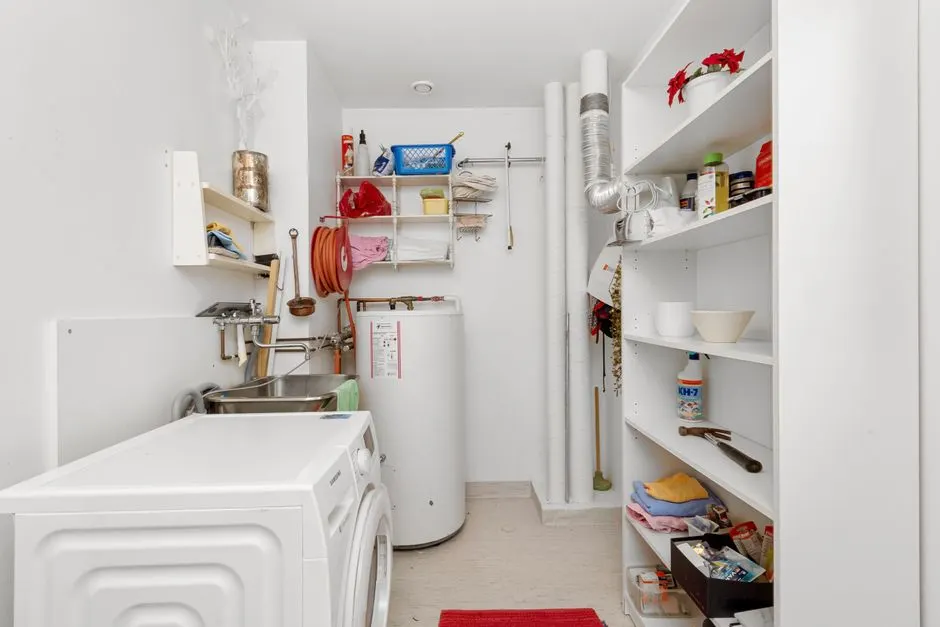
Washer, water heater, and utility sink leaks often spread beneath stored items before you notice them. We extract the water, check nearby drywall and flooring, and set drying equipment where needed. Harrisburg homeowners get a focused cleanup that addresses the leak area rather than just the visible puddle.

View Details
Basement Water Removal in Harrisburg
Service · #1

Basement Water Removal in Harrisburg


Basement Water Removal in Harrisburg helps limit damage when storms, plumbing failures, or rising groundwater leave standing water below grade. Pennsylvania Basement Water Removal Pros serves homeowners across Midtown, Allison Hill, and nearby neighborhoods with a measured response suited to older rowhouses and newer homes alike. We assess the source, remove water, and plan drying around the basement's materials, access, and ventilation.

Assessing Water And Access

Technicians inspect water depth, entry points, electrical risks, and affected finishes before selecting extraction equipment. In narrow Midtown rowhouse basements, hose routing and stair access matter as much as pump capacity. Our assessment identifies salvageable belongings and areas needing separate treatment, creating a practical sequence for removal without spreading moisture into adjoining rooms.

Extraction For Local Homes

For basement water removal in Harrisburg, Pennsylvania, crews match truck-mounted or portable extraction tools to the amount and location of water. Older stone foundations around Allison Hill may have uneven floors and tight corners, while finished basements require careful work around flooring and stored items. We remove pooled water and document remaining damp areas for targeted drying.

Drying And Moisture Checks

Once standing water is gone, air movers and dehumidifiers help reduce moisture in framing, masonry, and flooring. Harrisburg's humid summer weather can slow drying, so readings guide equipment placement and duration rather than guesswork. We recheck affected surfaces and explain any materials that may need removal, helping owners make informed decisions before repairs begin.

  • Standing-water extraction matched to basement layout and water depth
  • Moisture readings recorded across floors, walls, and framing
  • Belongings moved from wet areas and separated for assessment
  • Drying equipment positioned with follow-up moisture checks

Basement Flood Cleanup in Harrisburg


Basement Flood Cleanup in Harrisburg addresses muddy water, wet belongings, and lingering moisture after a sudden flood. From homes near the Susquehanna River to established blocks in Camp Curtin, crews adapt cleanup to the source and the building's construction. Pennsylvania Basement Water Removal Pros removes debris, cleans affected surfaces, and organizes drying so residents can understand what is recoverable and what needs further attention.

  1. 01

    Removing Flood Debris Safely

    Floodwater can carry soil, leaves, and other debris into basement storage areas, especially after intense Central Pennsylvania rainfall. Our crew clears loose material before cleaning, while protecting stairways and adjacent living spaces. For flooded basement cleanup in Harrisburg, the team distinguishes ordinary storm residue from water that may require additional sanitation steps, then explains the process before work proceeds.

  2. 02

    Cleaning Walls And Contents

    Cleanup covers accessible hard surfaces, affected storage items, and the routes water traveled. In Camp Curtin's older homes, painted masonry and wood shelving may react differently to moisture, so we select compatible methods and assess porous materials individually. Items are sorted for cleaning, drying, or disposal, with attention to reducing cross-contamination between wet and unaffected belongings.

  3. 03

    Preparing For Complete Drying

    After visible dirt and water are removed, drying equipment supports the next phase of recovery. Humid weather and limited ventilation in many Harrisburg basements can leave moisture behind even when surfaces look dry. We monitor key locations, note remaining concerns, and coordinate cleanup findings with any needed restoration work, giving property owners a clearer path toward a usable space.

  • Loose flood debris collected and removed from basement areas
  • Hard surfaces cleaned using methods appropriate to material
  • Stored contents sorted for cleaning, drying, or disposal
  • Cleanup observations documented for the next restoration steps
Basement Flood Cleanup in Harrisburg

02 / 10

Service

5+ YEARS · HARRISBURG

Emergency Basement Water Extraction Harrisburg

Emergency Basement Water Extraction in Harrisburg prioritizes fast removal when water is actively threatening a home's contents or finishes. Pennsylvania Basement Water Removal Pros responds to urgent calls throughout neighborhoods such as Uptown and South Harrisburg, where heavy rain or a failed line can quickly overwhelm basement floors. Crews first identify immediate hazards, then begin extraction and outline the next steps for drying and monitoring.

Rapid Arrival And Triage

On arrival, technicians check access, water depth, electrical hazards, and whether the source is still flowing. This rapid triage helps direct equipment to the most affected areas and prevents avoidable exposure. For emergency basement water removal in Harrisburg, Pennsylvania, clear communication matters: the crew explains what can begin immediately and which utility or plumbing issue needs attention first.

High Capacity Water Removal

Portable pumps and extraction tools are selected according to the flood volume, floor layout, and available access. In South Harrisburg basements with tight stairwells, equipment placement is planned to avoid blocking safe exit routes. Crews remove pooled water, revisit low spots, and keep homeowners informed as levels fall, especially when rain continues or drainage remains uncertain.

Stabilizing The Wet Basement

Extraction is followed by steps that help limit ongoing moisture damage, including initial air movement and moisture checks. Older foundations in Uptown can retain dampness in masonry after surface water is removed. Technicians identify wet materials and recommend further drying or removal where appropriate, so urgent pumping is connected to a realistic recovery plan rather than treated as the entire solution.

  • Urgent site assessment for water depth, access, and hazards
  • Pumping and extraction equipment selected for flood volume
  • Low spots checked after initial water removal
  • Initial moisture readings and drying recommendations provided
Basement Flood Damage Restoration in Harrisburg

Basement Flood Damage Restoration Harrisburg


Basement Flood Damage Restoration in Harrisburg helps move a property from initial cleanup toward a safer, drier condition after water intrusion. Pennsylvania Basement Water Removal Pros evaluates wet materials, documents affected areas, and coordinates removal and drying for homes in places such as Bellevue Park and Olde Uptown. Because local housing ranges from historic masonry to finished basements, restoration steps are based on observed damage, not a one-size-fits-all checklist.

Affected materials mapped and photographed before repair decisions

Promise

“A detailed inspection traces waterlines, affected materials, and moisture migration behind accessible finishes. In historic Harrisburg homes, stone or brick foundation walls can hold moisture differently from modern f…”

— Harrisburg customer
Mapping Damage Before Repairs +

A detailed inspection traces waterlines, affected materials, and moisture migration behind accessible finishes. In historic Harrisburg homes, stone or brick foundation walls can hold moisture differently from modern framed partitions. We document what is wet, identify materials that may not be salvageable, and explain how those findings inform restoration decisions before cosmetic repairs conceal unresolved dampness.

Drying Structure And Materials +

A professional basement water removal company serving Harrisburg can pair extraction with a structured drying plan for floors, framing, and masonry. Equipment placement is adjusted as moisture readings change, especially in closed-off rooms or finished spaces. Our team records progress and flags areas needing further attention, helping owners understand when drying is advancing and when material removal may be appropriate.

Coordinating The Recovery +

Restoration planning considers the water source, the home's age, and the scope of affected finishes. Bellevue Park properties may have different access and material needs from compact Olde Uptown rowhouses, so we communicate practical sequencing for cleanup, drying, and repairs. Clear documentation can also help homeowners organize conversations with contractors or insurers as they decide how to return the basement to service.

  • Affected materials mapped and photographed before repair decisions
  • Moisture readings tracked across structural and finished areas
  • Drying equipment adjusted as conditions change
  • Restoration findings summarized for homeowner and repair coordination
Sump Pump Failure Cleanup in Harrisburg
Service · #5

Sump Pump Failure Cleanup in Harrisburg


Sump Pump Failure Cleanup in Harrisburg addresses water that collects when a pump stops, loses power, or cannot keep pace with incoming groundwater. Homes in Linglestown and lower-lying parts of the city can face added pressure during wet spring weather and heavy storms. Pennsylvania Basement Water Removal Pros removes standing water, checks the sump area, and helps owners understand immediate cleanup needs while a plumber or electrician addresses the failed system.

Checking The Sump Area

The crew inspects the basin, nearby floor, discharge path, and visible signs of continued seepage before pumping begins. A failed float, blocked outlet, or power interruption can each leave water behind, though diagnosis of the pump itself may require a specialist. In Linglestown homes, we also note basement layout and access so extraction can proceed without disturbing the system unnecessarily.

Removing Collected Basement Water

When the pit overflows, water can spread across storage areas and finished rooms. Our team uses extraction tools suited to the amount present and checks low points that often retain shallow pools. With sump pump failure cleanup in Harrisburg, prompt water removal is paired with practical precautions while the pump remains out of service, particularly if more rain is expected.

Drying After Pump Failure

After extraction, moisture checks help show whether water reached wall bases, carpet, or stored materials. Harrisburg's spring downpours can recur before a damaged system is repaired, so we explain which areas need continued observation. Drying equipment is positioned to support affected materials, and findings are shared with the homeowner so cleanup and pump repair can be coordinated.

  • Sump basin and surrounding floor inspected for overflow
  • Standing water extracted from affected basement zones
  • Wet contents separated for drying or disposal decisions
  • Moisture conditions recorded pending pump repair

Sewer Backup Cleanup in Harrisburg


Sewer Backup Cleanup in Harrisburg requires careful handling because contaminated water can affect floors, stored goods, and household surfaces. Pennsylvania Basement Water Removal Pros serves homes across Midtown, Shipoke, and other city neighborhoods, following controlled cleanup practices suited to the affected area. The team identifies the extent of intrusion, removes contaminated water and materials as appropriate, and helps residents understand sanitation and drying priorities before the basement is used again.

  1. 01

    Containment And Initial Assessment

    Technicians establish the affected zone, note the apparent backup path, and limit movement between contaminated and clean areas. In older Shipoke properties, basement access may be narrow, making a planned route important for equipment and debris removal. The assessment records impacted surfaces and belongings and helps determine what requires specialized cleaning, removal, or referral for plumbing evaluation.

  2. 02

    Removing Contaminated Materials

    Cleanup begins with controlled removal of contaminated water and unsalvageable porous materials, following conditions at the site. Basement flood cleanup and drying in Harrisburg may involve separating wet contents from surfaces that can be cleaned and disinfected. The crew protects unaffected rooms, handles waste carefully, and communicates which materials should remain undisturbed until sanitation work is complete.

  3. 03

    Sanitizing And Monitoring Areas

    Hard, affected surfaces are cleaned and treated with methods appropriate to the material and contamination. In Midtown basements, unfinished masonry and finished partitions may need different approaches, so technicians assess each area rather than applying a single product everywhere. Follow-up moisture checks support drying, while the homeowner receives guidance about continued access and any plumbing issue that needs separate repair.

  • Affected zone identified and clean pathways maintained
  • Contaminated water and unsalvageable porous materials removed
  • Cleanable hard surfaces treated with suitable sanitation methods
  • Cleanup and moisture findings communicated for follow-up
Sewer Backup Cleanup in Harrisburg

06 / 10

Service

5+ YEARS · HARRISBURG

Storm And Heavy Rain Flood Cleanup Harrisburg

Storm and Heavy Rain Flood Cleanup in Harrisburg helps homeowners address water pushed into basements by cloudbursts, saturated ground, or overwhelmed drainage. From Allison Hill to neighborhoods near the riverfront, Central Pennsylvania storms can send runoff through window wells and foundation openings. Pennsylvania Basement Water Removal Pros removes water and debris, checks vulnerable areas, and adapts cleanup to each home's construction and the weather conditions affecting the property.

Tracing Stormwater Entry

The first step is to identify visible entry points, waterlines, and areas where runoff collected. Crews inspect window wells, foundation edges, and floor drains without assuming that every wet basement has the same cause. For 24/7 flooded basement cleanup near Harrisburg, Pennsylvania, an early assessment helps prioritize active water and guide the most useful extraction route.

Extracting Rainwater And Mud

Stormwater may carry soil and outdoor debris into basement rooms, so extraction is followed by careful debris removal. In Allison Hill, older foundations and below-grade openings can create different challenges from newer construction near the riverfront. Equipment is selected for water depth and access, while wet belongings are separated to make cleaning and drying more manageable.

Reducing Recurring Moisture

Once pooled water is removed, technicians check damp wall bases and flooring that may continue releasing moisture. Harrisburg's humid summers can extend drying time after a major storm, especially when a basement has limited airflow. We document conditions, recommend suitable drying steps, and point out visible drainage concerns for the homeowner to address after immediate cleanup.

  • Stormwater entry points and visible waterlines inspected
  • Mud, leaves, and pooled water removed from basement floors
  • Wet belongings sorted away from unaffected household contents
  • Moisture readings and visible drainage concerns documented
Groundwater Seepage Cleanup in Harrisburg

Groundwater Seepage Cleanup in Harrisburg


Groundwater Seepage Cleanup in Harrisburg tackles water that slowly enters through foundation walls, floor joints, or porous masonry. Seasonal rain and snowmelt can raise soil moisture around homes in Midtown and Bellevue Park, leaving damp patches or recurring shallow pools. Pennsylvania Basement Water Removal Pros assesses the affected surfaces, removes collected water, and helps owners distinguish active seepage from moisture left behind by an earlier leak.

Seepage patterns and damp foundation areas mapped

Promise

“Technicians look for damp lines, mineral deposits, soft materials, and water collecting near foundation joints. Patterns can offer clues about where moisture enters, though hidden conditions may require a qualified co…”

— Harrisburg customer
Finding Seepage Patterns +

Technicians look for damp lines, mineral deposits, soft materials, and water collecting near foundation joints. Patterns can offer clues about where moisture enters, though hidden conditions may require a qualified contractor's inspection. Across Midtown's older housing stock, basement masonry varies considerably, so we record affected locations and water levels before choosing cleanup and drying methods.

Removing Water From Floors +

For water removal from a flooded basement in Harrisburg, Pennsylvania, extraction is adapted to shallow seepage or deeper accumulation. Portable equipment can reach tight areas beside utility fixtures and storage, while care is taken around electrical systems. Crews remove visible water, check floor edges, and identify damp contents that should be elevated, moved, or assessed separately.

Managing Residual Dampness +

After extraction, drying equipment supports moisture reduction in masonry, framing, and stored materials. Bellevue Park basements may have limited air circulation, making follow-up readings useful even when the floor appears dry. We explain the difference between cleanup and long-term water management, document ongoing damp areas, and recommend that persistent entry points receive appropriate building or drainage evaluation.

  • Seepage patterns and damp foundation areas mapped
  • Shallow water extracted from floors and utility corners
  • Affected contents elevated or separated for assessment
  • Residual moisture readings recorded for follow-up planning
Burst Pipe and Plumbing Leak Cleanup in Harrisburg
Service · #9

Burst Pipe And Plumbing Leak Cleanup Harrisburg


Burst Pipe and Plumbing Leak Cleanup in Harrisburg limits the spread of water after a supply line, drain, or fixture failure affects a basement. Cold Pennsylvania winters can expose vulnerable pipes in older homes across Camp Curtin and Uptown, while hidden plumbing leaks may go unnoticed until flooring becomes wet. Pennsylvania Basement Water Removal Pros removes pooled water, assesses affected materials, and coordinates cleanup around the repair of the plumbing source.

Securing The Affected Area

Before extraction, the team confirms whether water is still entering and advises the homeowner to contact a plumber or shut off the appropriate supply when safe. Technicians note electrical concerns, wet pathways, and the extent of visible spread. In Camp Curtin basements, older utility layouts can make it important to keep access clear for both cleanup crews and repair professionals.

Extracting Pipe Leak Water

Once the source is controlled, crews remove water from floors, storage areas, and accessible low points. For affordable basement water extraction in Harrisburg, Pennsylvania, the scope is based on actual affected areas and the materials involved, not unnecessary equipment. Uptown's compact basements may call for portable tools and a planned route to move equipment without carrying water into dry rooms.

Drying Walls And Flooring

Water from a burst pipe can travel beneath flooring or into wall cavities, even when only a small pool is visible. Technicians use moisture checks to identify where drying is needed and position air movers accordingly. We share observations with the homeowner and repair contractor, helping keep plumbing repairs, material decisions, and drying progress aligned.

  • Visible water spread and plumbing-source status documented
  • Water extracted from floors, storage zones, and low points
  • Moisture checks completed around affected walls and flooring
  • Drying observations shared with homeowner and repair contractor

Appliance Leak Cleanup in Harrisburg


Appliance Leak Cleanup in Harrisburg addresses basement water from a failed washing machine, water heater, freezer, or utility sink. In homes throughout Uptown and South Harrisburg, appliance leaks can soak flooring and stored belongings before the source is noticed. Pennsylvania Basement Water Removal Pros removes standing water, checks nearby materials, and helps residents organize drying after the appliance has been disconnected or repaired by a qualified service provider.

  1. 01

    Locating The Appliance Spill

    The crew checks the appliance area, nearby supply and drain connections, and the direction water traveled across the basement floor. A slow leak may have reached shelving or carpet beyond the immediate utility space. In South Harrisburg homes, we assess tight laundry corners and shared storage areas carefully so cleanup addresses both visible pooling and less obvious dampness.

  2. 02

    Extracting Water From Floors

    Equipment selection depends on whether water is limited to a hard floor or has reached carpet and padding. Technicians extract standing water and check beneath accessible edges, taking care around electrical connections and appliances awaiting repair. This focused approach helps contain the work area and gives homeowners a clearer view of materials that may need additional drying or removal.

  3. 03

    Drying Utility And Storage Areas

    After water removal, air movement and dehumidification support drying around appliance bases, wall edges, and nearby stored items. Uptown basements may have older finishes that hold moisture, so readings guide follow-up rather than appearance alone. We separate affected contents, document conditions, and explain when the appliance can be returned to service after its source has been repaired.

  • Appliance area and water travel path inspected
  • Standing water extracted from floors and utility corners
  • Nearby stored items separated for drying assessment
  • Moisture readings taken around appliance bases and walls
Appliance Leak Cleanup in Harrisburg

10 / 10

Service

Residential Basement Water Removal

Residential Basement Water Removal in Harrisburg

Harrisburg homes include older urban houses, row-style properties, apartments, and renovated basements used as laundry rooms, storage, or living space. A small leak can travel beneath boxes and along foundation walls before it reaches the open floor. We remove water from a flooded basement in Harrisburg, Pennsylvania, then inspect the lower walls, flooring, and nearby contents for retained moisture. If your basement is finished, we pay particular attention to drywall and insulation that may have absorbed water. Tell us whether the source is a sump pump, plumbing line, appliance, or stormwater so we can prepare for the actual job.

  • Home basement water extraction — We pump and extract water from residential basements across Harrisburg, then check affected flooring and wall edges. If the entry is narrow or stairs are steep, we choose equipment that can be moved safely through the home. You get a clear explanation of which areas are wet and what needs drying.
  • Laundry and utility leak cleanup — A leaking washer, water heater, or utility connection can soak the floor before you see it. We remove water, check behind nearby appliances and stored items, and measure damp trim or drywall. In Harrisburg homes, this focused inspection helps find water beyond the visible puddle.
  • Sump pump overflow response — When a sump pump stops working, we remove accumulated water and inspect the pit and accessible discharge path. We also check whether water has spread into finished areas or storage. Our cleanup handles the immediate flooding while identifying pump or drainage issues that need a separate repair.
  • Basement drying and material checks — After extraction, we use moisture readings to guide air movement and dehumidification. Harrisburg homeowners can see which lower walls, floors, or contents remain damp and which areas are drying. If material is too damaged to clean or dry, we explain the next practical step.
Commercial Basement Water Removal

Commercial Basement Water Removal in Harrisburg

Harrisburg businesses may rely on basement mechanical rooms, storage areas, service corridors, and lower-level customer space. A flooded utility area can interrupt building operations even when the visible water covers only part of the floor. We coordinate access with the person responsible for the property, identify affected equipment and materials, and remove water in a sequence that keeps clear routes available where possible. For a professional basement water removal company serving Harrisburg, commercial managers need a crew that can communicate the work area, equipment placement, and drying requirements plainly. We handle emergency extraction and cleanup for a range of business properties.

Government officesRetail businessesRestaurantsProfessional officesMulti-unit housing

Common Harrisburg Basement Flood Problems

Harrisburg basement calls often involve a combination of weather, building age, and equipment condition rather than a single citywide cause. Heavy rain and snowmelt can increase runoff, while Susquehanna River flood exposure is relevant to riverfront and low-lying neighborhood concerns. Older urban housing stock may have aging plumbing, foundation joints, or limited drainage access. Pennsylvania basement water removal near Harrisburg starts by finding the actual source at your property, whether it is groundwater seepage, a sewer backup, or an appliance leak.

Stormwater intrusion through foundation joints and low openings

Heavy rain can push runoff toward foundation openings, window wells, or floor-level entry points. Older urban homes may have settled joints or aging seals. The same rain event can affect properties differently, so the entry route needs to be checked at each address.

Sump pump failure during prolonged rain or snowmelt

A pump can fail from a power interruption, worn component, stuck float, or discharge obstruction just when inflow increases. Water collects at the lowest point and may spread across storage or finished flooring before the homeowner notices.

Groundwater seepage and persistent damp foundation walls

Hydrostatic pressure and saturated ground can push moisture through cracks, joints, and porous masonry. After wet weather, a wall may remain damp even without a large pool. Stored items against the foundation can hide the first signs of seepage.

Burst pipe leaks and appliance water in older basements

Aging connections, frozen sections, and worn appliance hoses can release water into utility spaces. Tight basement layouts and stored belongings can hide a leak until water has spread beneath flooring or soaked lower wall materials.

When to Call for Basement Water Removal

Call for Basement Water Removal in Harrisburg when you find standing water, active seepage, a failed sump system, or wet building materials that keep spreading. A musty smell after a storm can point to dampness hidden behind stored items or along a foundation wall. If you need affordable basement water extraction in Harrisburg, Pennsylvania, describe the water source and approximate area when you call; an early extraction can reduce how much material stays wet. Do not walk through water near electrical equipment or a panel.

  • Waterline or puddles after heavy rain

    A fresh waterline on a foundation wall or pooling at the floor edge shows that water entered and may still be moving through the same route. In Harrisburg, heavy rain and snowmelt can increase runoff. Call promptly if the puddle grows or reaches stored items, finished flooring, or electrical equipment.

  • Sump pump runs but water keeps rising

    A pump that cycles continuously without lowering the pit level may be overwhelmed, blocked, or unable to discharge properly. Water can spread beyond the pit before the failure is obvious. Keep clear of unsafe electrical conditions and arrange extraction while the pump or discharge problem is assessed.

  • Damp drywall or swollen baseboards

    Soft drywall, lifted paint, and swollen trim indicate water has moved beyond the visible floor. Porous materials can hold moisture after a puddle is gone, creating conditions for deterioration and mold growth after flooding. A moisture check helps decide whether drying is enough or damaged material needs removal.

  • Sewer odor or dirty water at floor drain

    A strong sewage odor or dark water backing through a floor drain can indicate a sewer backup. Treat the area as contaminated and keep children and pets away. Cleanup requires controlled extraction and appropriate disinfectants rather than household mopping or a standard wet vacuum.

  • Water beneath a heater or washer

    A puddle under a water heater or laundry appliance can come from a failing connection, drain, or tank. Water often travels under stored items and along the floor before it becomes visible. Stop the source if safe, then have the affected area extracted and checked for hidden moisture.

Navigating Harrisburg Landmarks

Harrisburg addresses can sit on busy downtown blocks, near the riverfront, or in residential streets where the best unloading point is not obvious from a map. We use well-known landmarks as orientation references, then confirm the service address and entry instructions with you. This helps our crew plan a practical route for pumps, hoses, and drying equipment without suggesting that a landmark itself causes basement flooding.

Pennsylvania State Capitol

The Capitol is a clear reference point for locating central Harrisburg streets. We use the address you provide to distinguish the actual property entrance and equipment access from the landmark's public grounds.

City Island

City Island is a recognizable Susquehanna River landmark connected to the city by the Walnut Street Bridge. It offers geographic orientation for riverfront directions, while the service address determines the route to a customer's basement.

Riverfront Park

Riverfront Park follows the Susquehanna shoreline through central Harrisburg and is a useful orientation reference for nearby streets. We confirm the property's exact location before choosing an unloading point or equipment path.

Coverage across Harrisburg & Dauphin County

171011710217103171041712017110171051710817121171221712317124171251712617127171281712917130

Plus surrounding Dauphin County neighborhoods, with same-day routing on most appointments.

Harrisburg Seasons and Basement Water

As November turns toward winter, Harrisburg homeowners should watch for frozen plumbing, thaw cycles, and sump systems that must keep working through changing weather. The rest of the year brings different risks: spring snowmelt and rain, summer downpours, and fall leaves that can obstruct drainage paths. 24/7 flooded basement cleanup near Harrisburg, Pennsylvania, is most useful when you describe the source and whether water is still entering. A seasonal check of pumps, discharge lines, and foundation areas can help catch trouble before the next storm.

Spring

Snowmelt and repeated rain can saturate the ground and increase runoff toward foundations. A sump pump may run longer than usual, while seepage can appear at floor joints or low wall sections. Check basements after storms, especially where stored items hide the perimeter.

Tip: Test the sump pump before prolonged wet weather, keep its discharge route clear, and move boxes off the floor. If water appears, note its depth and source before calling.

Summer

Strong thunderstorms can drop heavy rain in a short period and send water through low openings or an overwhelmed drainage route. Humid air can also slow drying after a basement flood, so damp materials may remain wet longer than the floor looks.

Tip: Keep window wells and exterior drains clear, and check the basement after severe rain. Run a dehumidifier only when conditions and the equipment are appropriate; call for extraction if water pools.

Fall

Leaves and debris can obstruct outdoor drainage paths, while late-season storms add water around foundations. A small leak around a utility line or window can become more obvious as rainfall continues and stored items conceal the wet edge.

Tip: Clear accessible drain covers and inspect the basement perimeter before sustained rain. Move valuables above floor level and address slow seepage before colder weather complicates repairs.

Winter

Freezing conditions put exposed plumbing and poorly insulated basement lines at risk. A burst pipe can release water quickly, while a later thaw can increase seepage or runoff. Power interruptions can also stop sump pumps during a storm.

Tip: Keep basement temperatures steady, know where the main water shutoff is, and avoid using a torch on frozen pipes. If a line breaks, shut off water if safe and call for extraction.

Basement Water Removal in Harrisburg FAQs

Real answers from our team for the questions we hear most often before a job starts.

How much does basement water removal cost in Harrisburg, Pennsylvania?
Small clean-water extraction jobs often run about $300-$900, while extensive flooding and drying can cost $1,000-$5,000 or more. The price depends on water depth, affected area, contamination, access, and how many materials need drying or removal. For affordable basement water extraction in Harrisburg, Pennsylvania, tell us your ZIP code, source, and approximate water depth when you call. We explain the work and cost before proceeding.
Who provides emergency basement water extraction in Harrisburg?
Pennsylvania Basement Water Removal Pros provides emergency basement water extraction in Harrisburg for homes and commercial properties. Call +18668968166 and describe the water source, depth, and any electrical concerns. Our crew selects pumps or extraction equipment based on the conditions, then checks affected materials for moisture. If water is near electrical equipment, stay out of the area and tell us before entering.
How quickly can a flooded basement in Harrisburg be pumped out?
A small basement with a few inches of water may take roughly 1-3 hours to pump and extract, while larger or obstructed spaces can take longer. The total time depends on water volume, access, and whether water is still entering. Pumping removes bulk water; drying damp building materials can take 2-5 days or more. We check moisture rather than treating a clear floor as proof the basement is dry.
Is 24/7 basement flood cleanup available in Harrisburg, Pennsylvania?
Yes, emergency calls for 24/7 flooded basement cleanup near Harrisburg, Pennsylvania, can be made any time. Call +18668968166 and tell us whether water is rising, whether the source is active, and if power is affected. Keep people away from standing water near electrical equipment. Once the area is safe to access, we remove water and begin checking the affected materials.
What happens after water is removed from my Harrisburg basement?
After extraction, we inspect damp flooring, lower walls, and nearby contents, then use moisture readings to guide drying. Air movers and commercial dehumidifiers may be placed where readings show retained moisture. If sewage, burst pipes, or damaged porous materials are involved, cleanup steps change accordingly. You receive a clear explanation of what was wet, what was cleaned, and what needs follow-up.

Call for Basement Water Removal in Harrisburg

Water on your basement floor needs a clear first move: stop the source if safe, stay out of electrically unsafe areas, and call for extraction. Pennsylvania Basement Water Removal Pros serves Harrisburg homes and businesses with 24/7 emergency calls. Tell us your ZIP code, water depth, and what you think caused it. Call +18668968166 and we will help you take the next step.

Call Now Send a Message

Contact Our Referral Line

Call Pennsylvania Basement Water Removal Pros at +1 866-896-8166 to describe the flooding and request a connection with an independent local company. Our phone line accepts urgent requests around the clock. Have your municipality, water source, approximate depth, and any safety concerns ready; those details help us route your request across Pennsylvania.

Or call us right now at +18668968166 — we answer.

Pennsylvania Basement Water Removal Pros


  • Phone

    +18668968166
  • Address

    Pennsylvania

  • Hours

    Mon–Fri: 7AM – 7PM
    Sat: 8AM – 4PM
    Sun: Emergency Only
    24/7 Emergency Available

Call +18668968166 Get Quote
Call Quote