
Logo
Get Estimate

Emergency Basement Water Extraction in Pennsylvania

Get standing water out before damage spreads


Emergency Basement Water Extraction in Pennsylvania gets standing water out of your basement and starts the drying process before damage spreads. If a sump pump fails, a pipe bursts, or stormwater pushes through your foundation, our crew responds with extraction equipment and a clear plan. We provide emergency basement water removal in Pennsylvania for homeowners and property managers facing an active leak, soaked flooring, or water around electrical equipment.

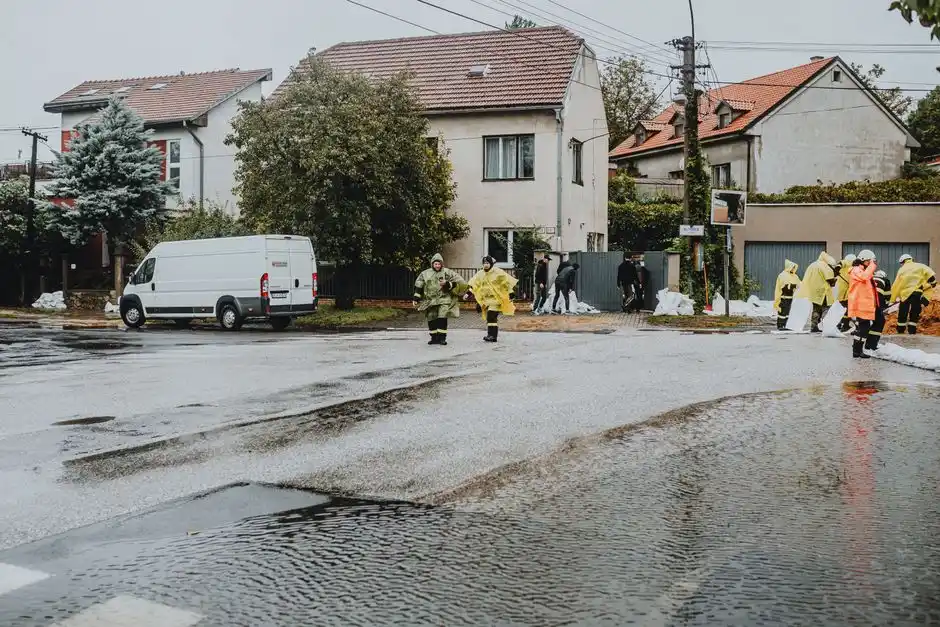
Emergency response team members handle city flooding, deploying sandbags and wearing gear.
Licensed Licensed & Bonded
Fully Insured Insured & Bonded
24/7 Emergency Same-Day Response
Warranty Backed Workmanship Guaranteed

What Emergency Extraction Includes

Emergency extraction covers assessment, safe access planning, removal of standing water, and initial moisture checks. We also explain what should happen next, including drying, cleaning, or repairs related to the source. Structural repairs, plumbing replacement, and extensive reconstruction are separate work, but we identify the need for them during the response so you can make informed decisions.

Water Source Assessment

We inspect where water entered and whether it is still flowing, then classify the likely source as a plumbing leak, groundwater, stormwater, or sewage. This determines the equipment, protective measures, cleaning approach, and urgency for the rest of the job.

Standing Water Removal

We use pumps and extraction equipment suited to the water depth, floor surface, and route out of the basement. After pooled water is removed, we address accessible residual water so it does not remain trapped around floor edges or stored items.

Moisture Mapping

We check affected flooring, walls, and accessible structural materials with moisture meters, comparing wet areas with reference points. The readings help us locate moisture that is not visible and guide equipment placement during the drying phase.

Initial Drying Setup

We position air movers and dehumidification equipment based on the materials and affected area. You receive practical instructions for keeping access clear and protecting unaffected belongings while drying continues and readings are monitored.

Cleanup Recommendations

We identify surfaces needing cleaning and materials that may require removal, such as saturated insulation or damaged drywall. If water is contaminated, we explain the additional sanitation work needed and apply cleaning products according to label directions.

Emergency Basement Water Extraction in Pennsylvania


Emergency Basement Water Extraction in Pennsylvania is an emergency flood response service that removes standing water and begins drying after a basement leak or flood. We identify the water source, check for electrical and contamination hazards, then select pumps or extraction equipment for the depth and type of water. After pumping, we measure moisture in floors, walls, and framing so wet materials do not stay hidden behind finished surfaces. Extraction is the urgent first phase; cleaning, drying, and repairs follow according to what your basement needs.

Pennsylvania homes face winter pipe breaks, spring thaw, summer cloudbursts, and fall storms that overwhelm foundation drainage. Sump pump failure, sewer backup, groundwater seepage, and appliance leaks all call for different handling. Our Pennsylvania emergency basement water extraction starts by identifying whether the water is clean, gray, or contaminated, then matching removal and sanitation steps to the source. If you are searching for 24-hour emergency basement water extraction in Pennsylvania, call while water is still accessible; saturated drywall and insulation become harder to salvage as exposure continues.

What Happens During Service

Emergency Basement Water Extraction in Pennsylvania follows a practical sequence: make the area safe, stop or control the source, remove water, and start drying. We explain each stage as we work, so you can see what is happening in your home rather than guess at the next step.

01

Schedule

Call or book online — a real human picks up and confirms a 2-hour arrival window.

02

Diagnose

Licensed tech inspects on-site, then walks you through the cause and your options.

03

Fix

The job is completed to code and done right the first time — no shortcuts, no surprises.

04

Guarantee

Every job backed by a written workmanship warranty — and we stand behind it.

Equipment and Extraction Methods

Tools & Equipment

Submersible water pumps

We use submersible water pumps to move deeper pools quickly, especially after sump pump failure or stormwater intrusion. Pump selection reflects water depth, debris, and the available discharge route.

Truck-mounted extraction units

Truck-mounted extraction units remove water from larger or difficult-to-access basement areas. Their strong extraction supports rapid removal from broad floor sections after the initial pumping stage.

Moisture meters and thermal imaging cameras

Moisture meters measure dampness in accessible building materials, while thermal imaging cameras help locate temperature patterns that warrant closer moisture checks. We use readings to guide drying, not as a substitute for inspection.

Dri-Eaz dehumidification equipment

Dri-Eaz equipment supports controlled drying by removing moisture from basement air. We pair dehumidification with air movement and adjust placement to suit the affected room and materials.

Wet/dry vacuums

Wet/dry vacuums collect residual water around floor edges, utility areas, and other spots pumps cannot clear completely. They are used after access and electrical safety have been assessed.

Methods & Standards

Water source and category assessment

We identify whether water came from a clean supply line, an appliance, stormwater, groundwater, or a sewer. This classification guides protective measures, extraction equipment, cleanup products, and decisions about affected porous materials. We do not treat a sewer backup like a clean pipe leak.

Measured moisture mapping

We take readings in affected areas and compare them with less-affected reference points. This helps locate water beyond the visible puddle and gives us a basis for equipment placement and follow-up checks. If readings stay elevated, we investigate the material rather than assuming surface drying is enough.

Controlled structural drying

We combine air movement and dehumidification to encourage moisture to leave wet materials and the basement air. Equipment placement depends on room size, material type, and the extent of water migration. We monitor progress with readings and adjust the setup when the conditions call for it.

Label-compliant antimicrobial use

When cleaning requires an antimicrobial product, we follow its EPA Registered Antimicrobial Pesticide Label Compliance requirements, including application directions and contact time. The product choice and treatment area depend on the water source and affected surface; antimicrobial treatment does not replace removing contaminated or unsalvageable material.

When to Request Emergency Extraction

01

Water is rising after a sump pump failure during a night of steady rain.

What we do: We assess electrical safety and the water depth, then use a pump sized for the pooled water. After removing it, we check the sump basin and nearby materials, and start drying where moisture has spread. You can tell us whether the pump is silent, cycling, or discharging outside.

→ The rising water is removed, affected materials are identified, and you have a clear next step for restoring pump operation and drying the basement.

02

A water heater or washer line leaks while the household is away.

What we do: We identify the likely water source, extract the pooled water, and check nearby flooring, stored items, and wall edges. If the leak is still active, we focus on safe isolation and coordination with the repair. Our readings distinguish a wet surface from moisture that has moved beneath it.

→ The visible water is cleared and the affected area is mapped, helping you prioritize appliance repair, cleanup, and any needed material removal.

03

A floor drain backs up and leaves sewage across a basement utility area.

What we do: We isolate the contaminated area, remove standing sewage and debris, and clean surfaces using suitable sanitation procedures. Our team checks which porous contents or materials are affected and avoids spreading contamination into dry rooms. Tell us about odors and the route the water took.

→ Contaminated water and debris are removed in a controlled manner, with clear guidance on sanitation and what materials must be addressed before reuse.

04

Heavy rain pushes stormwater through a foundation wall or basement window well.

What we do: We extract water and sediment, inspect the wet perimeter, and check flooring and wall materials for moisture. We also document the entry area so you can distinguish a one-time storm breach from a recurring drainage problem. Drying equipment is positioned according to the affected materials.

→ Your basement is cleared of pooled water and the wet area is documented, giving you a basis for drying and follow-up foundation or drainage work.

How Extraction Works Across Pennsylvania

Emergency Basement Water Extraction in Pennsylvania has to account for sharp regional changes in weather, terrain, and building age. As November brings freezing nights, a small pipe leak can become a basement flood; winter freezes also stress exposed plumbing. Spring thaw and heavy summer storms bring groundwater and stormwater intrusion, while steep lots can direct runoff toward older foundations. We adapt equipment access and discharge planning to each property rather than assuming every basement is alike. In older communities, stone or brick foundation walls may absorb water differently from newer poured-concrete walls. Finished basements can hide moisture under flooring and behind drywall, so we check beyond the visible puddle. For emergency standing water removal from basements Pennsylvania homeowners call us to assess the source, extract water, and start measured drying. We also consider shared access in rentals and multi-unit buildings, where wet common areas must remain safely passable. Where repairs or construction work follow, we account for applicable Pennsylvania Home Improvement Contractor Registration requirements and coordinate the next step with you.

Neighborhoods We Serve

  • South Side

    Older foundations and tight basement access make careful hose routing important. We assess floor drains, utility equipment, and finished lower rooms before setting up extraction.

  • West End

    Sloped lots can move runoff toward lower foundation walls. We check the affected perimeter and distinguish storm entry from a plumbing leak before choosing the drying plan.

  • Downtown

    In multi-unit and mixed-use buildings, access and shared corridors matter during pumping. We keep the work area controlled and plan equipment placement around safe passage.

Local Conditions We Plan For

  • Freeze-thaw cycles stress older pipes and foundation joints.

    A frozen pipe can release water after temperatures rise, while thawing ground adds pressure around foundation walls. We check for an active plumbing source as well as seepage, because each requires a different follow-up.

  • Heavy rain overwhelms window wells and basement drainage.

    Water may enter at a low window, floor drain, or foundation joint, carrying soil and debris. We remove the water, inspect the entry area, and note whether drainage or exterior corrections are needed to reduce repeat flooding.

  • Older stone foundations and finished lower levels conceal moisture.

    Porous masonry can remain damp after surface water disappears, and finished walls can hide wet insulation. We take moisture readings in accessible areas and identify where additional inspection or material removal is needed.

Sump Pump Failure After Rain

Before

A sump pump stopped during a long period of rain, leaving roughly 3 inches of water across a 500-square-foot basement. Cardboard boxes were wet, the carpet edge was saturated, and water remained around the sump basin. The household could not tell whether the pump had failed or the discharge path was blocked.

After

We removed the standing water with a submersible pump, extracted the remaining floor water, and checked the carpet edge and lower wall. Moisture readings identified two wet sections that needed continued drying. The floor was clear of pooled water, and the owner had a defined follow-up for the sump system.

Maintenance: Test the sump pump by adding water to the basin and confirming that it cycles and discharges outside. Check the outlet and visible discharge piping seasonally, and keep the basin clear of debris.

Before

A supply pipe leaked behind a utility-room wall while the home was unoccupied. Water spread across about 120 square feet, soaked stored towels, and reached the edge of laminate flooring. The leak had been shut off, but the basement still smelled damp and the wall surface felt cool.

After

We extracted the pooled water, checked the floor and wall edge with moisture meters, and set drying equipment toward the affected materials. Readings revealed moisture beyond the visible stain, so the owner could address the wall section before replacing the flooring. The leak repair and drying plan were clearly separated.

Maintenance: After plumbing repairs, check nearby wall edges and flooring for renewed dampness. Keep stored items raised off the floor and look at exposed pipe joints during cold-weather checks.

Before

A storm drove water through a basement window well, leaving about 1 inch of water and soil residue in a finished room. A rug and several storage containers were wet, and water had tracked along the baseboard. The entry point was still visible, but the homeowner could not see how far moisture traveled.

After

We removed the water and sediment, checked the baseboard and adjacent wall, and started drying the affected section. The rug and containers were separated for evaluation, while moisture readings showed the wet area extended about 2 feet beyond the visible track. The room was left with a clear cleanup and repair sequence.

Maintenance: Keep the window well clear of leaves and debris, check the cover and drain before forecast heavy rain, and inspect the lower wall after storms. Recurring entry warrants drainage or foundation review.

Problems Solved by Rapid Extraction

An unattended basement flood can damage stored belongings, flooring, walls, and mechanical equipment. We remove standing water and address its source so you can move from emergency response to controlled drying. The sooner you call, the sooner we can determine what is wet and what needs protection.

Problem

A sump pump fails as rainwater rises across the basement floor.

Water can spread into stored belongings, reach finished walls, and continue rising if the pump or discharge line remains out of service.

Our Fix

We pump standing water, check the immediate sump area, and note whether the discharge path or check valve appears to be contributing. Our crew then measures wet materials and starts drying. If the pump itself needs replacement, we identify that next step rather than treating the flood as a one-time cleanup.

Problem

A frozen or burst pipe releases water into a finished basement.

Water can run beneath flooring and soak drywall before the leak is noticed, leaving hidden moisture after the visible puddle is gone.

Our Fix

We help you isolate the water source when it is safe, remove pooled water, and check adjacent floor and wall materials. Moisture readings guide drying and help identify areas where drywall or insulation may need removal. Once the plumbing repair is handled, we continue the water-damage response.

Problem

Sewer backup leaves foul water and debris around a floor drain.

Contaminated water can expose occupants to harmful material and spread residue onto porous flooring, stored items, and lower wall surfaces.

Our Fix

We treat a sewer backup as contaminated water, restrict access, remove water and debris, and clean affected surfaces using appropriate procedures. We identify porous materials that cannot be cleaned effectively and explain the sanitation and replacement steps needed before the basement is used again.

Problem

Groundwater seeps through a foundation after sustained rainfall.

Repeated seepage can keep the floor and lower walls damp, damage stored items, and increase the chance of mold growth after flooding.

Our Fix

We extract accumulated water, map moisture along the affected wall and floor, and look for a pattern that indicates recurring seepage. We dry the affected area and document where moisture remains. You can then address drainage or waterproofing concerns with clearer information about the entry point.

What Prompt Extraction Changes

What Prompt Extraction Changes

Removing water quickly protects more than the visible floor. We focus first on safe access, water removal, and a measured drying plan so you know what is wet, what can be saved, and what needs attention next.

  • Less Water Damage

    A few inches of water can soak carpet, baseboards, stored belongings, and the lower edge of drywall. We use submersible water pumps for deeper pools and extraction tools for surfaces, then document moisture readings in affected areas. Quick removal reduces the time materials remain saturated and helps limit secondary damage.

  • Safer Basement Access

    Floodwater near outlets, furnaces, or electrical panels creates hazards that should be assessed before anyone steps in. Our crew checks access conditions and isolates unsafe areas before pumping. You get a safer route through the basement and a practical plan for belongings, utilities, and the source of the water.

  • Targeted Drying

    Water can travel under flooring and into wall cavities after the visible puddle is gone. We use moisture meters to establish readings and place air movers and commercial dehumidifiers where they address the wet materials. That measured approach helps you avoid stopping work while hidden moisture remains.

  • Cleaner Recovery

    A sewer backup or contaminated stormwater requires more than pumping. We separate affected contents, remove debris, and apply suitable cleaning steps based on the water source. For urgent water extraction for a flooded Pennsylvania basement, calling promptly helps our team move from removal into cleanup without leaving contaminated residue in place.

Training and Work Standards

Licensed & Certified

  • IICRC Water Damage Restoration Technician — issued by Institute of Inspection, Cleaning and Restoration Certification
  • IICRC Applied Structural Drying — issued by Institute of Inspection, Cleaning and Restoration Certification
  • OSHA Hazard Communication Standard — issued by Occupational Safety and Health Administration
  • Pennsylvania Home Improvement Contractor Registration — issued by Pennsylvania Attorney General's Office

Verified Reviews

Customer feedback Not stated

A homeowner in Allentown described a failed sump pump and several inches of water after rain. The crew pumped the basement, checked moisture around the carpet edge, and explained what needed continued drying. The homeowner valued the clear steps and the attention to the source of the flood.

Customer feedback Not stated

A State College customer reported an overnight pipe leak in a utility room. The crew removed standing water and found dampness beyond the visible puddle with a moisture meter. The customer said the practical explanation made it easier to plan the plumbing repair and drying work.

Customer feedback Not stated

A property manager in Kingston described stormwater and soil entering a basement after heavy rain. The response included water removal, separation of affected contents, and a follow-up plan for drying. The manager appreciated that the cleanup addressed the stormwater source rather than treating it as a clean leak.

Field Knowledge That Matters

Basement flooding is not one-size-fits-all work. Our technicians assess the source, water category, building materials, and moisture migration before choosing a removal and drying method. Training relevant to water damage restoration and structural drying helps us make informed decisions about extraction, cleaning, and equipment placement. We also follow applicable safety practices, including the OSHA Hazard Communication Standard when handling cleaning products. We do not guess at hidden moisture: readings and visual checks guide the next step, whether your basement has a concrete floor, finished walls, or older foundation details.

  • We distinguish clean supply-line water from sewage and stormwater before selecting extraction, cleaning, and disposal procedures.
  • Moisture readings help us compare affected areas with dry reference points instead of relying on touch or appearance alone.
  • Our team applies water restoration principles associated with IICRC Water Damage Restoration Technician training.
  • We assess sump pump discharge piping, check valves, and drainage paths when equipment failure contributed to flooding.
  • We use product directions and EPA Registered Antimicrobial Pesticide Label Compliance when antimicrobial treatment is appropriate.
Get Started Today
Field Knowledge That Matters

Cities We Serve Across Pennsylvania

Our statewide coverage brings emergency extraction to homes and properties across varied terrain, housing types, and weather patterns. We prepare for everything from a burst pipe in a finished basement to stormwater in an older foundation. We provide 24/7 basement water extraction Pennsylvania residents can request when water is rising, standing, or spreading into stored belongings. The five communities below are part of a wider service area across Pennsylvania.

Emergency Extraction Questions

Real answers to the questions we hear most often from local homeowners and property managers.

When should I call for emergency basement water extraction in Pennsylvania?
Call as soon as water is actively entering, standing on the floor, or reaching stored items or utilities. If water is near electrical equipment, stay out and report the hazard. A fast call helps us assess the source, prepare the right pumps, and reduce the time materials remain wet. Sewer odors, a failed sump pump, or rapidly rising water require urgent attention.
Is 24/7 emergency basement water removal available?
Yes, our emergency response is available 24/7 for basement flooding across Pennsylvania. Call +18668968166 and describe the water source, depth, and whether it is still rising. We use those details to prepare for the situation, including a sump pump failure, burst pipe, or stormwater intrusion. Do not enter a flooded area if water is near electrical equipment.
How fast can a crew extract water from my basement?
A small basement with a few inches of water may take one to three hours to pump and extract. Larger spaces, sewage, blocked access, or continuing inflow add time, while structural drying often takes several days. We assess the area first, then explain the work sequence. For emergency basement water removal near me Pennsylvania searches, share your city and water depth when you call.
What should I do while waiting for emergency water extraction?
Stay out of standing water if it is near outlets, appliances, or the electrical panel, and do not run a wet vacuum in an unsafe area. If you can reach the shutoff without entering water, stop the leaking fixture or appliance. Move people and pets away, photograph visible damage from a safe spot, and tell our crew whether the water may contain sewage.

Related Basement Services

Basement Water Removal

For water that is no longer actively rising, this service continues removal and drying after the emergency pumping phase. We check wet flooring and wall edges, remove residual water, and track moisture so your basement does not look dry while hidden materials remain damp.

View Basement Water Removal

Basement Flood Cleanup

Once standing water is extracted, cleanup addresses sediment, affected contents, and contaminated surfaces. We tailor cleaning to the water source, then identify materials that cannot be safely restored. This step is especially important after stormwater or a sewer backup.

View Basement Flood Cleanup

Basement Flood Damage Restoration

Extraction stops the water from pooling; restoration returns the affected space to usable condition. We assess damaged drywall, insulation, trim, and flooring, then outline drying and repair priorities. Your plan reflects measured moisture and the actual condition of materials.

View Basement Flood Damage Restoration

Sump Pump Failure Cleanup

A failed sump pump can let groundwater rise quickly, especially during heavy rain or snowmelt. We pump the basement, inspect the immediate discharge setup, and help identify whether a failed pump, blocked line, or check valve issue contributed to the flooding.

View Sump Pump Failure Cleanup

Sewer Backup Cleanup

Sewage requires controlled removal and cleaning, not ordinary water pumping alone. We isolate affected areas, remove contaminated water and debris, and clean surfaces using appropriate procedures. Tell us about odors, floor drains, or backups when you call.

View Sewer Backup Cleanup

Storm and Heavy Rain Flood Cleanup

Heavy rain can overwhelm basement drainage and push water through foundation openings. We extract pooled water, check for sediment and wet materials, and begin drying. The inspection also helps distinguish a one-time storm entry from recurring groundwater seepage.

View Storm and Heavy Rain Flood Cleanup

Call for Emergency Basement Water Extraction

If water is covering your basement floor, call our 24/7 response line at +18668968166. Our team will ask about the source, depth, and immediate hazards, then help you take the next step. We follow applicable water-restoration and safety practices on every job.

Call Now Call for Help

Contact Our Referral Line

Call Pennsylvania Basement Water Removal Pros at +1 866-896-8166 to describe the flooding and request a connection with an independent local company. Our phone line accepts urgent requests around the clock. Have your municipality, water source, approximate depth, and any safety concerns ready; those details help us route your request across Pennsylvania.

Or call us right now at +18668968166 — we answer.

Pennsylvania Basement Water Removal Pros


  • Phone

    +18668968166
  • Address

    Pennsylvania

  • Hours

    Mon–Fri: 7AM – 7PM
    Sat: 8AM – 4PM
    Sun: Emergency Only
    24/7 Emergency Available

Call +18668968166 Get Quote
Call Quote