
Logo
Get Estimate

Basement Flood Cleanup in Pennsylvania

We remove standing water and protect your home


Basement Flood Cleanup in Pennsylvania gets standing water out, identifies wet building materials, and starts controlled drying before moisture spreads. We help homeowners and property managers dealing with stormwater intrusion, a failed sump pump, a burst pipe, or a sewer backup. Our crew documents affected areas, extracts water, and explains the next steps so you can move from a flooded room toward a clean, dry basement.

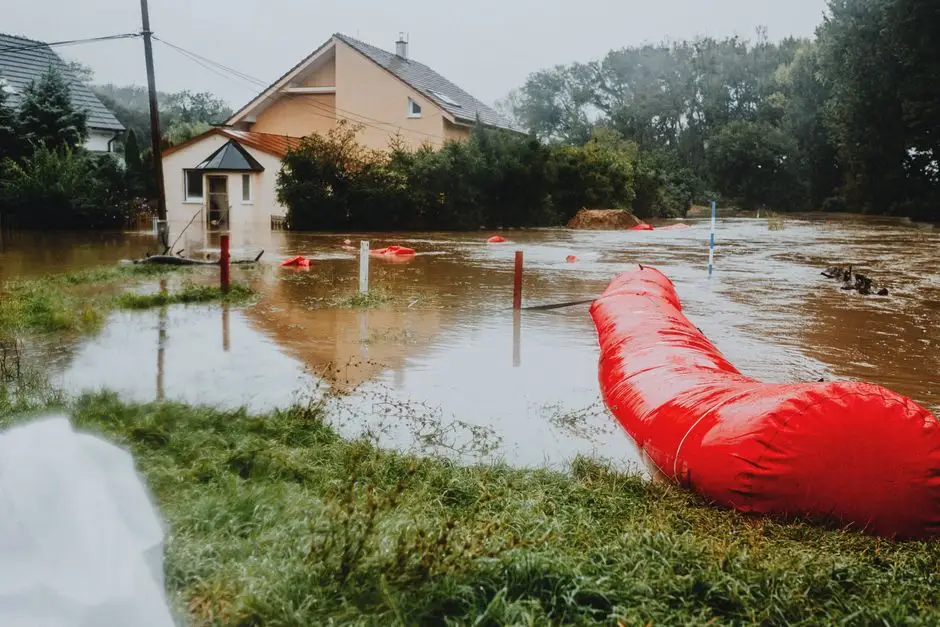
Flooded residential area protected by red flood barriers, showing severe weather impact.
Licensed Licensed & Bonded
Fully Insured Insured & Bonded
24/7 Emergency Same-Day Response
Warranty Backed Workmanship Guaranteed

What Basement Flood Cleanup Includes

Cleanup covers assessment, standing-water extraction, removal of loose debris, cleaning of affected accessible surfaces, and a drying setup based on moisture readings. We identify materials that need separate repair or replacement and explain the difference before work moves forward. Plumbing repairs, waterproofing upgrades, and full reconstruction are separate work; cleanup documents those needs rather than pretending extraction alone repairs the building.

Water Source Assessment

We look for the likely entry point, assess water depth and contamination concerns, and check for immediate hazards. Identifying a sump failure, burst pipe, or stormwater path helps determine the right extraction and cleaning steps. If the source is active, it must be controlled before drying can hold.

Standing Water Extraction

We pump or vacuum pooled water from floors and accessible low areas, then check edges and corners where water collects. Equipment choice depends on depth, volume, and access through the home. Extraction reduces the moisture load before fans and dehumidifiers are set.

Surface Cleaning

We remove loose mud and debris, then clean affected hard surfaces using products suited to the water source. Following a sewer backup, sanitation needs more care than after clean rainwater. Product use follows applicable label directions, and we identify porous items that cannot be adequately cleaned in place.

Drying and Monitoring

We position air movers and commercial dehumidifiers to support drying, using moisture readings to guide placement and progress checks. You will know which areas are being monitored and why. Drying duration changes with temperature, humidity, material density, and how long the basement stayed wet.

Damage Handoff

We point out damaged materials and document conditions that call for repair, such as saturated insulation or swollen drywall. You receive a straightforward explanation of cleanup completed and remaining work. That handoff helps you coordinate replacement materials or source repairs without confusing them with extraction.

Basement Flood Cleanup in Pennsylvania Explained


Basement Flood Cleanup in Pennsylvania is a water damage restoration service that removes floodwater, cleans affected surfaces, and dries the structure after a basement flood. We begin by checking the water source and category, then use extraction equipment suited to the depth and access. Moisture meters help us assess walls and flooring beyond what looks wet. We separate salvageable contents from damaged materials, clean reachable surfaces, and set drying equipment where readings show moisture remains. Sewage or other contaminated water requires additional protective handling and disinfection.

Pennsylvania homes face different basement risks: heavy rain and thawing snow can overwhelm drainage, while older stone or masonry foundations may admit groundwater under hydrostatic pressure. A sump pump failure, sewer backup, appliance leak, or frozen pipe can also leave standing water and moisture damage. Our flooded basement cleanup in Pennsylvania addresses both the water and the conditions that allowed it in. For professional basement flood cleanup in Pennsylvania, call when water is present, damp drywall is spreading, or a musty odor appears.

What to Expect During Cleanup

Our Pennsylvania basement flood cleanup process starts with the water source and ends with verified drying progress. We tell you what is happening at each stage, protect the work area, and keep access routes clear where possible. The duration depends on water volume, materials, and contamination.

01

Schedule

Call or book online — a real human picks up and confirms a 2-hour arrival window.

02

Diagnose

Licensed tech inspects on-site, then walks you through the cause and your options.

03

Fix

The job is completed to code and done right the first time — no shortcuts, no surprises.

04

Guarantee

Every job backed by a written workmanship warranty — and we stand behind it.

Equipment and Cleanup Methods

Tools & Equipment

Submersible water pumps

We use pumps to move deeper standing water out of low basement areas before detailed extraction. Their capacity and placement depend on water depth, safe access, and where discharge can be directed.

Moisture meters

Meters help us check wet building materials and compare readings as drying continues. We use them to identify areas that need attention beyond the visible water line.

Thermal imaging cameras

Thermal cameras help locate temperature patterns that can point to damp areas behind finishes. We confirm suspected moisture with direct inspection or meter readings rather than treating an image alone as proof.

Dri-Eaz dehumidifiers

Commercial dehumidifiers reduce room humidity while air movers circulate air across wet surfaces. We position equipment to support drying and monitor conditions instead of relying on a fixed run time.

HEPA air scrubbers

Where the work creates airborne dust or involves affected debris, air scrubbers help capture particulates in the work area. Equipment use depends on conditions and does not replace cleaning contaminated surfaces.

Methods & Standards

Water-source and category assessment

We determine whether water came from a clean supply, stormwater, or a contaminated source such as sewage. That classification affects protective procedures, cleaning products, and decisions about porous materials. We also identify whether the source remains active, because drying cannot solve a leak that is still feeding water into the basement.

Controlled extraction and drying

We remove bulk water first, then set airflow and dehumidification based on the room layout and material readings. Equipment is adjusted as conditions change. Drying often takes several days; we use follow-up readings to decide whether to continue, reposition, or remove equipment.

Label-directed sanitation

For contaminated water, we clean surfaces before applying an appropriate disinfectant and follow the product label for use. EPA Registered Antimicrobial Pesticide Label Compliance matters because contact time and application instructions affect performance. We also separate hard surfaces from porous materials that require different decisions.

When to Call for Flood Cleanup

01

A November rainstorm sends water through a basement window well or foundation seam.

What we do: We remove standing water, collect mud and loose debris, inspect the lower wall and nearby flooring, and start drying where readings show moisture. We also document the apparent entry route so drainage work can address the cause after the room is stable.

→ Your basement is cleared of pooled water, affected areas are mapped, and you have a drying plan plus a clear next step for the entry point.

02

A frozen pipe bursts overnight and water spreads through a finished basement.

What we do: We first confirm the water source is shut off and assess safe access around electrical equipment. Then we extract water, check flooring and wall bases, and position drying equipment. A plumber handles the damaged line while we focus on water and moisture.

→ Water is removed promptly, wet materials are identified, and plumbing repair can proceed with less standing water in the work area.

03

A sewer backup reaches a laundry area, floor drain, and nearby storage.

What we do: We treat the water as contaminated, limit access, remove water and affected debris, and clean suitable hard surfaces with appropriate disinfectants. We identify porous materials that need disposal and coordinate the cleanup sequence around clearing the sewer obstruction.

→ The affected area receives contamination-aware cleanup, and you know which surfaces are cleaned and which items cannot be safely retained.

04

A water heater or washer leaks while the basement is unattended.

What we do: We extract the water, inspect adjoining rooms and floor edges, and check for moisture beneath or behind affected finishes where accessible. We place drying equipment according to readings and explain what the appliance repair must address before the area returns to normal use.

→ The visible water is removed, hidden wet areas are identified, and drying proceeds while the appliance source is repaired.

How Cleanup Works Across Pennsylvania

Pennsylvania's varied terrain and building stock change how a basement flood behaves. Western communities often see intense rain run toward hillside foundations, while freeze-thaw periods can stress older masonry and expose weak joints. In older rowhouses and converted basements, narrow stairs and shared walls affect equipment access; newer homes may have finished rooms, sump systems, and drainage tile that need careful inspection. Our flooded basement cleanup in Pennsylvania starts by tracing water to a likely source, then checking the floor, lower walls, and contents for moisture. During November rain and winter thaws, we pay close attention to window wells, sump discharge, and frozen plumbing risks; spring storms and summer downpours bring different runoff patterns. We use moisture measurements to guide drying rather than assuming a room is ready because the surface feels dry. For basement flood cleaning and sanitizing near me in Pennsylvania, we adapt the work area to the building and the water category, and we identify when plumbing, electrical, or drainage repairs need a separate trade. Requirements can differ by municipality and by whether work is cleanup or regulated repair, so we do not treat one local rule as statewide approval.

Neighborhoods We Serve

  • Squirrel Hill

    Older homes and sloped lots can direct runoff toward lower-level entries. We inspect window wells and foundation edges as well as the visible floor puddle.

  • Oakland

    Multi-unit buildings and shared basement access require careful movement of pumps and drying equipment. We keep the work area organized around common routes.

  • Wilkinsburg borough neighborhoods

    Older masonry foundations can show seepage after sustained rain. We check wall joints and lower corners for dampness that extends beyond the obvious wet area.

  • West Mifflin residential areas

    Hillside runoff and heavy rain can load foundation drainage quickly. We assess the entry path and note where discharge or grading may need attention.

Local Conditions We Plan For

  • Freeze-thaw cycles stress foundation joints and exposed plumbing.

    Water can enter through weakened joints during thaw, while a frozen line can rupture indoors. We distinguish the source before choosing extraction and drying steps, and flag plumbing repairs that must happen before the area is closed up.

  • Heavy rain and snowmelt overload sump and drainage systems.

    A pump may run continuously or fail while groundwater rises around the foundation. We remove water, check the wet footprint, and note visible concerns with discharge piping or drainage that could contribute to repeat flooding.

  • Older basements combine masonry walls with modern finished rooms.

    Moisture may travel behind newer drywall or flooring while the masonry surface appears only slightly damp. We take readings in affected materials and explain where limited inspection or material removal is needed to dry concealed areas.

Rainwater Across a Finished Basement

Before

A heavy rain left about 2 inches of water across a finished basement, soaking carpet and the bottom edge of several drywall sections. Boxes blocked access to the floor, and the owner could not tell whether water was still entering near a window well. A damp odor developed by the next morning.

After

We extracted the standing water, moved affected contents, and checked the wall bases and carpet edge with moisture meters. Drying equipment ran for 4 days with readings reviewed during the process. The owner received a map of wet areas and a clear list of flooring and drywall sections needing repair.

Maintenance: Keep window wells clear, direct roof runoff away from the foundation, and test the sump pump before the wet season. After a major storm, check corners and stored items promptly so new seepage is found before it spreads.

Before

A failed sump pump left roughly 3 inches of water near a furnace and storage shelves. The room had not flooded deeply before, so the owner was unsure whether the water reached electrical components or soaked the lower wall. The pump discharge line also showed signs of poor flow.

After

We assessed safe access, removed the water, and checked the affected wall and floor edges. Drying equipment ran for 3 days, with moisture readings guiding placement. We identified the discharge concern for pump service and separated cleanup from the required mechanical repair.

Maintenance: Have the pump and discharge route checked before prolonged rain and snowmelt. Keep the sump pit clear, confirm the float moves freely, and consider a backup plan if the pump serves a basement with recurring groundwater pressure.

Before

A leaking washer connection left about half an inch of water across the laundry floor and dampened stored linens. Water had travelled beneath the adjacent vinyl flooring, although the surface puddle appeared small. The homeowner had already shut off the supply but could still smell a musty odor.

After

We extracted the visible water, checked the flooring edges and nearby wall base, and found moisture beyond the original puddle. Air movers and a dehumidifier ran for 3 days while the readings improved. The owner knew which flooring sections needed further inspection before replacement.

Maintenance: Replace worn supply hoses and inspect connections during routine laundry-room checks. Keep a clear path to the shutoff valve, and call for assessment if water reaches beneath flooring even after the visible puddle is removed.

Solve Flood Problems Before They Spread

Water that remains in a basement can damage stored belongings, finishes, and building materials while creating persistent odors. We target the immediate water and moisture, then explain the source-related repair needed to reduce repeat flooding. That is the practical route to Pennsylvania basement flood cleanup and odor removal after a wet basement event.

Problem

Stormwater collects along the foundation after prolonged rain.

Standing water can soak carpet backing, lower drywall, and stored belongings; hidden moisture may remain after the visible puddle is gone.

Our Fix

We extract pooled water, check floor edges and lower wall areas, and use moisture readings to guide drying. We also note entry points such as a window well or foundation joint so you can address drainage or sealing after the immediate cleanup.

Problem

A sump pump failure leaves water around mechanical equipment.

Water near a furnace, water heater, or electrical panel creates safety concerns and can damage equipment or stored materials if it remains.

Our Fix

We assess safe access before entering, remove water with suitable pumps, and dry affected surfaces. Our crew notes visible pump or discharge concerns, while a qualified service professional handles pump repair or electrical work.

Problem

Sewer backup leaves contaminated water and debris.

Contaminated water can expose people to harmful material and soak porous items that are difficult to sanitize reliably.

Our Fix

We isolate the affected area, extract the water, remove debris, and clean appropriate hard surfaces using label-directed products. We identify porous materials that need removal and advise that the sewer source be cleared before normal use resumes.

Problem

A slow plumbing leak creates hidden moisture under finished flooring.

Water can travel beyond the original leak, leaving damp underlayment and lower wall cavities even when the surface puddle is small.

Our Fix

After the leak is stopped, we extract accessible water, inspect adjoining areas with moisture meters, and set drying equipment based on readings. We show you where moisture remains and identify finishes that require removal for proper drying.

Practical Results for Your Basement

Practical Results for Your Basement

A flooded basement needs more than water scooped from the floor. We focus on the source, the wet materials, and the drying conditions, then explain what has been cleaned and what needs further repair. You get a clear sequence of work and measurable progress rather than guesswork.

  • Water Out Quickly

    We match extraction to the depth and volume, using pumps or truck-mounted equipment when the situation calls for it. Removing water early limits how long flooring, stored belongings, and lower wall sections stay saturated. After the standing water is gone, we check low spots and concealed edges where water can remain trapped.

  • Drying You Can Track

    Moisture readings give us a practical way to follow progress instead of relying on a dry-looking surface. We place air movers and commercial dehumidifiers to move air across affected areas and draw moisture from the room. Your technician explains the readings and checks them again as the structure dries.

  • Cleaner Affected Surfaces

    Our flooded basement cleanup in Pennsylvania includes removal of loose debris and cleaning of accessible hard surfaces. If the water was contaminated, we use suitable disinfectants and follow label directions for application. That distinction matters after a sewer backup, where ordinary wiping does not address the sanitation concern.

  • A Clear Next Step

    We point out damaged drywall, insulation, flooring, and contents that need separate repair or disposal decisions. You receive a practical handoff: what has been extracted, what remains wet, and which readings need follow-up. This helps you coordinate repairs without confusing cleanup with reconstruction.

Training and Work Standards

Licensed & Certified

  • Water Damage Restoration Technician — issued by Institute of Inspection, Cleaning and Restoration Certification
  • Applied Structural Drying — issued by Institute of Inspection, Cleaning and Restoration Certification
  • Applied Microbial Remediation Technician — issued by Institute of Inspection, Cleaning and Restoration Certification
  • OSHA Hazard Communication Standard — issued by Occupational Safety and Health Administration

Verified Reviews

Google ★★★★★4.9

Our Pittsburgh basement had water across the floor after a storm. The crew checked the lower walls, removed the water, and explained the drying readings in plain language. They also identified the window-well area where water appeared to enter. I knew what cleanup was complete and what drainage repair we still needed.

Yelp ★★★★★4.8

A failed pump flooded our utility area in Plum. The technicians checked the room before bringing equipment in, then extracted the water and monitored the damp wall. They did not claim the pump was repaired; they explained that a pump specialist needed to handle that part. The cleanup and handoff were clear.

Google ★★★★★4.9

We had a water-line leak in Wilkinsburg, and the floor looked dry after we mopped. The team found moisture under the edge of the flooring, set drying equipment, and returned to check readings. Their explanation helped us avoid closing up the room before the affected materials were ready.

Field Knowledge That Matters

Basement cleanup demands sound decisions about water category, material type, and drying-not just equipment in the room. Our technicians apply water-restoration training to extraction, cleaning, and moisture monitoring, and follow safety practices suited to the source. We take care around older foundations, finished basements, mechanical rooms, and shared building spaces. Each job is assessed on its actual conditions; we do not claim a fixed drying time before measurements support it.

  • IICRC Water Damage Restoration Technician training informs water extraction, contamination assessment, and structural drying decisions.
  • We use moisture meters and thermal imaging cameras to locate damp areas that are hidden behind finishes or outside visible water lines.
  • Our crew distinguishes clean water intrusion from sewage contamination before choosing cleaning and protective procedures.
  • We follow OSHA Hazard Communication Standard practices when handling cleaning products and explaining safe re-entry instructions.
  • Pennsylvania Home Improvement Contractor Registration is relevant when work crosses into covered repair activity; we keep cleanup and reconstruction clearly distinguished.
Get Started Today
Field Knowledge That Matters

Cities We Serve in Pennsylvania

Our statewide coverage brings Pennsylvania basement flood cleanup to homes and properties with different foundations, access routes, and drainage conditions. We coordinate equipment for urban basements, hillside homes, and suburban utility rooms, then tailor extraction and drying to the water source. Service includes Pittsburgh, Altoona, Plum, West Mifflin, and Wilkinsburg, with additional coverage across the state. Tell us where the water entered and how long it has been present so we can prepare for the right cleanup conditions.

Basement Cleanup Questions Answered

Real answers to the questions we hear most often from local homeowners and property managers.

How soon should basement flood cleanup begin in Pennsylvania?
Start extraction as soon as the area is safe, ideally within 24 hours of the water entering. Delays keep porous materials wet and raise the chance of swelling, odor, and mold growth. If water is near electrical equipment, do not enter; shut off power only from a dry, safe location and call for help. We first identify the source and hazards, then remove water and begin drying.
What does flooded basement cleanup include?
Flooded basement cleanup includes water-source assessment, standing-water extraction, debris removal, cleaning of affected surfaces, and drying equipment placement. The work may also include moisture monitoring and identifying materials that need removal. Contaminated water, such as sewage, requires added protective handling and disinfection. We explain what is part of the cleanup and what belongs to plumbing, waterproofing, or reconstruction work.
Can a Pennsylvania cleanup company sanitize a flooded basement?
Yes, a cleanup crew can clean and sanitize appropriate surfaces after assessing the water source and materials. Disinfectants must be used according to their label, and porous materials exposed to sewage may need removal rather than surface treatment. Our team distinguishes stormwater from contaminated water, cleans accessible areas, and explains any remaining sanitation or repair needs before equipment is removed.
How much does basement flood cleanup cost in Pennsylvania?
In 2026, many residential jobs fall between $500 and $4,500, with small, clean-water extractions at the low end and extensive or contaminated losses costing more. Price depends on water depth, basement size, material removal, sanitation, and drying days. We give you one upfront price for the agreed cleanup work. Reconstruction and plumbing repairs are separate trades and can change the total project cost.

Related Basement Services

Basement Water Removal

When water is still standing, extraction is the first practical step in a broader cleanup. We choose pumping or vacuum equipment based on depth and access, then assess what remains wet. Removing bulk water lets cleaning and structural drying begin without delay.

View Basement Water Removal

Emergency Basement Water Extraction

A sudden pipe break or fast stormwater entry can leave inches of water across the floor. Emergency extraction focuses on removing that water and reducing exposure time for contents and building materials. We check hazards before setting up pumps and vacuums.

View Emergency Basement Water Extraction

Basement Flood Damage Restoration

Cleanup removes water and addresses immediate contamination; restoration repairs damaged finishes and building components. After extraction and drying, we identify where drywall, insulation, or flooring requires replacement. This service connects cleanup findings to the next stage of recovery.

View Basement Flood Damage Restoration

Sump Pump Failure Cleanup

A pump failure can let groundwater rise quickly, especially during prolonged rain or snowmelt. We extract the water, clean affected surfaces, and note whether discharge piping or a check valve contributed to the failure. A qualified pump repair prevents cleanup from becoming a recurring cycle.

View Sump Pump Failure Cleanup

Sewer Backup Cleanup

Sewage requires a different approach from ordinary rainwater because contaminants can affect floors, belongings, and porous materials. We isolate affected areas, remove contaminated water and debris, and clean surfaces with appropriate products. The source line must also be addressed to prevent another backup.

View Sewer Backup Cleanup

Storm and Heavy Rain Flood Cleanup

Heavy rain can push stormwater through window wells, foundation openings, or overloaded drains. We extract water and assess lower walls, stored contents, and floor edges for moisture. The cleanup can be followed by drainage or waterproofing work to address the entry point.

View Storm and Heavy Rain Flood Cleanup

Get Basement Flood Cleanup in Pennsylvania

If water is rising, a sewer line has backed up, or your basement still smells damp, call our crew at 1-866-896-8166. We will assess the source, explain the cleanup, and provide upfront pricing before work proceeds.

Call Now Call for Cleanup

Contact Our Referral Line

Call Pennsylvania Basement Water Removal Pros at +1 866-896-8166 to describe the flooding and request a connection with an independent local company. Our phone line accepts urgent requests around the clock. Have your municipality, water source, approximate depth, and any safety concerns ready; those details help us route your request across Pennsylvania.

Or call us right now at +18668968166 — we answer.

Pennsylvania Basement Water Removal Pros


  • Phone

    +18668968166
  • Address

    Pennsylvania

  • Hours

    Mon–Fri: 7AM – 7PM
    Sat: 8AM – 4PM
    Sun: Emergency Only
    24/7 Emergency Available

Call +18668968166 Get Quote
Call Quote