Residential Basement Water Removal In Bethlehem
Basements in Bethlehem serve as laundry rooms, storage areas, workshops, and finished family space, so water can disrupt much more than the floor. Historic stone and masonry homes need careful moisture checks, while finished lower levels may hide wet insulation behind drywall. basement water extraction Bethlehem homeowners request often follows a sump pump failure, leaking appliance, sewer backup, or winter pipe break. We remove water, check nearby materials, and set drying equipment based on readings. If you have children, pets, or stored belongings in the basement, tell us what needs to be kept clear so we can plan a safe work path.
- Finished basement water extraction — We extract water from finished Bethlehem basements while checking carpet, baseboards, and the lower sections of walls. Moisture readings help show whether water has moved behind the visible finish. We identify wet materials that may need selective removal and position drying equipment to protect unaffected rooms and maintain a clear route through the home.
- Laundry and utility room cleanup — A washer hose, water heater, or utility sink can release water into a small room and spread it under stored items. In Bethlehem homes, we remove the water, check adjacent flooring and walls, and dry the affected area. We also note whether the source remains active so you can arrange the needed plumbing or appliance repair.
- Sump pump overflow response — When a sump pump stops keeping up, water can cross the basement floor before you notice the failure. We pump out the water, inspect accessible discharge conditions, and measure moisture around the pit and wall edges. Bethlehem homeowners receive a clear explanation of what cleanup can address and what pump repair requires.
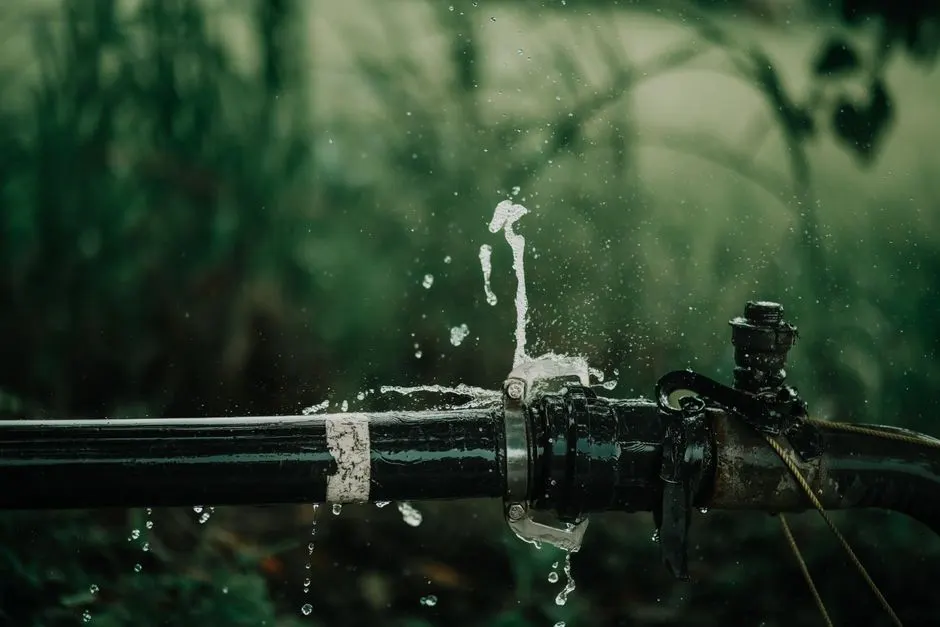
- Burst pipe water cleanup — A burst or leaking pipe can soak framing, insulation, and belongings before the water is shut off. We extract water from Bethlehem basements, check adjoining spaces, and use readings to guide drying. If wet insulation or drywall cannot dry in place, we identify the affected area and explain the next restoration step.