
Logo
Get Estimate

Burst Pipe and Plumbing Leak Cleanup in Pennsylvania

Stop the leak, remove water, and dry your home


Burst Pipe and Plumbing Leak Cleanup in Pennsylvania helps homeowners and property managers deal with broken supply lines, frozen pipes, and sudden basement leaks before water spreads through floors and walls. Our team extracts standing water, tracks hidden moisture, and sets drying equipment to protect the structure. Plumbing leak water cleanup in Pennsylvania is available for urgent residential losses, from a pipe splitting overnight to a water heater line failing before a holiday.

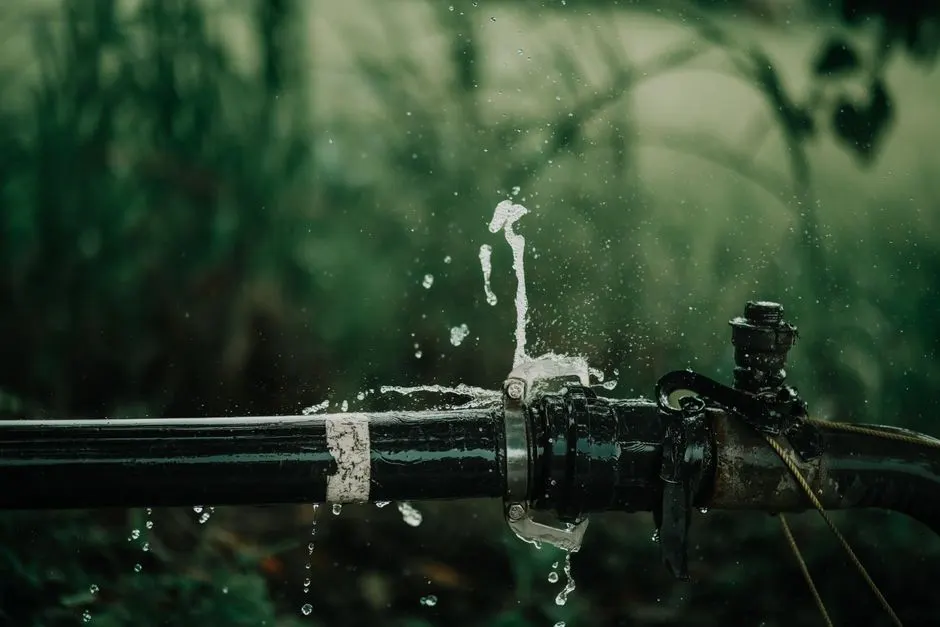
A detailed view of a leaking water pipe in a lush green garden setting.
Licensed Licensed & Bonded
Fully Insured Insured & Bonded
24/7 Emergency Same-Day Response
Warranty Backed Workmanship Guaranteed

What Pipe Leak Cleanup Includes

Our cleanup covers water extraction, inspection of affected materials, structural drying, and moisture monitoring after the plumbing source is controlled. We also identify contents and building materials that need focused attention. Plumbing repairs and reconstruction are separate trades; we explain where cleanup ends and what repair work follows, so you can coordinate the next step without confusion.

Water Source Assessment

We identify the affected rooms, look for active water entry, and help you locate a safe shutoff point. The assessment records visible damage and checks nearby areas where water may have traveled. This establishes the working area before equipment is placed.
Standing Water Extraction

We remove accessible water with pumps, truck-mounted extraction units, or wet/dry vacuums suited to the depth and layout. Where practical, we move loose contents to reach the floor and reduce water trapped beneath them. Extraction continues until standing water is removed.

Structural Drying Setup

Air movers and commercial dehumidifiers are placed to circulate air across affected surfaces and remove moisture from the room. Equipment placement reflects room size, wet materials, and access. We explain operating noise, airflow, and safe routes through the work area.

Moisture Monitoring

Our technicians check affected materials with moisture meters during drying and adjust equipment as readings change. We compare wet areas with suitable dry references and document progress. This confirms whether materials are drying or need further access and repair.

Damage Handoff

At the end of cleanup, we review what dried, what needs replacement, and where repair work remains. Saturated drywall or insulation is noted for the rebuilding phase. You receive a practical account of the drying work and the observed condition of the affected area.

Burst Pipe and Plumbing Leak Cleanup in Pennsylvania


Burst Pipe and Plumbing Leak Cleanup in Pennsylvania is an emergency water damage service that removes water and dries building materials after a plumbing line breaks or leaks. We first help you stop the water at the shutoff, then remove standing water with pumps or truck-mounted extraction units. Moisture meters and thermal imaging cameras help us check beyond the visible puddle, including wall cavities and flooring edges. We document affected materials, set air movers and commercial dehumidifiers, and monitor readings so you know when drying is complete.

Pennsylvania's winter freezes, spring thaw, and heavy rain put different demands on plumbing and basements across the state. A frozen line can split in an exterior wall, while a failed appliance hose can soak a finished basement before anyone sees it. Our Pennsylvania burst pipe and plumbing leak cleanup addresses water from the source and the surrounding damage. If you need emergency cleanup after a burst pipe in a Pennsylvania basement, quick extraction matters: standing water can spread beneath flooring and into insulation within hours.

What Happens During Cleanup

Burst pipe cleanup follows a practical order: control the water, extract it, dry the structure, and verify the result. We explain each step before moving equipment through your home, protect pathways where practical, and keep you informed as readings change. A small, accessible loss and a finished basement with water in several rooms require different equipment and time.

01

Schedule

Call or book online — a real human picks up and confirms a 2-hour arrival window.

02

Diagnose

Licensed tech inspects on-site, then walks you through the cause and your options.

03

Fix

The job is completed to code and done right the first time — no shortcuts, no surprises.

04

Guarantee

Every job backed by a written workmanship warranty — and we stand behind it.

Tools and Drying Methods

Tools & Equipment

Submersible water pumps

We use pumps to remove deeper standing water from basement floors and low areas, then switch to extraction tools for the remaining surface water.

Truck-mounted extraction units

High-capacity extraction removes water from larger affected areas and helps recover moisture from carpet and other accessible surfaces after pooled water is cleared.

Moisture meters

Meters help compare affected materials with dry reference points and track whether floors, trim, and wall bases are losing moisture during the drying period.

Thermal imaging cameras

Thermal patterns help identify areas that warrant direct moisture testing behind finishes, guiding targeted inspection rather than assuming every cool surface is wet.

Air movers and commercial dehumidifiers

Air movers circulate air over wet materials while dehumidifiers collect moisture from the room, supporting controlled structural drying over several days.

HEPA air scrubbers

When the work area needs airborne particle control, HEPA air scrubbers filter circulating air during cleanup and material handling.

Methods & Standards

IICRC water damage assessment

We inspect the source, affected materials, and likely water path, then determine the appropriate extraction and drying approach. IICRC Water Damage Restoration Technician principles support consistent evaluation and documentation. The assessment also distinguishes clean supply-line water from other contamination concerns that require a different response.

Measured structural drying

We place air movers and dehumidifiers to support evaporation from affected materials, then track moisture readings at intervals. Equipment is adjusted when dense flooring, wall cavities, or limited airflow slows progress. Drying is complete when readings support a stable condition, not simply when surfaces feel dry.

Targeted material removal

When saturated drywall or insulation cannot be dried in place, we identify the affected section and explain the access needed. Removing only materials that cannot be restored helps keep the repair area focused. We protect surrounding surfaces and coordinate the cleanup handoff with the next repair stage.

Safe product handling

Cleaning products are used only where the affected conditions call for them, following label directions and the OSHA Hazard Communication Standard. We select the work method based on the water source and material, rather than applying disinfectants indiscriminately. You are told what treatment is being used and where.

When Cleanup Is Needed

01

A pipe bursts overnight and water is spreading from a basement utility room toward finished living space.

What we do: We help you stop active water, assess the affected route, and extract the pooled water before it reaches more flooring. Our technicians inspect nearby wall bases and set drying equipment based on the materials involved. We return to monitor readings rather than relying on touch alone.

→ Water is removed, wet areas are identified, and drying proceeds with measurable checks. You have a clear view of what needs repair and what can remain.

02

A water-heater connection leaks before a holiday, soaking stored items and the floor around the mechanical area.

What we do: We remove standing water and check under accessible equipment, shelving, and adjacent flooring. If the leak has reached drywall or insulation, we map the affected area and set a drying plan. We keep the work path organized so you can still reach essential household equipment when conditions allow.

→ The leak damage is contained to a defined work area, with wet materials identified and the remaining cleanup steps explained.

03

A washing-machine hose fails while the home is empty, leaving water across a laundry room and hallway.

What we do: Our crew extracts water from both rooms, checks transitions and baseboards, and looks for moisture that traveled under flooring. We use air movers and dehumidifiers to dry the connected spaces and check readings during the process. Any damaged trim or flooring is documented for repair.

→ Water is removed from the connected rooms, concealed wet areas are flagged, and you can plan repairs with a documented drying status.

04

A pipe leak is fixed, but the basement still smells damp and the wall feels cool near the floor.

What we do: We inspect the wall base and nearby floor with moisture meters, then identify whether water remains in the assembly. Where readings show moisture, we adjust airflow or recommend targeted access to the cavity. Drying continues with follow-up checks until readings show improvement.

→ The source repair is followed by a focused drying plan, reducing the chance that hidden moisture is left behind unnoticed.

How Cleanup Works Across Pennsylvania

Pennsylvania's climate brings hard freezes, spring thaws, humid summers, and heavy rain that can expose weak plumbing or overwhelm basement drainage. In November and through winter, an unheated utility room or pipe in an exterior wall faces a greater freeze risk; spring thaw and rain can add groundwater seepage to a plumbing loss. Our plumbing leak extraction and drying Pennsylvania service starts by separating the broken-line water from any sump pump failure or stormwater intrusion, because each source changes the cleanup plan. Older homes may have stone foundations, narrow stairs, and limited access, while finished basements contain drywall, carpet, and insulation that need careful moisture checks. We use moisture readings to decide where equipment can dry materials in place and where access is needed. For emergency cleanup after a burst pipe in a Pennsylvania basement, we also consider safe electrical access, equipment placement, and the route from the entry to the affected room. Local plumbing and building requirements vary by municipality; plumbing repairs and any permitted reconstruction should follow the rules that apply where your property stands. We coordinate cleanup around that work and leave a clear drying handoff.

Neighborhoods We Serve

  • Midtown Harrisburg

    Older row homes and compact utility areas can make equipment access tight. We plan the extraction route and check adjoining wall bases where a leak may cross room boundaries.

  • Monroeville residential areas

    Basement finishes and utility-room plumbing can conceal water beneath flooring. We check connected areas instead of assuming the visible puddle marks the full loss.

  • Phoenixville borough homes

    Varied foundation styles and narrow basement entries affect equipment movement. Our crew sizes extraction gear to the water depth and available access.

  • Greensburg hillside properties

    Sloping sites can direct water toward low basement corners. We inspect floor transitions and drainage points while distinguishing pipe water from outside seepage.

  • Sharon residential blocks

    Cold-weather pipe failures can affect lower-level rooms and wall cavities. We prioritize source control, then measure the affected materials before setting drying equipment.

Local Conditions We Plan For

  • Subfreezing nights increase risk for exposed lines in unheated spaces.

    A pipe may split inside a basement wall or near a crawlspace and release water after temperatures rise. We check the wall and nearby flooring for concealed moisture, not just the point where water first appeared.

  • Spring rain and thaw can add groundwater to a pipe loss.

    Water entering at floor joints or a sump area can mix with plumbing water and keep the basement wet after the broken line is repaired. We identify likely sources and plan extraction and drying around both conditions.

  • Older foundations and finished basements complicate access.

    Masonry walls, narrow stairs, and finished ceilings can hide water paths or limit equipment placement. We select tools that fit the access and use measured checks to avoid overlooking damp material behind a finished surface.

Overnight Supply-Line Break

Before

A supply line failed in a basement utility room, leaving about 1 inch of water across a 250-square-foot area. Boxes sat directly on the wet floor, and water had reached the base of a finished partition. The homeowner had shut off the line, but the floor and wall condition were still unknown.

After

Our crew extracted the standing water, checked the partition and nearby floor with moisture meters, and set air movers with a dehumidifier. Follow-up readings over four days showed the accessible materials drying. The affected drywall section was identified for repair, while dry shelving and several stored items remained in place.

Maintenance: Keep the main shutoff accessible and inspect exposed supply lines twice a year. During winter, maintain heat in rooms with plumbing and check for drafts around exterior-wall pipes.

Before

A slow leak at a water-heater connection spread across the mechanical-room floor and beneath a storage shelf. The puddle looked small, but the trim and adjacent flooring tested damp. Stored items blocked part of the route, and the leak had gone unnoticed for several hours.

After

We removed the water, moved accessible belongings, and tested the floor perimeter and wall base. Drying equipment ran for three days, with readings checked during the visit. The source was left for plumbing repair, and the homeowner received a clear list of trim and flooring areas needing follow-up.

Maintenance: Look at appliance and water-heater connections every month for corrosion, drips, or bulging hoses. Keep stored goods raised several inches off basement floors so a small leak is visible sooner.

Before

After a cold snap, a pipe in an exterior basement wall split and released water into a finished room. Carpet, the lower wall, and a nearby closet were wet. The homeowner stopped the flow, but water had moved under the carpet and into the room's edge trim.

After

We extracted water from the carpeted area, checked the closet and wall base, and positioned air movers to reach the flooring edges. Moisture readings improved over five days. The inspection identified a limited section of insulation and drywall for replacement instead of removing the entire wall.

Maintenance: Insulate exposed pipes and seal drafts around rim areas before winter. Keep cabinet or access doors open during severe cold when plumbing sits in an unheated enclosure, and know which valve shuts off the affected line.

Problems Solved After Pipe Leaks

A small leak can become a large repair when water is left beneath flooring or inside a wall. We address the immediate water and the conditions that allow moisture damage to spread. Fast action also helps reduce the chance of mold growth after flooding, especially in enclosed basement spaces with limited airflow.

Problem

Water spreads beneath finished flooring after a hidden pipe split.

Moisture trapped under flooring can swell boards, loosen adhesives, and migrate into wall plates, making damage larger than the visible wet patch.

Our Fix

We extract water from accessible surfaces, check floor edges and adjacent wall bases, and use moisture readings to determine where drying is needed. If water has reached a concealed layer, we explain the access required and why. Air movement and dehumidification then target the affected assembly instead of only drying the room air.

Problem

Frozen basement or exterior-wall plumbing leaks during a cold snap.

A split supply line can continue releasing water until someone finds the shutoff, soaking insulation and drywall while the temperature remains low.

Our Fix

We help you prioritize stopping the flow, then remove standing water and assess the cold-side wall or basement area. Our crew checks nearby materials for concealed moisture and establishes drying equipment suited to the space. We coordinate the cleanup sequence with the plumbing repair so the source is controlled before final drying.

Problem

Water heater or appliance hose failure floods a utility area.

Water can run under stored belongings, into floor joints, and toward finished rooms before the leak is noticed, damaging more than the appliance area.

Our Fix

We clear standing water, inspect the route it followed, and check under and around accessible appliances and storage. Absorbent pads and extraction tools help manage smaller trapped areas; larger volumes call for pumps or truck-mounted equipment. We then dry the affected materials and explain what is ready for repair.

Problem

A repaired pipe leaves damp wall cavities and musty basement air.

Surface cleanup alone can leave wet insulation and framing behind the wall, allowing odor and moisture damage to persist after the plumbing is fixed.

Our Fix

We use moisture meters and targeted inspection to locate damp materials, then set air movers and dehumidifiers to dry the space. If a cavity cannot be dried without access, we identify the affected section and outline the removal needed. Follow-up readings confirm whether the structure is progressing toward dry conditions.

A Drier, Safer Home

A Drier, Safer Home

A broken pipe is stressful; the cleanup should be clear and controlled. We focus on stopping water migration, protecting salvageable materials, and showing you the drying progress with measured readings rather than guesswork. You get a defined sequence from extraction through final moisture checks, with practical updates about what can be dried and what needs removal.

  • Faster Water Removal

    We match extraction equipment to the volume and access conditions, using submersible water pumps for deeper water and wet/dry vacuums for tight areas. Removing water promptly limits saturation in carpet, trim, and stored belongings. For plumbing leak water cleanup in Pennsylvania, we also check adjacent rooms and low points where water can travel under partitions.

  • Measured Drying Progress

    Moisture meters let our technicians compare affected materials with dry reference areas. We record readings as air movers and commercial dehumidifiers run, then adjust placement when a wall base or floor edge dries more slowly. You see the difference between a surface that feels dry and a structure that has reached a stable moisture condition.

  • Less Hidden Damage

    Water can move behind baseboards and into insulation before a stain appears. We use thermal imaging cameras to identify temperature patterns that warrant closer moisture testing, then open only the areas that need access. That targeted approach helps reduce unnecessary demolition while addressing damp cavities that could otherwise support mold growth after flooding.

  • Clear Repair Handoff

    Once extraction and drying are complete, we explain which materials are ready for repair and which require replacement. If drywall or insulation is saturated, we identify the affected area and document the readings. You can coordinate plumbing repairs and rebuilding with a clear account of the water damage work already completed.

Training and Work Standards

Licensed & Certified

  • Water Damage Restoration Technician — issued by Institute of Inspection, Cleaning and Restoration Certification
  • Applied Structural Drying — issued by Institute of Inspection, Cleaning and Restoration Certification
  • Applied Microbial Remediation Technician — issued by Institute of Inspection, Cleaning and Restoration Certification
  • OSHA Hazard Communication Standard — issued by U.S. Occupational Safety and Health Administration

Verified Reviews

Google ★★★★★4.9

A pipe broke in our basement, and the crew explained the extraction and drying steps without making the situation more confusing. They checked the wall base and the room next door, then showed us the readings during follow-up. We appreciated knowing which materials were drying and which needed repair.

Google ★★★★★4.8

Our laundry hose failed while we were away. The team removed water from the laundry room and hallway, checked under the floor edges, and set equipment that fit the space. They kept us updated and left a clear summary of the cleanup and remaining repair work.

BBB ★★★★★4.9

A water-heater leak left a wet basement floor and damp trim. The technicians used moisture readings instead of guessing, and came back to check progress before removing the equipment. The process was straightforward, and we knew what to address with our plumber afterward.

Technical Cleanup Experience

Our local experience covers burst supply lines, water-heater leaks, appliance failures, and basement flooding in varied Pennsylvania homes. Technicians trained as IICRC Water Damage Restoration Technicians understand water categories, material response, and drying documentation; Applied Structural Drying training supports equipment placement and monitoring. We follow safe handling practices, including the OSHA Hazard Communication Standard for products used on site. The work is measured: identify the source, assess what is wet, extract, dry, and verify. We do not claim a fixed number of years or completed jobs; we show the condition of your property and the readings that guide the work.

  • IICRC Water Damage Restoration Technician training informs inspection, water removal, and drying documentation for residential pipe leaks.
  • IICRC Applied Structural Drying methods guide airflow, dehumidification, and repeat moisture checks in affected building materials.
  • Technicians use moisture meters and thermal imaging cameras to locate hidden wet areas before recommending targeted access.
  • Our crew follows the OSHA Hazard Communication Standard when handling and storing cleaning products on the job.
  • We document drying progress so you can understand which materials are stable and which need repair or replacement.
Get Started Today
Technical Cleanup Experience

Burst Pipe Cleanup Questions

Real answers to the questions we hear most often from local homeowners and property managers.

What should I do after a pipe bursts in my Pennsylvania basement?
Shut off the nearest safe water valve and call emergency cleanup promptly; avoid standing water near electrical equipment. If you can do so safely, move valuables above the wet area and take photos before cleanup. Our crew extracts water, checks nearby rooms and wall bases, and starts drying. For water extraction from a basement plumbing leak Pennsylvania homeowners should avoid running household vacuums or entering water where electrical hazards may be present.
How quickly can plumbing leak cleanup begin?
Emergency cleanup can begin as soon as the call is assessed and a crew is dispatched; arrival timing depends on location and current conditions. Tell us whether water is still flowing, how deep it is, and which rooms are affected. We use that information to plan equipment and access. Early extraction limits spread, but the full drying process often takes three to five days, with daily or scheduled moisture checks.
Can a cleanup company dry a basement after a pipe leak?
Yes, a trained cleanup crew can extract water and dry many basement materials using air movers and dehumidifiers over roughly three to five days. We measure moisture in affected surfaces, check concealed areas, and adjust equipment as readings change. Saturated insulation or swollen composite materials may need removal rather than drying. We explain those findings and distinguish water cleanup from the plumbing repair that stops the leak.
Who handles emergency basement water removal after a burst pipe?
A water damage cleanup team handles extraction and structural drying, while a plumber repairs or replaces the broken line. We coordinate the cleanup sequence with the source repair so water does not continue entering the space. For flood cleanup after a broken water pipe Pennsylvania properties need, we remove standing water, assess wet materials, set drying equipment, and document the final condition for the next repair step.

Related Water Damage Services

Basement Water Removal

When a burst line leaves several inches of water across a basement, extraction is the first priority. We remove pooled water with pumps and extraction equipment, then assess flooring and wall bases. This service pairs with pipe-leak cleanup when water has spread beyond the immediate break.

View Basement Water Removal

Basement Flood Cleanup

A pipe failure can flood a finished basement just as quickly as a storm. We remove water, manage affected contents, and dry the structure using measured equipment placement. Cleanup also addresses contaminated or damaged materials that cannot be safely restored.

View Basement Flood Cleanup

Emergency Basement Water Extraction

For active leaks and sudden water accumulation, emergency extraction gets standing water out before it migrates farther under flooring. We choose pumps or truck-mounted extraction based on depth and access, then transition to drying. You receive a clear account of what was removed and what remains wet.

View Emergency Basement Water Extraction

Basement Flood Damage Restoration

When pipe water damages drywall, insulation, trim, or flooring, restoration follows extraction and drying. We identify materials that can remain and those that require removal, helping you plan the next repair phase. The goal is a stable, dry structure ready for rebuilding.

View Basement Flood Damage Restoration

Sump Pump Failure Cleanup

A sump pump failure can compound a burst-pipe loss by allowing groundwater to collect in the same basement. We extract the combined water, check the sump area, and dry nearby materials. Our assessment distinguishes plumbing water from groundwater seepage so the response fits the conditions.

View Sump Pump Failure Cleanup

Sewer Backup Cleanup

A pipe leak and a sewer backup require different handling because contamination risks differ. If sewage enters the basement, we use appropriate containment and cleaning practices rather than treating it as clean supply water. We remove affected water and materials, then address disinfection and drying.

View Sewer Backup Cleanup

Call for Burst Pipe Cleanup

Get Burst Pipe and Plumbing Leak Cleanup in Pennsylvania started before water reaches more rooms. Our technicians assess the leak damage, extract standing water, and explain the drying plan; call now to arrange emergency service.

Call Now Call for Cleanup

Contact Our Referral Line

Call Pennsylvania Basement Water Removal Pros at +1 866-896-8166 to describe the flooding and request a connection with an independent local company. Our phone line accepts urgent requests around the clock. Have your municipality, water source, approximate depth, and any safety concerns ready; those details help us route your request across Pennsylvania.

Or call us right now at +18668968166 — we answer.

Pennsylvania Basement Water Removal Pros


  • Phone

    +18668968166
  • Address

    Pennsylvania

  • Hours

    Mon–Fri: 7AM – 7PM
    Sat: 8AM – 4PM
    Sun: Emergency Only
    24/7 Emergency Available

Call +18668968166 Get Quote
Call Quote