
Logo
Get Estimate

Sewer Backup Cleanup in Pennsylvania

We remove contaminated water and restore usable space


Sewer Backup Cleanup in Pennsylvania gets contaminated water out of your basement and addresses the residue, odor, and moisture left behind. Our team helps homeowners, landlords, and property managers facing a sudden floor drain backup, toilet overflow, or sewage entering through a basement drain. Call promptly: contact with sewage creates health risks, and standing water can damage flooring, drywall, and stored belongings.

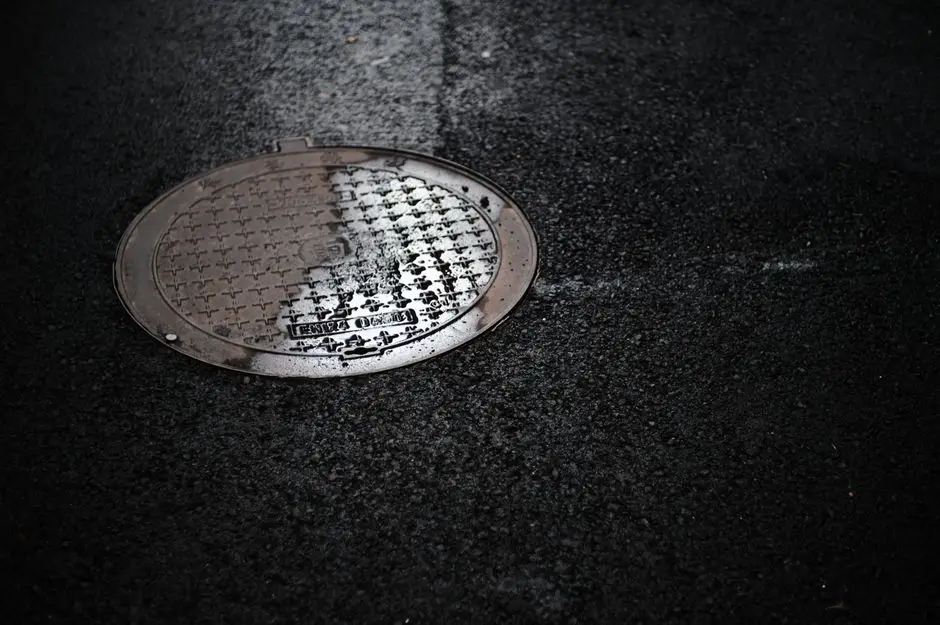
Close-up of a wet manhole cover on a rainy urban street, reflecting light.
Licensed Licensed & Bonded
Fully Insured Insured & Bonded
24/7 Emergency Same-Day Response
Warranty Backed Workmanship Guaranteed

What Sewer Backup Cleanup Includes

Our work covers assessment, contaminated-water extraction, removal of unsalvageable porous materials, cleaning, disinfection, and drying checks within the affected area. We explain the difference between cleanup and repairs to the sewer line, plumbing, or building finishes before those tasks proceed. Your plan is based on where sewage traveled, what materials it contacted, and what can be safely retained.

Initial Contamination Assessment

We identify the affected rooms, likely entry point, water depth, and materials contacted. The inspection also checks access and immediate safety concerns. We use those findings to set containment and extraction priorities, rather than treating every basement backup as the same size or type of loss.

Water and Debris Extraction

We remove standing sewage and loose debris with equipment suited to the depth and room layout. Extraction is followed by removal of residues that can remain around floor drains, wall edges, and utility equipment. If the source is still active, we address safe access and the need for plumbing intervention.

Cleaning and Disinfection

After visible soil is removed, we clean suitable hard surfaces and apply appropriate disinfectants in line with product-label directions. We observe required contact time and avoid applying products indiscriminately to materials they are not designed to treat. Porous items that cannot be reliably cleaned are removed.

Drying and Moisture Checks

We use moisture readings to track retained materials and position air movers or dehumidifiers where they can help. Follow-up checks guide drying progress and help identify damp areas that need attention. Rebuilding should wait until affected materials are clean and dry enough for the next work phase.

Sewer Backup Cleanup in Pennsylvania: What It Covers


Sewer Backup Cleanup in Pennsylvania is a water damage restoration service that removes sewage-contaminated water and cleans and disinfects affected building materials after a drain or sewer line backup. We first identify the source and affected areas, then extract standing water, remove materials that cannot be safely cleaned, and treat suitable surfaces with appropriate disinfectants. Moisture readings guide drying, while a final inspection checks concealed edges and low spots. The work addresses contamination and moisture; a plumber may also need to repair the underlying sewer line or plumbing fault.

Across Pennsylvania, heavy rain, freeze-thaw cycles, aging plumbing, and sump pump failure can all contribute to basement flooding or sewer backup. A floor drain that bubbles after a storm, a toilet that will not clear, or sewage staining along a foundation deserves prompt attention. We provide sewage backup cleanup in Pennsylvania for affected homes and buildings, including professional extraction after a basement sewer backup Pennsylvania property owners need before odors and moisture spread. Keep people and pets away from the affected room until it has been assessed.

What to Expect During Cleanup

Sewer backup cleanup in Pennsylvania starts with a site assessment and ends with documented drying checks, not just a drained floor. We explain each work phase, protect unaffected areas, and keep you informed about access and material removal. Small, contained losses may take one day for extraction and cleaning; drying and rebuilding take longer.

01

Schedule

Call or book online — a real human picks up and confirms a 2-hour arrival window.

02

Diagnose

Licensed tech inspects on-site, then walks you through the cause and your options.

03

Fix

The job is completed to code and done right the first time — no shortcuts, no surprises.

04

Guarantee

Every job backed by a written workmanship warranty — and we stand behind it.

Equipment and Cleanup Methods

Tools & Equipment

Submersible water pumps

We use pumps to remove deeper standing water from accessible basement areas before detail extraction and cleaning. The pump is selected and positioned to avoid spreading debris into unaffected rooms.

Truck-mounted extraction units

These units provide high-capacity extraction for larger affected areas and help remove water after bulk pumping. We follow with surface cleaning because extraction alone does not remove sewage residue.

Moisture meters

Moisture meters check retained materials and help locate damp sections that need additional drying. We compare readings during the job rather than declaring a room dry based only on touch or appearance.

HEPA air scrubbers

When the work plan calls for air filtration, HEPA air scrubbers help capture airborne particles within the controlled work area. They supplement containment and cleaning; they do not replace removal of contaminated materials.

Methods & Standards

Controlled extraction and material removal

We separate contaminated areas from unaffected space where practical, extract water, and remove porous materials that cannot be cleaned safely. The amount removed follows the observed contamination and moisture pattern. Cleanable materials remain only when their condition supports effective cleaning and drying.

Clean, then disinfect

Our technicians first remove sewage soil and residue from suitable surfaces, then apply disinfectants in accordance with the product label. This sequence matters because soil can interfere with treatment. We observe application directions and contact time and use appropriate protective equipment during the work.

Measured structural drying

We place air movers and commercial dehumidifiers to move moisture from retained materials, then check progress with moisture meters. Drying commonly takes two to five days, but the readings and material type determine when the area is ready for repair. We adjust equipment when readings show slow-drying pockets.

When to Call for Sewer Cleanup

01

A basement floor drain bubbles during a storm and releases foul-smelling water across the utility room.

What we do: We assess whether the flow has stopped, keep the work area controlled, and extract contaminated water. The crew removes affected debris, cleans suitable surfaces, and checks nearby wall bases and stored-item areas. We also tell you when a plumber needs to inspect the line before the drain is used again.

→ You get a cleaned, drying work area and a clear distinction between restoration needs and the plumbing repair needed to address the source.

02

A toilet or laundry drain backs up into a finished basement, soaking carpet, padding, and lower drywall.

What we do: We remove contaminated carpet and padding where they cannot be cleaned, then assess the drywall and insulation for contamination and moisture. Hard surfaces are cleaned and disinfected, and drying equipment is positioned for retained materials. We document what must be removed before reconstruction begins.

→ Contaminated porous materials are removed instead of covered, while suitable structural materials are cleaned and dried for the next repair phase.

03

A sewer backup occurs overnight in a rental property, with tenants reporting standing water and a strong odor.

What we do: Our team identifies the affected rooms and safe access route, extracts water, and separates tenant belongings from contaminated debris. We communicate the work sequence to the property contact and check moisture after cleaning. If active flow or a damaged line is suspected, we flag the need for plumbing service.

→ The property owner receives a documented cleanup status and practical next steps for occupant access, plumbing repair, and restoration.

How Cleanup Works Across Pennsylvania

Pennsylvania's mix of older urban basements, newer finished lower levels, and rural properties changes how a sewer loss is handled. In older buildings, floor drains, masonry walls, and several generations of plumbing can complicate access; finished basements require careful removal so contaminated drywall and insulation are not left behind. November brings freeze risk and wet-weather drainage loads, while winter freezes, spring thaw, and intense summer storms create different pressures on sewer and sump systems. We assess the actual source rather than assuming every wet basement is sewage. For sewage-contaminated basement cleanup Pennsylvania property owners need, we isolate the affected area, extract water, clean suitable materials, and check moisture before repairs. We follow applicable product-label directions and safety practices, and we distinguish restoration work from plumbing or sewer-line repairs. If the backup involves a shared building drain or an apparent municipal connection, we recommend contacting the appropriate plumbing or sewer authority while we handle the interior cleanup.

Neighborhoods We Serve

  • Bethlehem

    Older basements and finished lower levels call for checking wall bases, utility areas, and floor drains after a backup, not just extracting the visible water.

  • Bethel Park

    Sloped lots and storm-driven drainage can put pressure on lower-level drains; we assess whether the event involves sewage, groundwater, or both.

  • New Castle

    Mixed building ages mean the crew checks the specific floor and wall materials before deciding what can be cleaned or should be removed.

  • Coatesville

    In homes with finished basement rooms, selective removal and moisture checks help keep contamination from being sealed behind replacement materials.

Local Conditions We Plan For

  • Freeze-thaw cycles stress older basement drains and plumbing connections

    Frozen or shifting lines can contribute to backups and leaks. We check whether water is still entering and identify when a plumber should investigate the line before cleanup equipment is removed.

  • Heavy rain can overload drainage and trigger a floor drain backup

    Stormwater and sewage may appear together, so the water source must be assessed before choosing a cleaning method. We treat sewage as contaminated and do not classify a loss by appearance alone.

  • Finished lower levels hide moisture behind trim and wallboard

    A dry-looking floor does not confirm that lower drywall or insulation is clean and dry. We inspect wall edges, take readings, and remove affected porous materials where cleaning cannot be verified.

Floor Drain Backup After Rain

Before

Sewage spread from a basement floor drain across the utility area and reached cardboard storage boxes. The homeowner had switched off access to the room but had not moved anything through the clean hallway. A strong odor remained after the visible water was removed with a household pump.

After

We extracted the remaining water, removed contaminated boxes and unsalvageable porous materials, and cleaned suitable hard surfaces. The affected work zone was about 120 square feet, and follow-up moisture checks guided drying over three days. The homeowner had a clear list of plumbing and repair steps before using the room again.

Maintenance: Keep floor drains clear and avoid storing cardboard directly on basement floors. After heavy rain, check for bubbling drains or unusual odors. Arrange plumbing inspection if the backup repeats, because cleanup does not correct a blocked or damaged sewer line.

Before

A drain backup affected carpet, padding, and the lower edge of a finished wall. The carpet looked manageable once the water was gone, but sewage had reached the backing and wall materials. The room could not safely return to use until contaminated materials were addressed.

After

Our crew removed contaminated carpet and padding, opened the affected lower wall section, and cleaned the exposed suitable surfaces. Moisture readings tracked drying for four days, and the homeowner could see the measured areas before replacement drywall and insulation were installed. The cleanup separated material removal from reconstruction.

Maintenance: Have the drain line checked before replacing finishes, and keep photographs and cleanup records with the repair paperwork. Avoid installing new carpet or drywall over damp materials. If the drain backs up again, stop using connected fixtures and call for prompt assessment.

Before

A rental property's utility-room floor drain released sewage around stored maintenance supplies. The water reached the base of a nearby wall, and tenants reported a persistent odor. The property contact needed the affected area assessed before deciding when the room could be used.

After

We removed contaminated debris, extracted the water, cleaned and disinfected suitable surfaces, and set drying equipment. Readings were checked during a two-day drying period, and the property contact received a summary of affected materials and source-repair needs. The work area was ready for the next repair step after cleaning and drying.

Maintenance: Keep supplies on raised shelving rather than directly on the floor, and maintain access to the floor drain and shutoffs. Record any repeat backup and report it quickly. Have the underlying plumbing issue repaired before returning the room to normal use.

Problems Solved by Basement Sewer Cleanup

A sewer backup leaves more than a wet floor: contaminated residue can reach stored belongings, wall bases, and utility spaces. Our team removes the affected water and materials, cleans surfaces that can be retained, and checks moisture before repair. If you are asking how to safely clean up a basement sewer backup?, the safest first move is to keep people and pets out.

Problem

Sewage pooled around a basement floor drain after heavy rain

The contaminated water can spread under stored items and into floor seams, leaving residue and persistent odor even after the visible pool disappears.

Our Fix

We isolate the affected area, extract standing water, and remove debris and materials that cannot be cleaned reliably. Our crew cleans suitable flooring and nearby hard surfaces, then checks the edges and low points where residue collects. We also note whether a continuing drain or sewer problem needs a plumber before the room returns to use.

Problem

Sewage-soaked drywall and insulation remain damp behind finished walls

Moisture and contamination can remain concealed after the floor looks dry, affecting materials and creating conditions for mold growth after flooding.

Our Fix

We inspect lower wall sections and use moisture readings to guide selective removal. Contaminated drywall and insulation that cannot be restored are taken out, while sound framing is cleaned as appropriate and dried. You see the affected cut line and the reason for removal, so the repair can begin on a clean, verified surface.

Problem

Basement odor persists after an incomplete do-it-yourself pump-out

Residual sewage film in corners, floor joints, or porous materials continues to smell and can expose occupants to contamination when the room is used.

Our Fix

We locate remaining residues, remove contaminated debris, and clean before disinfecting. Applying disinfectant over soil does not replace cleaning, so our technicians address the visible film and follow product-label contact times. We then ventilate and dry the space, checking materials rather than relying on odor alone as proof of completion.

Cleaner, Safer Basement Recovery

Cleaner, Safer Basement Recovery

Our cleanup follows a practical sequence: control access, remove contaminated water, clean affected surfaces, and dry materials that can be retained. You get clear information about what is salvageable and what needs removal, rather than a quick pump-out that leaves contaminated residue in seams, corners, or porous materials.

  • Contamination Removed

    We extract sewage water and remove contaminated debris using equipment suited to the affected area. In a small utility room, that may mean controlled extraction and detail cleaning; a larger finished basement needs a broader containment and material-removal plan. The objective is to remove visible waste and clean accessible surfaces before drying starts.

  • Moisture Checked

    Moisture meters help us check floors, wall edges, and remaining materials instead of relying on appearance alone. A surface that looks dry can still hold moisture behind trim or beneath flooring. We use readings to direct air movers and commercial dehumidifiers and to decide when drying has reached a practical endpoint.

  • Salvage Decisions Made

    You receive a room-by-room explanation of which hard surfaces can be cleaned and which porous items should be removed. Carpet padding, saturated insulation, and sewage-soaked drywall often require disposal, while sound masonry or sealed concrete may be cleaned. That distinction limits unnecessary demolition without leaving contaminated material in place.

  • Next Steps Coordinated

    Cleanup does not correct a broken lateral or municipal sewer issue, so we identify conditions that need plumbing attention before the space is rebuilt. We can document affected materials and drying readings for your records. Once the area is clean and dry, replacement drywall and insulation can be planned without trapping moisture.

Training and Safety Practices

Licensed & Certified

  • Water Damage Restoration Technician — issued by Institute of Inspection, Cleaning and Restoration Certification
  • Applied Structural Drying — issued by Institute of Inspection, Cleaning and Restoration Certification
  • Applied Microbial Remediation Technician — issued by Institute of Inspection, Cleaning and Restoration Certification
  • OSHA Hazard Communication Standard — issued by Occupational Safety and Health Administration

Verified Reviews

Customer feedback Not published

A homeowner described a basement drain backup after rain and said the crew explained why some drywall had to be removed. The team extracted water, cleaned the hard floor, and checked moisture again before leaving. The homeowner valued knowing which next steps belonged to plumbing repair rather than cleanup.

Customer feedback Not published

A property owner reported sewage around a utility sink and a persistent odor. The cleanup included removal of contaminated materials, cleaning, disinfection, and drying equipment. The owner said the crew explained what could be retained and why the plumbing source still needed attention.

Customer feedback Not published

A family facing a basement sewer backup said the crew kept them out of the affected room and clearly described the extraction and drying process. Follow-up moisture checks helped them understand when repairs could start, rather than relying on the floor simply feeling dry.

Field Knowledge and Training

Sewage carries a different risk than a clean-water pipe leak, so our work plan accounts for contamination, material porosity, and safe disposal. Our technicians use restoration principles associated with IICRC Water Damage Restoration Technician (WRT) training and apply controlled cleaning and drying practices to each loss. We do not claim a fixed number of years or completed jobs; our focus is a documented process, suitable protective equipment, and honest decisions about what can be retained. You can ask us to explain each reading and removal decision as the job progresses.

  • We assess contamination and moisture together, distinguishing sewage cleanup from ordinary groundwater seepage or a clean appliance leak.
  • Our crew uses moisture readings and visual inspection to guide drying instead of relying on a set number of fan-hours.
  • We follow the OSHA Hazard Communication Standard when handling cleaning products and communicating chemical hazards on site.
  • Disinfectant use follows EPA Registered Antimicrobial Pesticide Label Compliance, including the label's application and contact-time instructions.
  • We discuss repair work and Pennsylvania Home Improvement Contractor Registration where applicable before restoration work moves beyond cleanup.
Get Started Today
Field Knowledge and Training

Sewer Backup Cleanup Questions

Real answers to the questions we hear most often from local homeowners and property managers.

Is basement sewage dangerous to clean up in Pennsylvania?
Yes; sewage can contain harmful microorganisms, so keep people and pets out and use trained cleanup workers with appropriate protective equipment. Do not vacuum, sweep, or handle contaminated belongings yourself. We assess the affected area, remove contaminated water and materials, and clean suitable surfaces with label-compliant products. If sewage has reached electrical outlets or appliances, do not enter the room until the electrical hazard has been assessed.
How soon should sewer backup cleanup begin?
Begin containment and professional assessment as soon as the backup stops, ideally within 24 hours. Faster extraction reduces the time sewage contacts flooring, wall materials, and belongings, though contamination still requires proper cleaning. If water is actively entering, avoid contact and call for urgent help; the source may need a plumber or sewer authority. Drying commonly takes two to five days after extraction, depending on materials and conditions.
Does sewer backup cleanup include disinfection?
Yes, cleanup includes cleaning and disinfecting suitable affected surfaces after sewage and soil are removed. We use products according to their EPA-registered label, including required dilution, application method, and contact time. Porous materials that cannot be reliably cleaned, such as saturated insulation or contaminated drywall, are removed instead. Sewer water extraction and sanitizing Pennsylvania work also includes moisture checks so damp materials do not remain hidden behind finished surfaces.
What should I do after a basement sewer backup in Pennsylvania?
Keep everyone out, avoid touching contaminated water, and call for professional assessment immediately. If water is near electrical equipment, do not enter; have the hazard addressed safely. Do not run a household vacuum or move sewage-soaked belongings through clean areas. Take photos from a safe location, note when the backup began, and contact your plumber or sewer provider if the drain is still backing up. We can then assess extraction and cleaning needs.

Related Water Damage Services

Basement Water Removal

When sewage is not the only water source, our basement water removal work addresses standing water from plumbing leaks, groundwater, or other incidents. We identify the water type first, then choose extraction and cleaning methods suited to the contamination level and affected materials.

View Basement Water Removal

Basement Flood Cleanup

Floodwater can carry soil and debris into a basement and leave moisture in flooring and lower walls. We extract the water, remove debris, clean affected surfaces, and check retained materials for moisture. If a sewer line is also involved, we treat that contamination separately.

View Basement Flood Cleanup

Emergency Basement Water Extraction

For a rapidly filling basement, emergency extraction removes standing water before it spreads through adjoining rooms. We assess access and hazards, use pumps or extraction units suited to the depth, and follow extraction with cleaning and drying. Sewage requires contamination controls beyond ordinary water removal.

View Emergency Basement Water Extraction

Basement Flood Damage Restoration

After contaminated water is removed and the space is dry, restoration can address damaged drywall, insulation, trim, and flooring. We identify what needs replacement and coordinate the sequence so repairs do not cover damp or contaminated materials. Plumbing source repairs remain a separate step when needed.

View Basement Flood Damage Restoration

Sump Pump Failure Cleanup

A failed sump pump can leave groundwater standing in a basement, particularly during heavy rain or a rapid thaw. We remove accumulated water, inspect the affected floor and lower walls, and dry retained materials. If sewage is present, we switch to the appropriate contaminated-water procedure.

View Sump Pump Failure Cleanup

Storm and Heavy Rain Flood Cleanup

Heavy rain can overwhelm drainage and push stormwater into lower levels. Our cleanup removes water and debris, checks for contamination, and dries affected materials. If a floor drain backs up with sewage during the storm, we use sewer-specific containment and disinfection rather than treating it as clean rainwater.

View Storm and Heavy Rain Flood Cleanup

Call for Sewer Backup Cleanup in Pennsylvania

Tell us where the sewage entered, whether it is still flowing, and which rooms are affected. Our team will discuss the next response step and upfront pricing. Call our 24/7 emergency line at +18668968166 for help with contaminated water in your basement.

Call Now Call for Cleanup

Contact Our Referral Line

Call Pennsylvania Basement Water Removal Pros at +1 866-896-8166 to describe the flooding and request a connection with an independent local company. Our phone line accepts urgent requests around the clock. Have your municipality, water source, approximate depth, and any safety concerns ready; those details help us route your request across Pennsylvania.

Or call us right now at +18668968166 — we answer.

Pennsylvania Basement Water Removal Pros


  • Phone

    +18668968166
  • Address

    Pennsylvania

  • Hours

    Mon–Fri: 7AM – 7PM
    Sat: 8AM – 4PM
    Sun: Emergency Only
    24/7 Emergency Available

Call +18668968166 Get Quote
Call Quote