
Logo
Get Estimate

Basement Water Removal in Pennsylvania for Flooded Homes

Get standing water pumped out and damage under control


Basement Water Removal in Pennsylvania helps homeowners and property managers deal with storm flooding, pipe leaks, sump pump failure, and sewer backup. We pump out water, check affected materials, and set drying equipment to limit moisture damage and mold growth after flooding. If water is covering outlets, stay out of the basement and call for help; electrical safety comes before cleanup.

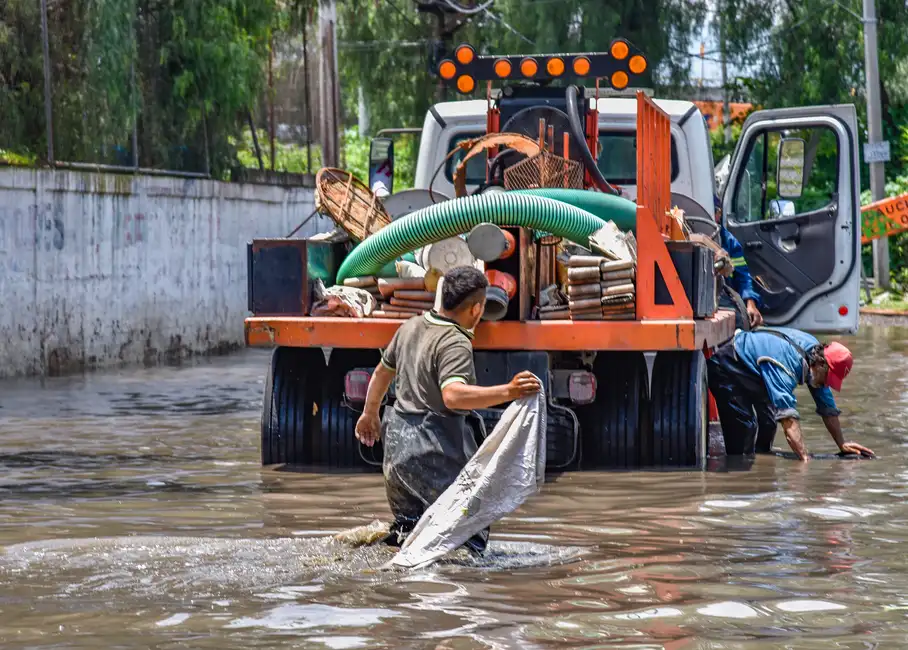
Workers wading through floodwaters near a truck, managing a city crisis after heavy rain.
Licensed Licensed & Bonded
Fully Insured Insured & Bonded
24/7 Emergency Same-Day Response
Warranty Backed Workmanship Guaranteed

What Basement Water Removal Includes

Basement Water Removal covers the urgent work needed to control water and begin drying: safety review, source assessment, extraction, moisture checks, and equipment placement. We explain if contaminated water, damaged building materials, plumbing repairs, or structural waterproofing calls for additional work. You get a practical distinction between immediate mitigation and later repairs, rather than a promise that pumping alone fixes every cause.

Water Source Assessment

We inspect visible water entry and ask about recent plumbing, appliance, storm, or sump pump problems. Identifying the source helps determine whether water is still entering and whether the cleanup involves clean supply water or contamination.
Standing Water Extraction

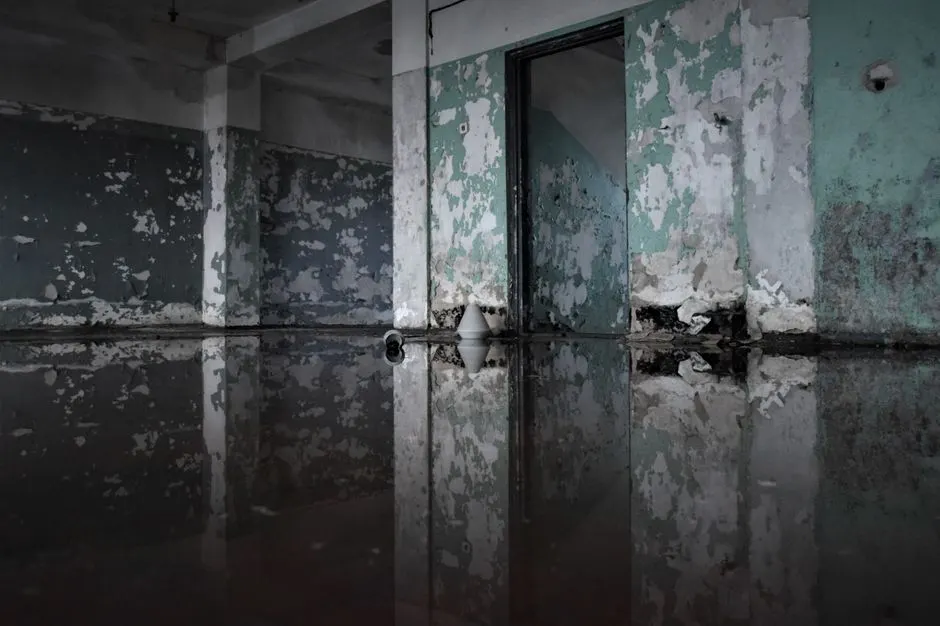
We use pumps and extraction equipment to remove accessible water from floors, pits, and low spots. Equipment selection depends on depth, debris, and access. We work carefully around stored belongings and utilities when the area is safe to enter.

Moisture Inspection

We check affected flooring, wall edges, and other materials for moisture that remains after pumping. Readings help determine where air movement is needed and whether porous materials are too damaged or contaminated to keep.

Drying Equipment Setup

Air movers and dehumidifiers are positioned to circulate air and draw moisture out of the room. We explain operating conditions, equipment placement, and the reason for follow-up readings so you know how drying is progressing.

Cleaning Guidance

When surfaces need cleaning, we select appropriate products and follow their label directions. Sewer water and other contaminated sources require extra care; we identify affected materials and explain the cleanup steps before treating the area.

Basement Water Removal in Pennsylvania Explained


Basement Water Removal in Pennsylvania is an emergency water mitigation service that removes accumulated water and begins drying after a basement flood, leak, or backup. We identify the water source, assess depth and contamination, then use pumps or extraction equipment suited to the conditions. After pumping, moisture meters help locate water held in drywall, framing, and flooring. The goal is to remove standing water promptly, reduce further damage, and give you a clear next step for drying or repair.

Pennsylvania homes face different water problems through the year: winter freeze-thaw cycles can stress pipes, spring rain raises groundwater, and summer storms can overwhelm drainage. Older stone foundations, finished basements, and newer below-grade rooms each need a different approach. Our Pennsylvania basement water removal team handles leaks and stormwater intrusion, and we explain how to remove standing water from a Pennsylvania basement without walking into electrical or sewage hazards.

What Happens During Cleanup

Basement water extraction in Pennsylvania follows a clear sequence: make the area safe, locate the water source, remove standing water, then monitor drying. We keep you informed at each stage and explain what needs immediate attention.

01

Schedule

Call or book online — a real human picks up and confirms a 2-hour arrival window.

02

Diagnose

Licensed tech inspects on-site, then walks you through the cause and your options.

03

Fix

The job is completed to code and done right the first time — no shortcuts, no surprises.

04

Guarantee

Every job backed by a written workmanship warranty — and we stand behind it.

Tools and Water Removal Methods

Tools & Equipment

Submersible water pumps

We use pumps to move deeper standing water from basement floors and sump areas. Pump capacity and placement depend on debris, water depth, and a safe discharge route.

Truck-mounted extraction units

These units support high-volume water removal when a basement has extensive flooding. We plan hose access and placement to reach the affected area without unnecessary disruption to your home.

Moisture meters

We use moisture meters to check building materials after extraction. Readings help locate damp drywall, flooring edges, and framing that may need continued drying or removal.

Commercial dehumidifiers

Commercial dehumidifiers remove moisture from basement air during the drying phase. We pair them with air movement and explain how the setup supports drying over the following days.

HEPA air scrubbers

When conditions call for additional air filtration, HEPA air scrubbers help manage airborne particles during cleanup. Equipment choice depends on the water source and the work taking place.

Methods & Standards

Source-first mitigation

We identify and stop active water entry before relying on extraction alone. That may mean isolating a plumbing leak, checking a failed sump system, or identifying stormwater intrusion. Removing water while inflow continues wastes time and risks a second flood.

Measured moisture assessment

After pumping, we inspect affected materials and use readings to guide drying decisions. We compare wet areas with nearby unaffected surfaces and focus equipment where moisture remains. This approach helps avoid relying only on touch or appearance.

Controlled drying

We position air movers and dehumidifiers to circulate air through the affected space and remove moisture from the environment. Equipment placement depends on room layout, materials, and safe access. Follow-up checks show whether the basement is drying as expected.

Contamination-aware cleanup

We treat water from a sewer backup differently from a clean supply line leak. The team assesses exposure, isolates affected areas as needed, and follows cleaning product directions. Porous materials that cannot be safely cleaned are identified for removal.

When to Call for Water Removal

01

A frozen pipe breaks overnight and water reaches the basement before you find the shutoff.

What we do: Call us once the water supply is shut off safely. We assess electrical risks, remove standing water, and check the areas beneath the leak for moisture. If water is near outlets or equipment, do not enter; tell us where it has reached so we can plan safe access.

→ The immediate water is removed, affected materials are identified, and you have a clear drying plan while the plumbing repair is handled.

02

Heavy rain overwhelms a sump system and water enters through the floor or foundation seam.

What we do: We pump the basement, inspect the sump pit and visible entry points, then check low areas for residual water. If the inflow continues, we identify the likely source and explain what needs attention after the emergency extraction.

→ You regain usable floor space sooner and know whether the problem is a one-time storm event or a recurring drainage concern.

03

A water heater or washing machine leaks while the basement is unattended.

What we do: We remove water around the appliance and check how far it traveled beneath nearby flooring or against walls. Moisture readings guide drying placement, while the appliance or plumbing repair stops the source from adding more water.

→ The wet area is mapped instead of judged by its visible edge, helping you avoid leaving trapped moisture under a floor or behind a baseboard.

04

A sewer line backs up and leaves dark water, debris, or strong odors in the basement.

What we do: Keep people and pets away and call for sewer backup cleanup. We assess contamination, extract the water with appropriate equipment, and identify porous items and materials that need removal. Surfaces are cleaned with products used according to label directions.

→ The contaminated water is handled as a health concern, not treated like a clean pipe leak, and the affected area is prepared for proper cleanup.

How Basement Water Removal Works Locally

Basement Water Removal in Pennsylvania has to account for sharply changing weather and varied building stock. As November brings freezing nights, a small pipe leak can become a full basement flood; winter freeze-thaw cycles also stress exterior lines and foundation joints. Spring rain and saturated soil raise groundwater, while summer storms can send runoff through window wells and low entrances. Older homes may have stone or brick foundations, while finished suburban basements often conceal moisture behind drywall and flooring. We adjust extraction and drying to the structure, water source, and access available. Pennsylvania basement water extraction starts with safe entry and a source check, then pumps, moisture readings, and drying equipment. If you need emergency basement dewatering in Pennsylvania, tell us whether the water is clean, muddy, or sewage-related and how deep it stands. Pennsylvania Home Improvement Contractor Registration applies to covered home improvement work; we keep mitigation decisions distinct from repair work and explain the next step plainly.

Neighborhoods We Serve

  • Center City Philadelphia

    Row homes and narrow stairwells can limit equipment access, so we plan hose routing and extraction placement before moving gear through finished living areas.

  • South Philadelphia

    Attached homes and compact utility basements need careful protection of stored belongings and clear access to floor drains, shutoffs, and sump equipment.

  • Downtown Wilkes-Barre

    Older foundations and heavy rain can combine to create seepage at wall-floor joints; we inspect low corners after pumping for residual moisture.

  • Lansdale residential areas

    Finished lower levels often hide water beneath flooring or behind baseboards, making measured moisture checks important after visible water is gone.

Local Conditions We Plan For

  • Freeze-thaw weather increases winter pipe and foundation stress

    A leak can start above the basement and travel through ceilings or wall cavities before collecting on the floor. We check the path of water, not just the puddle, and prioritize safe access when electrical equipment is nearby.

  • Spring rainfall raises groundwater around below-grade foundations

    Persistent seepage may continue after the first pump-out, especially where drainage is limited. We note active entry points and distinguish emergency extraction from follow-up drainage or waterproofing work.

  • Summer thunderstorms drive runoff toward window wells and low doors

    Fast-moving stormwater may carry soil and debris into the basement. We assess contamination and sediment before selecting extraction equipment, then check floor edges where muddy water can remain.

Sump Failure After Heavy Rain

Before

A homeowner found about 3 inches of water across a basement utility area after the sump pump stopped during heavy rain. Cardboard boxes were wet, water had collected near the pit, and the lower wall edges felt damp. The immediate concern was removing water before more belongings and finishes were affected.

After

We extracted the standing water, checked the sump area and nearby walls, and set drying equipment in the affected zone. The floor was cleared of pooled water, and readings identified dampness at the baseboards for follow-up. The homeowner had a defined drying plan and knew which materials needed closer inspection.

Maintenance: Keep the sump pit clear, test the pump according to its manufacturer instructions, and check that discharge piping remains unobstructed. After major storms, inspect the basement corners and note any new seepage before it spreads.

Before

A loose washing machine hose released water while the family was asleep. Water crossed part of the basement floor and reached the edge of finished flooring, but the visible puddle did not show how far moisture had traveled underneath. The appliance was shut off before extraction began.

After

We removed the surface water and checked the floor perimeter and lower wall sections with moisture meters. Drying equipment was placed to address the affected area, and the family received clear guidance on what needed monitoring. The visible floor was no longer covered in water, and hidden damp areas were mapped.

Maintenance: Inspect appliance hoses and connections regularly, replace worn parts promptly, and know where the shutoff is located. If a leak happens, stop the source safely and call before trapped water reaches adjacent rooms.

Before

Heavy rain pushed muddy water through a basement window well and left debris near the wall. The water level was shallow but spread along a finished room's perimeter, leaving damp carpet edges and a musty smell. The entry point needed attention as well as extraction.

After

We removed pooled water and debris, assessed the affected carpet edge and wall materials, and checked moisture beyond the visible wet line. The homeowner could see which areas needed drying and which required repair planning. The basement was left without standing water and with a clear response to the entry route.

Maintenance: Keep window wells clear of leaves and check drainage before seasonal storms. Look for loose covers, blocked drains, or recurring seepage, and address the entry route so the same runoff does not return.

Problems Solved by Timely Water Removal

Standing water does not stay confined to the floor. It can wick into baseboards, soak stored items, and leave moisture behind finished walls. We remove the water, assess what it touched, and help you reduce the chance of lingering odor, material damage, and mold growth after flooding.

Problem

Sump pump failure leaves several inches of water overnight

Stored belongings, finished flooring, and lower wall sections absorb water. If the pump failure is not addressed, incoming groundwater can refill the basement before drying starts.

Our Fix

We pump out the basement and inspect the sump area, discharge path, and affected materials. We check whether the pump is operating and note visible concerns with check valves or discharge piping. Once the source is controlled, we extract residual water and set a drying plan that fits the room.

Problem

Sewer backup spreads contaminated water across the floor

Contaminated water can expose household members and pets to harmful material, while porous items and surfaces may remain unsafe even after the visible water is gone.

Our Fix

We keep the affected area controlled, assess the source, and use appropriate extraction and cleaning procedures. Our team identifies porous materials that need removal and treats suitable surfaces with products used according to label directions. Do not enter or handle belongings until the area has been assessed.

Problem

Groundwater seeps through foundation joints after rain

Repeated seepage can dampen stored goods and wall finishes, encourage musty odors, and increase moisture in the basement even when no single storm appears severe.

Our Fix

We remove pooled water, trace visible entry points, and measure moisture around the affected area. We distinguish immediate extraction from longer-term drainage or waterproofing work. That gives you a clear cleanup result and helps identify whether recurring hydrostatic pressure needs a separate remedy.

Problem

Burst pipe sends water under finished basement flooring

Water can spread beyond the visible puddle and stay trapped beneath flooring or inside wall cavities, increasing repair needs if drying is delayed.

Our Fix

After the water supply is stopped, we extract floor water and inspect nearby materials with moisture meters. We identify areas where flooring or drywall needs further attention and set airflow to support drying. If the leak is still active, we coordinate the next step with the plumbing repair.

A Dry Basement, With Less Damage

A Dry Basement, With Less Damage

Getting water out is only the first part of the job. We also look for the source, identify wet materials, and set up drying so you are not left guessing about what happens next.

  • Water Out Faster

    Submersible pumps and truck-mounted extraction units move water far faster than household wet/dry vacuums when a basement holds several inches. We match the equipment to the water depth and access, then check low spots and floor drains before moving on. That first pass reduces the time water sits against finished flooring and stored belongings.

  • Hidden Moisture Found

    A dry-looking wall can still hold moisture behind paint or at the bottom plate. We use moisture meters and targeted inspection to find wet areas that need airflow or material removal. You get a clearer picture of what is damp, what is drying, and where the next check should happen.

  • Safer Cleanup Decisions

    Water from a clean supply line is not handled like a sewer backup. We assess the source and visible contamination before choosing extraction and cleaning methods. For affected surfaces, we use appropriate disinfectants and antimicrobial cleaners according to product directions, protecting your household from unsafe mixing or casual cleanup.

  • A Practical Drying Plan

    Once water is removed, air movers and commercial dehumidifiers support controlled drying. We explain where equipment goes, what noise to expect, and when readings should be checked again. If basement water extraction in Pennsylvania reveals damaged drywall or insulation, we identify those materials for the repair stage rather than masking the issue.

Training and Work Standards

Licensed & Certified

  • Water Damage Restoration Technician — issued by Institute of Inspection, Cleaning and Restoration Certification
  • Applied Structural Drying — issued by Institute of Inspection, Cleaning and Restoration Certification
  • OSHA Hazard Communication Standard — issued by Occupational Safety and Health Administration
  • Pennsylvania Home Improvement Contractor Registration — issued by Pennsylvania Office of Attorney General

Verified Reviews

Customer feedback Not stated

A Philadelphia homeowner described a basement pipe leak that was pumped out and checked for moisture at the wall edges. The crew explained where drying equipment was placed and what to monitor, making the next steps clear after the visible water was gone.

Customer feedback Not stated

A Wilkes-Barre resident reported that stormwater had collected near the sump pit. The team removed the water, inspected the affected corners, and explained how to watch for seepage after the next heavy rain.

Customer feedback Not stated

A homeowner in Ephrata described an appliance leak that spread under flooring. Extraction and moisture checks helped identify the wet area beyond the visible puddle, and the drying plan was explained before equipment was set.

Practical Restoration Knowledge

Basement water removal takes more than a pump and a wet floor. Our technicians assess water category, building materials, moisture movement, and safe equipment placement before recommending the next step. Training relevant to the work includes IICRC Water Damage Restoration Technician (WRT) principles and the OSHA Hazard Communication Standard for handling cleaning products. We apply the method to the actual basement, whether you have a stone foundation, finished walls, or a utility room with a floor drain. You get direct explanations and practical decisions, not a one-size-fits-all drying setup.

  • We distinguish clean supply water from sewage or outdoor floodwater before selecting extraction and cleaning procedures.
  • Moisture readings guide drying decisions in drywall, framing, flooring, and other affected materials.
  • Technicians plan safe routes for hoses, cords, and equipment through narrow stairs and occupied homes.
  • We identify active plumbing leaks and sump pump concerns that could refill the basement during cleanup.
  • Cleaning products are used according to label directions, including EPA Registered Antimicrobial Pesticide Label Compliance.
Get Started Today
Practical Restoration Knowledge

Basement Water Removal Questions

Real answers to the questions we hear most often from local homeowners and property managers.

How does basement water removal work in Pennsylvania?
Basement water removal starts with a safety and source check, followed by pumping, extraction, material assessment, and drying setup. We determine whether the water came from a pipe, stormwater, groundwater, or sewage because that changes the cleanup method. A small accessible basement can take a few hours to pump, while drying commonly takes 3 to 5 days. We use moisture readings to track affected areas and explain the next steps.
How much does basement water extraction cost in Pennsylvania?
A straightforward pump-out often costs about $500 to $1,500, while extensive extraction and drying can range from $1,500 to $5,000 or more. These are typical 2026 planning ranges, not a fixed quote. Water depth, contamination, access, damaged materials, and equipment time affect the total. We explain the price before work proceeds, so you can understand what the immediate removal includes and what repair work would follow.
How quickly can you remove standing water from my basement?
We can often begin emergency extraction within hours of a call, and a small basement may be pumped in 2 to 4 hours. Larger rooms, deep water, debris, or difficult access add time. If water is near electrical equipment, do not enter or touch switches; tell us that when you call. We will prioritize safe access, stop active inflow where possible, and choose equipment suited to the volume.
Is professional basement dewatering necessary after a flood?
Professional basement dewatering is important when water is deep, contaminated, still entering, or soaked into walls and flooring. A household vacuum cannot safely handle every volume or water category, and hidden moisture can persist after the floor looks dry. We assess the source, remove standing water, and measure affected materials. After a sewer backup, avoid contact and keep people and pets out until proper cleanup begins.

Related Water Damage Services

Basement Flood Cleanup

Basement Flood Cleanup follows water removal when mud, residue, or contaminated materials remain. We clean affected surfaces, handle water-damaged contents as appropriate, and support drying. If your flood involved stormwater or a backup, cleanup addresses what pumping alone cannot remove.

View Basement Flood Cleanup

Emergency Basement Water Extraction

Emergency Basement Water Extraction is the rapid pump-out response for active flooding, burst pipes, and failed sump systems. We remove standing water with equipment suited to the depth and access, then check for remaining moisture. Call promptly when water is still rising.

View Emergency Basement Water Extraction

Basement Flood Damage Restoration

Basement Flood Damage Restoration addresses repairs after extraction and drying, including replacement drywall and insulation where water has compromised materials. We identify damaged areas during mitigation so you can plan the repair phase without covering damp surfaces or leaving affected materials in place.

View Basement Flood Damage Restoration

Sump Pump Failure Cleanup

Sump Pump Failure Cleanup removes water after a failed pump or power interruption and checks the pit and discharge route for contributing issues. We can inspect sump pump discharge piping and check valves as part of identifying why water returned to the basement.

View Sump Pump Failure Cleanup

Sewer Backup Cleanup

Sewer Backup Cleanup handles contaminated water with careful isolation, extraction, and surface disinfection. Keep people and pets away from affected areas. We determine which porous materials need removal and use cleaning products according to label directions.

View Sewer Backup Cleanup

Storm and Heavy Rain Flood Cleanup

Storm and Heavy Rain Flood Cleanup responds to water entering through window wells, foundation openings, or overwhelmed drainage. We remove water, identify the entry route, and document moisture exposure. A practical next step may include checking drainage tile or waterproofing membranes.

View Storm and Heavy Rain Flood Cleanup

Call for Basement Water Removal in Pennsylvania

If water is covering your basement floor, call +18668968166 for emergency help. Our team will ask about the source, depth, and safety concerns, then guide you through the next step. We provide upfront pricing before work begins.

Call Now Call for Help

Contact Our Referral Line

Call Pennsylvania Basement Water Removal Pros at +1 866-896-8166 to describe the flooding and request a connection with an independent local company. Our phone line accepts urgent requests around the clock. Have your municipality, water source, approximate depth, and any safety concerns ready; those details help us route your request across Pennsylvania.

Or call us right now at +18668968166 — we answer.

Pennsylvania Basement Water Removal Pros


  • Phone

    +18668968166
  • Address

    Pennsylvania

  • Hours

    Mon–Fri: 7AM – 7PM
    Sat: 8AM – 4PM
    Sun: Emergency Only
    24/7 Emergency Available

Call +18668968166 Get Quote
Call Quote