
Logo
Get Estimate

Sump Pump Failure Cleanup in Pennsylvania

Stop standing water before it damages more of your home


Sump Pump Failure Cleanup in Pennsylvania gets standing water out and wet basement materials drying after a pump stops, a float switch sticks, or power fails. We help Pennsylvania homeowners facing storm flooding, groundwater seepage, and a soaked basement floor. Call when the water is rising or the pump will not restart; early extraction limits damage to stored belongings, drywall, and finished flooring.

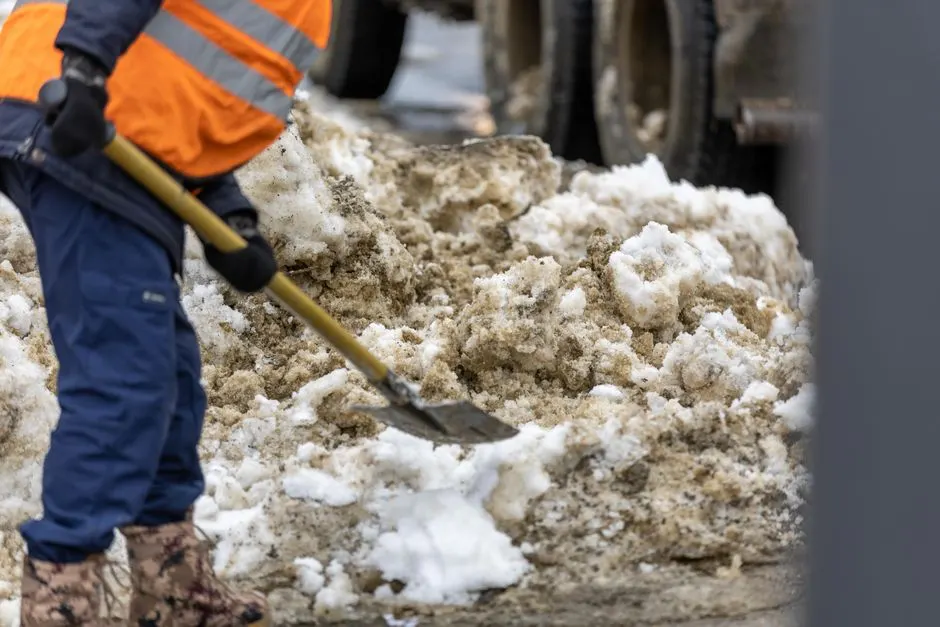
A worker dressed in high visibility clothing shoveling snow during winter maintenance.
Licensed Licensed & Bonded
Fully Insured Insured & Bonded
24/7 Emergency Same-Day Response
Warranty Backed Workmanship Guaranteed

What's Included in Pump Failure Cleanup

Our cleanup covers water extraction, inspection of affected materials, surface cleaning suited to the water source, and managed structural drying. We identify items that need removal and explain repair needs revealed during the work. Pump replacement, electrical repair, and rebuilding are separate trades; we coordinate the cleanup findings so the next repair addresses the actual damage.

Water Source Assessment

We inspect the sump pit and surrounding floor, check whether water is still entering, and look for signs of a failed float, blocked discharge, or another leak. This initial check guides safe extraction and helps distinguish pump failure from sewer backup or groundwater seepage.

Standing Water Extraction

We remove accessible standing water with pumps, truck-mounted extraction units, or wet/dry vacuums according to depth and layout. We work from bulk water toward edges and low spots, then check beneath accessible items where water may have collected.

Moisture Mapping

We check floors, lower walls, and other affected materials with moisture meters, recording readings to guide drying. Where conditions call for it, thermal imaging helps us locate areas for direct measurement. You receive an explanation of what remains wet and what needs monitoring.

Cleaning and Material Review

We clean suitable water-contact surfaces and remove debris. If porous materials such as saturated drywall or insulation cannot be dried effectively, we identify the affected sections for removal. Suspected contaminated water is handled with a different cleaning plan from clear groundwater.

Controlled Structural Drying

We place air movers and commercial dehumidifiers to dry affected materials, then recheck moisture as the job progresses. Drying duration varies with temperature, humidity, material, and water exposure; a common range is 3 to 5 days. Equipment placement changes as readings improve.

Sump Pump Failure Cleanup in Pennsylvania


Sump Pump Failure Cleanup in Pennsylvania is an emergency water-removal and structural-drying service that clears a basement after a sump pump stops or a sump pit overflows. We locate the water source, extract standing water with pumps and truck-mounted extraction units, remove unsalvageable wet materials when needed, and measure moisture in floors and walls. The work is not complete when the visible puddle is gone; concealed moisture in framing and insulation also needs attention. We document readings so you can see what has dried and what still needs work.

Pennsylvania's freeze-thaw shifts, heavy spring rain, and intense November storms can push groundwater against foundations and expose a weak pump, failed check valve, or blocked sump pump discharge piping. Our Pennsylvania sump pump failure cleanup addresses the resulting water damage, not pump repair alone. If you are asking what to do after a sump pump stops during a storm, move people away from standing water and call for emergency cleanup after sump pump failure in Pennsylvania.

What Happens During Cleanup

Our Pennsylvania sump pump failure cleanup process starts with stopping the immediate damage and ends with verified drying. We explain each stage as we work, protect accessible contents, and keep equipment positioned to leave walkways usable where conditions allow.

01

Schedule

Call or book online — a real human picks up and confirms a 2-hour arrival window.

02

Diagnose

Licensed tech inspects on-site, then walks you through the cause and your options.

03

Fix

The job is completed to code and done right the first time — no shortcuts, no surprises.

04

Guarantee

Every job backed by a written workmanship warranty — and we stand behind it.

Equipment and Drying Methods

Tools & Equipment

Submersible water pumps

We use submersible water pumps to lower deeper water in a sump pit or basement low point before detailed extraction. The pump's placement and discharge route are checked to avoid sending water back toward the foundation.

Truck-mounted extraction units

These units remove bulk water across larger floor areas and help clear accessible carpet and hard surfaces. We use them after confirming access and water conditions, then follow with targeted moisture checks.

Moisture meters

Moisture meters provide readings in flooring, framing, and lower walls so we can compare affected areas with dry reference points. We use repeated measurements to guide equipment adjustments and verify progress.

Commercial dehumidifiers

Commercial dehumidifiers pull moisture from basement air while air movers encourage evaporation from wet materials. We position and monitor them based on room size, temperature, and the materials affected.

HEPA air scrubbers

When removal or cleaning work can disturb dust or particles, HEPA air scrubbers help filter airborne material in the work area. We select their use according to the condition and work being performed.

Methods & Standards

Source-first water assessment

We identify whether water came from a failed pump, a blocked sump pump discharge piping route, groundwater seepage, or a different leak before selecting a cleaning method. That distinction affects safety, extraction, and surface treatment. If a sewer backup is suspected, we do not handle the water as ordinary groundwater.

Moisture mapping and monitored drying

We record readings in affected materials and use those results to position air movers and dehumidifiers. Follow-up checks show whether moisture is falling or whether a concealed area needs a different approach. We remove equipment after drying is verified, not simply because the surface feels dry.

Controlled material removal

If wet drywall, insulation, or other porous materials cannot be dried effectively, we identify and remove the affected sections while limiting disturbance to sound materials. We keep the work area organized, clean exposed surfaces as appropriate, and reassess moisture before rebuilding begins.

Product-label-compliant cleaning

We select cleaning and antimicrobial products based on the water source and the surface being treated. Where an antimicrobial pesticide is used, our application follows EPA Registered Antimicrobial Pesticide Label Compliance, including label directions for dilution, contact time, and use conditions.

When to Call for Cleanup

01

A basement sump pump quits during a November rainstorm and water is entering faster than you can remove it.

What we do: We assess safe access, stop the spread where possible, and use pumps or truck-mounted extraction to lower the water level. After bulk removal, we inspect the floor and lower walls, identify saturated materials, and set drying equipment. If water is near electrical equipment, we keep people clear until the area is safe.

→ Water is removed in a controlled sequence, affected materials are identified, and you have a monitored drying plan instead of an unexplained fan setup.

02

The pump runs again after a power outage, but the pit overflowed and wet carpet extends into a finished room.

What we do: We extract water from the room, check carpet and pad separately, and measure moisture at the edge of walls and under accessible flooring. We move salvageable contents out of the wet area and use targeted airflow. We also document the overflow pattern for follow-up pump inspection.

→ You learn whether carpet materials can dry in place, what needs removal, and whether moisture has traveled beyond the visible wet patch.

03

A sump pit keeps filling after heavy rain, with water seeping at the floor-wall joint.

What we do: We remove standing water and map the seepage area while monitoring the pit. Our team distinguishes active groundwater entry from water left by the original overflow, then dries impacted materials. We explain what the cleanup reveals about recurring seepage and where drainage or waterproofing review may be needed.

→ The basement is dried according to measured conditions, and you have a clearer record of whether water came from the pit, foundation seam, or both.

04

A storage basement has water around a failed pump, soaked cardboard, and a damp electrical utility area.

What we do: We keep occupants away from unsafe water, arrange extraction once access is safe, and separate wet contents from the drying area. We check adjacent wall and floor materials with moisture meters and clean hard surfaces suited to the source. Wet cardboard and other unsalvageable porous items are removed.

→ The utility area is handled safely, affected materials are documented, and the basement can be returned to organized storage after drying and any needed repairs.

How Cleanup Works Across Pennsylvania

Sump pump breakdown water cleanup Pennsylvania homes need changes with weather and building type. As November storms bring cold rain and saturated ground, older stone or masonry basements can show seepage at floor joints, while finished basements may conceal water behind baseboards. Winter brings freeze risk to exposed discharge lines; spring thaw can raise groundwater quickly. We inspect the actual entry point and materials instead of assuming every flooded basement came from the pit. In Erie, repeated cold-weather cycles can stress discharge routes; in Carlisle and Hanover, heavy rain can overwhelm a marginal system. Chester and Bloomsburg homes also range from older foundations to newer finished spaces. If you need a Pennsylvania cleanup service for a flooded basement after pump failure, we extract water, map moisture, and adapt drying equipment to the room. We keep pump repair distinct from water restoration and coordinate findings with the appropriate trade. Local permitting and building requirements vary by project and municipality, so any reconstruction is planned to meet the applicable rules.

Neighborhoods We Serve

  • Older stone-basement blocks

    Older masonry can retain moisture after visible water is gone. We check wall-floor joints and avoid treating damp stone as if it were a simple carpet spill.

  • Finished basement streets

    Drywall, carpet, and built-in storage can hide water behind trim. We check lower wall sections and floor edges before deciding where drying equipment should go.

  • Homes near low-lying ground

    A high water table or prolonged rain can keep a sump pit filling. We track the water source and distinguish ongoing seepage from residual floodwater.

  • Rural properties with long discharge runs

    Long exterior discharge routes can clog or freeze, returning water toward the foundation. We document visible discharge concerns for follow-up pump-system service.

Local Conditions We Plan For

  • Freeze-thaw cycles stress exposed pump discharge routes

    A frozen or obstructed line can send water back toward the sump pit and trigger overflow. We remove water and note the visible discharge condition, then recommend that a pump professional check the line before the next cold spell.

  • Heavy rain saturates soil around basement foundations

    Saturated ground increases pressure at foundation walls and can produce seepage even after the pump restarts. Drying must account for continued water entry; otherwise, readings may stall and wet materials can remain affected.

  • Older basements combine masonry with later finished walls

    Moisture can travel behind newer drywall while remaining visible at the original stone or block wall. We inspect both the visible surface and accessible finished sections to avoid leaving concealed wet insulation untreated.

Overnight Pit Overflow

Before

A failed float left the pit full after overnight rain. Water spread across roughly 250 square feet, reached cardboard storage, and dampened the bottom edge of finished drywall. The floor looked mostly clear by morning, but a musty smell and soft carpet padding showed that water remained in the materials.

After

We extracted standing water, removed wet cardboard, checked the carpet edge and lower wall, and placed air movers with a dehumidifier. Drying took 4 days, with readings checked during the process. The carpet pad and wall sections that could not be dried were identified for removal rather than covered up.

Maintenance: Have the pump, float switch, check valve, and discharge route inspected after cleanup. Test the pump according to its manufacturer's instructions, keep the pit clear of debris, and move stored cardboard onto shelving above floor level.

Before

A power interruption stopped the sump during a storm, leaving about 2 inches of water in a utility area. Water reached the base of a water heater and several stored items. The concrete floor appeared simple to dry, but water had collected beneath shelving and around the pit.

After

We used pumps and extraction equipment to remove the water, then checked the floor perimeter and accessible wall bottoms. After cleaning hard surfaces, we ran dehumidification for 3 days and verified moisture readings before clearing the area. The owner had a documented list of wet contents and areas needing follow-up.

Maintenance: Keep the sump access clear and check that the discharge outlet remains open before forecast heavy rain. Ask a qualified pump professional about backup power options, and keep electrical equipment raised where flooding has previously occurred.

Before

Water returned at a floor-wall joint after the sump pump restarted, so the owner could not tell whether the pit had overflowed again or groundwater was entering. A rug and stored belongings were damp, and the lower masonry wall remained dark several days after the storm.

After

We removed remaining water, separated the rug and contents for assessment, and mapped moisture along the wall and floor. Drying continued for 5 days as readings improved. The work showed where seepage remained active, giving the owner a focused basis for discussing drainage and waterproofing repairs.

Maintenance: Keep gutters and downspout outlets clear and direct discharge away from the foundation where the system allows. Monitor the joint after prolonged rain and arrange a drainage review if moisture returns, even when the pump cycles normally.

Prevent More Damage After a Pump Stops

A sump pump failure can turn a manageable pit overflow into soaked flooring, damaged storage, and wet wall cavities. We focus on the water path and the materials it reached, then remove water and establish measurable drying. That gives you a practical response to emergency cleanup after sump pump failure in Pennsylvania.

Problem

Water spreading from a full sump pit across finished flooring

Water beneath laminate or carpet padding can remain hidden after the surface dries, damaging the floor and creating persistent odor or mold growth.

Our Fix

We extract surface water, inspect flooring edges and transitions, and take moisture readings beneath or beside affected materials where accessible. We direct air movement to wet areas and identify flooring or padding that cannot be dried in place, so you can address the full footprint rather than just the visible puddle.

Problem

Repeated water returning after the pump appears to restart

A failed check valve or blocked discharge can send water back to the pit, keeping the basement damp and risking another overflow during the next storm.

Our Fix

We note water levels, visible discharge behavior, and moisture patterns while cleaning. Our crew does not treat equipment repair as extraction; we explain the signs that point to a plumbing or pump issue and provide cleanup findings for the repair professional. Drying continues only after active water entry is controlled.

Problem

Wet lower walls and insulation hidden behind stored items

Wall cavities can stay damp after the floor looks dry, especially where boxes or shelving restricted airflow during flooding.

Our Fix

We move accessible belongings away from affected walls, inspect baseboards and lower drywall, and measure moisture at multiple points. Where insulation or drywall is saturated, we mark the affected area for removal and drying. This prevents a fan-only approach from masking moisture trapped behind finished surfaces.

Problem

Uncertainty about groundwater versus contaminated backup

Using the wrong cleaning method can expose occupants to contaminants and spread residue to otherwise unaffected areas.

Our Fix

We assess the water source before cleaning and keep suspected wastewater separate from clear groundwater. Our technicians use appropriate protective practices and cleaning products for the identified conditions. If the source is unclear, we limit disturbance until the affected area can be handled safely.

Practical Results After Pump Failure

Practical Results After Pump Failure

A flooded basement needs more than a wet vacuum and a fan. We remove water, check moisture in materials that look dry, and set equipment to the conditions in your home. You get a clear sequence of work and a practical path back to a usable basement.

  • Water Out, Faster

    We select submersible water pumps or truck-mounted extraction units to match the depth and spread of standing water. In a contained basement, extraction may take 2 to 6 hours; a deep sump pit or water across several rooms takes longer. Removing the bulk water promptly reduces the time flooring and stored items remain saturated.

  • Hidden Moisture Found

    Moisture meters and thermal imaging cameras help us check wall bottoms, stairwells, and areas behind finished surfaces. A dry-looking carpet can hide wet padding, while water can travel beneath vinyl flooring. We map readings instead of relying on appearance, then direct air movers and commercial dehumidifiers where they can dry the affected materials.

  • A Cleaner Basement

    Sump pit overflow cleanup service in Pennsylvania includes removal of debris and cleaning of water-contact surfaces appropriate to the water source. We use absorbent pads and suitable disinfectants where needed, then separate porous materials that cannot be safely dried. If the water appears contaminated or a sewer backup is involved, we change the handling and cleaning approach.

  • Documented Drying Progress

    We record moisture readings during drying, often checking affected areas at least once daily while equipment is operating. That gives you a measurable basis for deciding when drying is complete. It also helps identify a recurring groundwater problem that needs drainage or pump-system attention after cleanup.

Training and Work Standards

Licensed & Certified

  • Water Damage Restoration Technician — issued by Institute of Inspection, Cleaning and Restoration Certification
  • Applied Structural Drying — issued by Institute of Inspection, Cleaning and Restoration Certification
  • Applied Microbial Remediation Technician — issued by Institute of Inspection, Cleaning and Restoration Certification
  • OSHA Hazard Communication Standard — issued by Occupational Safety and Health Administration

Verified Reviews

Google ★★★★★4.9

Our sump pump quit after heavy rain, and water reached the finished basement. The crew extracted it, checked the lower walls, and explained the moisture readings. They returned to monitor drying and pointed out the carpet pad that needed removal. We appreciated having clear next steps instead of being told the floor was simply dry.

Yelp ★★★★★4.8

The pump pit overflowed while we were away. The team removed the water and checked behind stored items, where moisture had collected along the wall. They cleaned the concrete, set dehumidification equipment, and showed us the progress at follow-up. The basement was ready for repairs once the wet materials were addressed.

Google ★★★★★5.0

We had water around the sump and could not tell if it was groundwater or a plumbing leak. The crew traced the wet area, extracted the standing water, and explained which surfaces needed monitoring. Their readings helped us decide what to repair and prevented us from putting storage back too soon.

Field Knowledge That Matters

Sump pump failures are rarely just a wet-floor problem. Our crew follows water through the basement, distinguishes a mechanical pump issue from groundwater seepage, and adapts the drying plan to the home's materials. Technicians trained to IICRC Water Damage Restoration Technician (WRT) practices understand extraction, moisture mapping, and drying principles. We apply OSHA Hazard Communication Standard practices when handling cleaning products and follow EPA Registered Antimicrobial Pesticide Label Compliance for applicable antimicrobial products. You get careful work without a guessed-at dry standard.

  • We check the sump pit, float operation, discharge route, and visible check valve condition to help identify why water returned.
  • Moisture readings guide equipment placement in finished basements, utility rooms, and storage areas rather than guesswork.
  • Our team separates clean groundwater from suspected sewage and adjusts personal protection and cleaning methods accordingly.
  • We recognize hydrostatic pressure signs, including water at floor joints and recurring seepage after prolonged rain.
  • We discuss restoration and contracting work in line with Pennsylvania Home Improvement Contractor Registration requirements where applicable.
Get Started Today
Field Knowledge That Matters

Sump Pump Cleanup Questions

Real answers to the questions we hear most often from local homeowners and property managers.

What should I do after sump pump failure in Pennsylvania?
After sump pump failure in Pennsylvania, keep people away from standing water and call for emergency extraction as soon as it is safe. Do not step into water near electrical outlets, appliances, or a powered pump. If safe, move dry belongings above the wet area and note whether water is still entering. We inspect the source, remove standing water, and check floors and walls for hidden moisture before setting drying equipment.
Can you remove basement water caused by a failed sump pump?
Yes, we remove basement water caused by a failed sump pump using pumps, truck-mounted extraction, and wet/dry vacuums suited to the water depth. A small, accessible area may be extracted in a few hours; larger or deeper flooding takes longer. We then check wet materials and set drying equipment. Cleanup addresses the water damage, while pump repair may require a plumbing professional.
How quickly should sump pump failure cleanup begin?
Begin sump pump failure cleanup as soon as the area is safe, ideally within 24 hours of water entering. Delays leave flooring, drywall, and stored contents wet for longer and increase the chance of odor or mold growth. We prioritize extraction, then monitor drying over the following 3 to 5 days when conditions support that schedule. Water depth and material type affect the actual timeline.
Why did my sump pump fail during a Pennsylvania storm?
A Pennsylvania storm can overwhelm a sump system through heavy inflow, a power interruption, a stuck float, a failed motor, or a blocked discharge line. A damaged check valve can also let discharged water flow back toward the pit. We inspect visible components and document the water path while performing cleanup. A qualified pump technician can repair or replace the equipment after the basement is stabilized.

Related Water Damage Services

Basement Water Removal

When a sump pump stops, water can spread beyond the pit into storage rooms and finished areas. Basement Water Removal focuses on extracting that standing water and preparing affected surfaces for drying, with equipment scaled to the volume and access in your home.

View Basement Water Removal

Basement Flood Cleanup

A failed pump can leave sediment, soaked belongings, and contaminated surfaces along with water. Basement Flood Cleanup covers removal and cleaning after the source is controlled, helping you address the floor, lower walls, and contents as one affected area.

View Basement Flood Cleanup

Emergency Basement Water Extraction

If water is still rising or several rooms are flooded, Emergency Basement Water Extraction prioritizes bulk removal. We choose pumps and extraction equipment for water depth, then transition to detailed moisture checks and drying once the floor is accessible.

View Emergency Basement Water Extraction

Basement Flood Damage Restoration

After extraction and drying, damaged drywall, insulation, or flooring may need repair. Basement Flood Damage Restoration addresses those building materials after moisture conditions are checked, helping you move from emergency cleanup toward a functional basement again.

View Basement Flood Damage Restoration

Sewer Backup Cleanup

Water in a basement is not always groundwater. If a sump failure coincides with a sewer backup, contamination changes how we isolate, remove, and clean the affected area. Sewer Backup Cleanup uses handling methods suited to wastewater rather than treating it like clean rainwater.

View Sewer Backup Cleanup

Storm and Heavy Rain Flood Cleanup

Heavy rain can exceed a sump system's capacity or reveal a blocked discharge route. Storm and Heavy Rain Flood Cleanup removes stormwater, checks the extent of wet materials, and starts controlled drying after active water entry has been addressed.

View Storm and Heavy Rain Flood Cleanup

Call for Sump Pump Failure Cleanup in Pennsylvania

Water in the basement will not wait for the pump to restart. Call our team for extraction and drying support; we will focus on the affected area and explain the next step. Upfront pricing is provided before the cleanup work begins.

Call Now Call for Cleanup

Contact Our Referral Line

Call Pennsylvania Basement Water Removal Pros at +1 866-896-8166 to describe the flooding and request a connection with an independent local company. Our phone line accepts urgent requests around the clock. Have your municipality, water source, approximate depth, and any safety concerns ready; those details help us route your request across Pennsylvania.

Or call us right now at +18668968166 — we answer.

Pennsylvania Basement Water Removal Pros


  • Phone

    +18668968166
  • Address

    Pennsylvania

  • Hours

    Mon–Fri: 7AM – 7PM
    Sat: 8AM – 4PM
    Sun: Emergency Only
    24/7 Emergency Available

Call +18668968166 Get Quote
Call Quote