Logo
Get Estimate

Appliance Leak Cleanup in Pennsylvania for Dry Homes

We remove leaked water and dry the damage at its source.


Appliance Leak Cleanup in Pennsylvania helps homeowners and property managers after a washer, dishwasher, refrigerator, or water heater leaks. We locate the affected area, extract water, and dry floors and nearby materials before moisture spreads into walls or stored belongings. Our appliance water damage cleanup in Pennsylvania addresses the mess left behind while keeping your household informed about each step and the equipment running in your home.

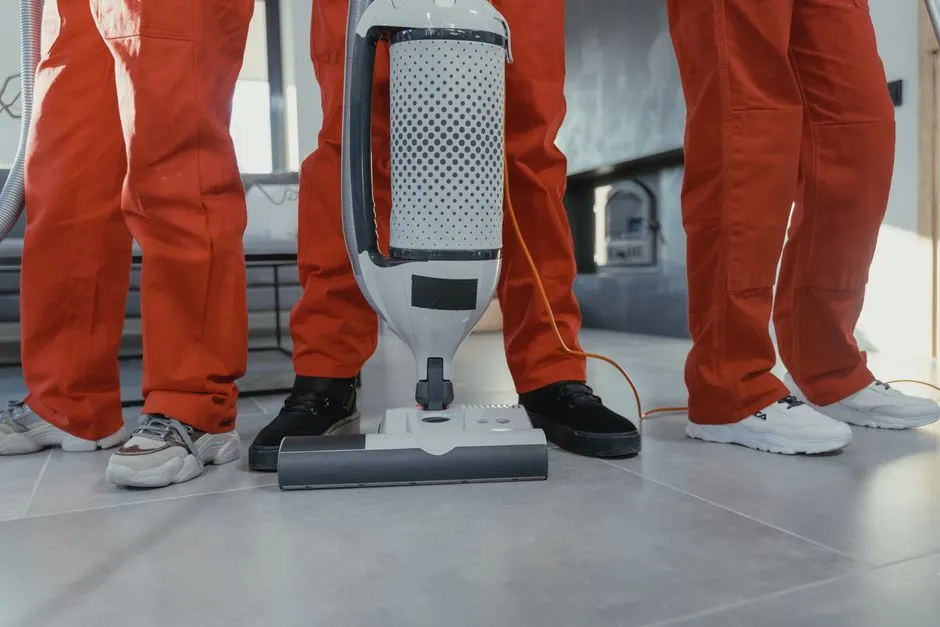
Team of professional cleaners in red uniforms using a vacuum cleaner indoors.
Licensed Licensed & Bonded
Fully Insured Insured & Bonded
24/7 Emergency Same-Day Response
Warranty Backed Workmanship Guaranteed

What Appliance Leak Cleanup Includes

Appliance leak cleanup covers water removal, inspection of the affected footprint, drying equipment, and moisture checks. We tailor the work to the source and materials, whether water came from a washer, dishwasher, refrigerator line, or water heater. Repairing the appliance or its plumbing connection is separate from water cleanup; we explain when that repair should happen so the leak does not continue while drying is underway.

Leak Area Inspection

We identify the apparent source and follow visible water across the floor, around appliance legs, and toward nearby trim or walls. Our technician checks accessible spaces and records initial moisture readings so the cleanup plan is based on the water path rather than the puddle alone.

Standing Water Extraction

We select a pump, truck-mounted unit, or wet/dry vacuum according to water depth and room access. Extraction includes practical attention to floor edges and reachable spaces beneath movable items, helping remove water that would otherwise slow drying or soak adjacent materials.

Controlled Structural Drying

Air movers and commercial dehumidifiers circulate and remove moisture from affected areas. Equipment placement reflects the room layout and material readings, while our team explains operating noise and access needs. We adjust the setup as drying checks show which surfaces still require airflow.

Moisture Monitoring

We check affected materials with moisture meters and compare readings over time. If a wall or floor assembly remains damp, we continue drying or explain the next repair step. The goal is to verify progress rather than rely on touch or appearance alone.

Surface Cleaning Steps

Where appropriate to the water source and affected materials, we clean accessible surfaces using suitable products and label-directed practices. If water is contaminated or materials are damaged beyond drying, we explain the additional handling or replacement needed before the room is returned to use.

Appliance Leak Cleanup in Pennsylvania Explained


Appliance Leak Cleanup in Pennsylvania is a water damage restoration service that removes water from appliance leaks and dries affected building materials before damage spreads. We begin by identifying the failed supply hose, drain connection, pan, or appliance source, then extract standing water and check nearby flooring, baseboards, and wall cavities. A wet/dry vacuum handles shallow water, while submersible water pumps move deeper accumulations. Moisture meters help us decide what needs further drying rather than relying on a surface that only feels dry.

Pennsylvania homes face different leak conditions: a washer hose can flood a finished basement, a dishwasher can soak cabinets, and a water heater can release water onto a slab or wood subfloor. In cold weather, a supply line in an unheated utility area is vulnerable; humid summer air can slow drying after water removal. Our Pennsylvania appliance leak cleanup includes a focused inspection, extraction, and controlled drying. For basement cleanup after a washing machine leak in Pennsylvania, we also check floor seams and stored items where water can remain hidden.

What Happens During Cleanup

Appliance leak cleanup in Pennsylvania follows a clear sequence: control the source, map the wet area, extract water, dry the structure, and verify progress. We explain what we are doing before equipment is placed, protect walk paths, and keep the work area organized. A straightforward utility-room leak may take a few hours of active work; drying can continue beyond the visit.

01

Schedule

Call or book online — a real human picks up and confirms a 2-hour arrival window.

02

Diagnose

Licensed tech inspects on-site, then walks you through the cause and your options.

03

Fix

The job is completed to code and done right the first time — no shortcuts, no surprises.

04

Guarantee

Every job backed by a written workmanship warranty — and we stand behind it.

Tools and Drying Methods

Tools & Equipment

Submersible water pumps

We use pumps to move deeper standing water from a basement or utility room before detailed extraction. The pump choice and placement depend on water depth, safe access, and where the water can be discharged.

Truck-mounted extraction units

These units remove water efficiently from larger floor areas and help recover moisture from carpet or other accessible surfaces. We use them when the leak footprint or water volume calls for greater extraction capacity.

Moisture meters

Meters provide readings in affected flooring, trim, and accessible wall materials. We compare those results over time to guide air movement and confirm whether drying is progressing.

Thermal imaging cameras

Thermal cameras help identify temperature patterns that may indicate a concealed wet area. We confirm suspected moisture with direct measurements rather than treating an image alone as proof.

Commercial dehumidifiers and air movers

Dehumidifiers remove moisture from the room air while air movers circulate it across wet surfaces. We position and adjust them according to the room layout, materials, and moisture readings.

Methods & Standards

IICRC WRT water restoration workflow

We use the IICRC Water Damage Restoration Technician framework to organize inspection, water extraction, drying, and monitoring. The actual plan follows the water source and affected materials. We record readings, choose equipment for the conditions, and communicate when the work moves from extraction into drying and verification.

Source-first leak control

Cleanup begins with stopping active water where it is safe to do so, because extraction cannot keep pace with an ongoing leak. We identify whether the water came from a supply line, appliance, or drain and explain when a plumber or appliance technician needs to make the mechanical repair.

Measured structural drying

We establish initial readings, direct airflow across wet materials, and use dehumidification to manage moisture in the room. Follow-up checks show whether the setup is working or needs adjustment. Drying time depends on material, water volume, temperature, and access; readings, not a fixed schedule, guide equipment removal.

Product-label cleaning practice

When cleaning or antimicrobial treatment is appropriate, we use products according to the label and the water conditions. We avoid treating every appliance leak as contaminated water. The source and affected materials determine the cleaning steps, and our team explains when replacement is more suitable than surface treatment.

When to Call for Cleanup

01

A washer supply hose fails overnight and leaves standing water around the laundry area.

What we do: We help stop the flow, remove standing water with extraction equipment, and check the floor edges and nearby wall bottoms. Our technician places air movers and a dehumidifier based on moisture readings, then explains what to keep clear while drying continues. If the hose connection needs replacement, we identify that source repair as a separate task.

→ You get water removed and a measurable drying plan, with wet areas identified before they are covered by stored items or new flooring.

02

A water heater drips for days, then releases a larger amount onto a finished basement floor.

What we do: We inspect the tank's surrounding area, map water movement, and extract pooled water from flooring and accessible adjoining spaces. We check wall bottoms and stored contents for moisture, then set drying equipment where readings call for it. We also coordinate the cleanup sequence with stopping the tank leak.

→ The wet footprint is documented and drying starts after the leak is controlled, reducing the chance of overlooking moisture at the wall-floor edge.

03

A dishwasher leak appears small upstairs, but a stain forms on the ceiling below.

What we do: We check the appliance area and the affected ceiling or room below, then use moisture checks to determine how far water traveled. We extract water from accessible surfaces and set drying equipment where the materials are wet. If an enclosed cavity needs repair access, we explain that step before finishes are restored.

→ You learn whether the damage is limited to the kitchen or has reached the structure below, with next actions tied to measured conditions.

04

A refrigerator supply line leaks behind cabinets while the household is away for a weekend.

What we do: We identify the visible water path, move accessible items out of the wet area, and extract water from exposed flooring. Moisture checks around cabinet edges and adjacent walls guide drying. Our team also notes any area that cannot be inspected without moving or opening built-in finishes, so hidden moisture is not mistaken for a dry surface.

→ The affected area is cleaned and dried according to readings, while you receive a clear account of inaccessible areas and any repair that should follow.

How Cleanup Works Across Pennsylvania

Appliance water damage cleanup in Pennsylvania has to account for older stone foundations, finished basements, compact utility rooms, and newer homes with laundry equipment on upper floors. November brings colder nights and the approach of winter, so an unheated basement or exposed appliance line deserves prompt attention before freezing conditions add another problem. Spring storms and summer humidity bring different concerns: groundwater seepage can overlap with an appliance leak, and humid air can slow drying. We inspect the water source and building materials rather than assuming every home dries the same way. In older basements, a leak may run along an uneven floor toward a drain or basement drainage tile; in finished spaces, it can disappear under flooring or behind trim. We keep access and safe equipment placement in view, and we follow applicable product labels and safety requirements. For a home with an appliance leak near electrical equipment, we do not ask you to enter unsafe standing water. Our technicians explain what they can reach, what needs a qualified repair professional, and how moisture readings shape the cleanup plan. Local weather and building details change the work, not the need to remove water and verify drying.

Neighborhoods We Serve

  • Older stone-foundation homes

    Uneven floors and porous masonry can send appliance water toward low points. We check floor edges and accessible foundation surfaces rather than relying only on the visible puddle.

  • Finished lower levels

    Carpet, laminate, and finished wall assemblies can hide water after a washer leak. We use moisture readings to identify the affected boundaries and guide drying before repairs.

  • Upper-floor laundry rooms

    A small appliance leak can travel through a floor assembly and show below as a ceiling stain. We inspect the appliance area and the accessible room beneath it.

Local Conditions We Plan For

  • Cold-season appliance lines in unheated utility spaces

    Low temperatures raise the risk of a frozen or brittle supply line, while a leak can wet stored belongings before it is noticed. We prioritize source control, extraction, and checking nearby materials.

  • Spring groundwater and stormwater near basement appliances

    Wet soil or drainage problems can overlap with a washer leak and make the water source less obvious. We separate the appliance footprint from ongoing seepage so the cleanup plan addresses both conditions.

  • Humid summer air slowing basement drying

    High outdoor humidity can make indoor moisture harder to manage, especially in a closed lower level. We use dehumidification and follow-up readings to assess progress instead of judging by surface feel.

Washer Hose Flood on Basement Floor

Before

A failed washer hose left about 1 inch of water across a 180-square-foot laundry area. Water reached cardboard storage boxes and soaked the base of a nearby wall. The floor looked clear near the doorway, but water remained around appliance feet and along the wall edge.

After

We extracted the standing water, checked the wall and floor at multiple points, and positioned air movers with a commercial dehumidifier. The main extraction took about 90 minutes; drying continued for 48 hours with readings checked during the process. The wet boundary was documented before equipment came out.

Maintenance: Replace worn washer hoses on the schedule recommended by the manufacturer, keep the shutoff reachable, and avoid stacking storage against basement walls. Check the floor and hose connections after moving or servicing the washer.

Before

A slow tank leak had left damp flooring beneath the water heater and a wet strip along 6 feet of wall. The homeowner noticed a musty smell but no large puddle. Water had reached stored items and the bottom edge of the finished wall.

After

After the tank leak was stopped, we removed remaining water, checked accessible wall and floor materials, and ran drying equipment for 36 hours. Moisture readings showed improvement across the affected strip. We identified the lower wall materials that needed repair after drying was complete.

Maintenance: Check the water heater pan, visible connections, and nearby floor during routine household checks. Keep the area around the tank clear enough to see drips, and arrange prompt repair if the tank or connection shows active leakage.

Before

A dishwasher drain problem left water under the kitchen appliance and a ceiling stain in the basement below. The visible kitchen floor had dried, but moisture remained near the cabinet toe kick and the ceiling finish felt damp.

After

We checked both accessible areas, extracted water from the exposed floor, and used moisture readings to guide drying above and below. Air movers and dehumidification ran for 24 hours before follow-up checks showed the accessible surfaces had improved. The appliance drain still required repair.

Maintenance: Inspect the dishwasher supply and drain connections after installation or service, and watch for cabinet swelling or a new ceiling mark below. Keep the appliance shutoff accessible so you can stop water quickly if a leak appears.

Problems Solved After a Basement Appliance Leak

A leaking appliance can leave more than a visible puddle: water may travel under flooring, wick into drywall, or collect around stored belongings. Our cleanup focuses on finding the extent, removing water, and drying the materials that can be saved. We also help identify when the source needs a separate repair before the room is put back into service.

Problem

Washer overflow spreads beneath finished basement flooring

Water trapped at seams can swell flooring and keep the subfloor damp after the visible puddle disappears, leaving damage hidden from view.

Our Fix

We extract water from the exposed surface, check floor seams and nearby baseboards, and measure moisture at accessible materials. Air movers and dehumidifiers target the wet footprint. If readings point to trapped water beneath flooring, we explain the affected area and the practical next step rather than promising that surface drying alone will solve it.

Problem

Water heater leak soaks a utility-room wall and floor

A tank release can wet a broad area quickly, saturating stored items, wall bottoms, and flooring before anyone notices the leak.

Our Fix

Our team locates the spread around the tank, removes standing water with suitable extraction equipment, and checks nearby walls and floor materials. We coordinate the drying plan around the water-heater repair, since the source must be stopped. Damaged drywall or insulation is identified for replacement after moisture conditions are addressed.

Problem

Dishwasher supply or drain leak reaches cabinets below

Water can stay hidden beneath a cabinet toe kick or behind an appliance, swelling wood-based materials and reaching an adjoining room.

Our Fix

We inspect accessible cabinet edges, floor transitions, and nearby walls, then extract visible water and use meter readings to guide drying. We move only items that can be handled safely and keep the work area accessible. If moisture is enclosed behind cabinetry, we explain the limits of access and the next step for opening or repair.

Problem

Repeated appliance leak leaves a musty basement odor

Recurring moisture can support mold growth after flooding and damage stored contents, even when each leak seems too small to call for help.

Our Fix

We look for the current moisture source, trace the wet footprint, and dry affected materials with measured airflow and dehumidification. Our technicians distinguish a one-time spill from continuing seepage or a recurring hose problem. Where cleaning products are appropriate, we follow label directions and explain what still needs a plumbing or appliance repair.

Get Water Out, Limit Damage

Get Water Out, Limit Damage

A small appliance leak becomes a bigger repair when water sits beneath flooring or wicks into drywall. We focus first on stopping the active water source and removing what has escaped, then measure moisture and set drying equipment where it will do useful work. You get a clear account of the affected materials and the next practical steps.

  • Less Water Left Behind

    Our technicians select extraction equipment for the depth and spread of the water. Truck-mounted extraction units handle larger areas, while wet/dry vacuums reach tight utility spaces. Removing water promptly reduces the chance that it will travel beneath laminate, swell trim, or soak stored boxes, and gives drying equipment a better starting point.

  • Targeted Drying Plan

    We use moisture readings at affected flooring, baseboards, and accessible wall sections to guide air movement and dehumidification. Air movers push air across wet surfaces, while commercial dehumidifiers collect moisture from the room. We recheck readings instead of guessing from appearance, so you know which areas are drying and which need attention.

  • Find the Wet Edges

    A puddle rarely shows the full footprint of a washer or dishwasher leak. Thermal imaging cameras help identify temperature patterns that can point to hidden moisture, and moisture meters confirm readings at the material. This targeted check helps keep drying focused and avoids pulling out sound finishes without a reason.

  • A Clear Next Step

    You get a practical explanation of what was affected, what we extracted, and what drying remains. If the leak damaged drywall or insulation, we identify those materials for repair after moisture levels are addressed. Our team can also note whether a drain, hose, or appliance connection needs attention from a qualified repair professional.

Training and Work Standards

Licensed & Certified

  • Water Damage Restoration Technician — issued by Institute of Inspection, Cleaning and Restoration Certification
  • Applied Structural Drying — issued by Institute of Inspection, Cleaning and Restoration Certification
  • OSHA Hazard Communication Standard — issued by Occupational Safety and Health Administration
  • Pennsylvania Home Improvement Contractor Registration — issued by Pennsylvania Office of Attorney General

Verified Reviews

Google ★★★★★4.8

A washer hose split in our basement and water reached the shelving and wall. The crew explained the extraction, took moisture readings, and placed drying equipment without blocking the stairs. They checked progress and showed us which parts of the wall needed repair after drying.

Yelp ★★★★★4.7

Our water heater had been leaking behind a storage shelf. The team moved the accessible items, removed the water, and checked the flooring and lower wall. They were clear about the difference between cleanup and replacing the tank connection, which helped us coordinate the repair.

BBB A

A dishwasher leak left a wet area in the kitchen and a stain below. The technicians checked both floors, used moisture readings, and kept us updated on drying. We appreciated the practical explanation of what was dry and what still needed attention.

Field Knowledge and Training

Appliance leaks call for more than vacuuming a wet floor: the water path, material type, and source all matter. Our technicians apply IICRC Water Damage Restoration Technician (WRT) principles to extraction, drying, and documentation, and use Applied Structural Drying (ASD) methods where the job requires controlled structural drying. We follow equipment directions and the OSHA Hazard Communication Standard when handling products. We do not claim a founding year or years-in-business figure; our focus is the work in front of us, from a leaking washer in a finished basement to a water heater release near stored belongings.

  • We use moisture readings at multiple points, including a dry comparison area, so a single surface reading does not dictate the drying plan.
  • Our technicians distinguish clean supply water from water affected by a drain or other contamination before selecting cleaning products and protective steps.
  • Drying equipment placement accounts for room size, material type, safe electrical access, and the household's need to move through the space.
  • We explain when a qualified appliance repair technician or plumber should address the failed component rather than treating water removal as a mechanical repair.
  • Our team uses EPA Registered Antimicrobial Pesticide Label Compliance when an applicable antimicrobial product is part of the job.
Get Started Today
Field Knowledge and Training

Cities We Serve Across Pennsylvania

We deliver Appliance Leak Cleanup across Pennsylvania, adjusting extraction and drying to the home rather than using one setup everywhere. In York, Williamsport, West Chester, Dunmore, and Emmaus, our team handles leaks from laundry equipment, dishwashers, refrigerators, and water heaters. Pennsylvania appliance leak cleanup starts with source control and a check of how far water traveled; older foundations, finished lower levels, and local weather all affect the work. Call with the appliance type and whether water is still standing so we can discuss the immediate response.

Appliance Leak Cleanup Questions

Real answers to the questions we hear most often from local homeowners and property managers.

What should I do after an appliance leaks in my Pennsylvania basement?
Stop the appliance and its water supply if you can reach the shutoff safely, then call for cleanup; avoid wet electrical equipment. Move people and pets away from standing water, and photograph the damage if it is safe to do so. We can extract water and check nearby materials with moisture meters. For emergency basement water removal after an appliance leak, tell us which appliance leaked, whether water is still flowing, and roughly how deep the water is.
Can a cleanup service remove water from a washer leak?
Yes, a cleanup crew can extract washer-leak water from basement floors and assess nearby materials. We use pumps or extraction units for standing water, then check floor edges, baseboards, and accessible wall areas for moisture. Basement washer leak water removal Pennsylvania service also includes drying equipment when readings show materials remain wet. We do not repair the washer itself, so a failed hose, valve, or drain connection should be corrected by an appliance technician or plumber.
How quickly should appliance water damage be dried?
Begin water removal as soon as the leak is controlled; professional drying commonly takes 24 to 72 hours. Delays leave more time for water to wick into flooring, trim, or drywall, and warm, humid conditions can complicate drying. We extract standing water first, then use air movers and dehumidifiers while checking material moisture. Water extraction after a water heater leak Pennsylvania response should also account for the tank's release volume and the flooring beneath it.
Does appliance leak cleanup include moisture checks?
Yes, moisture checks are part of our cleanup process, using meters at affected materials and comparison points. We inspect the visible floor and nearby baseboards, then check accessible walls or adjoining spaces where the leak may have traveled. Thermal imaging can help identify areas for closer measurement, but meter readings guide drying decisions. We continue checks during the drying period and explain whether materials are ready for equipment removal or need more time.

Other Water Damage Services

Basement Water Removal

When an appliance leak leaves water across a larger basement floor, this service focuses on extracting standing water and beginning controlled drying. We assess how far water traveled, protect accessible belongings, and select pumps or extraction equipment for the room's depth and layout.

View Basement Water Removal

Basement Flood Cleanup

A washing machine hose can turn a utility-room leak into a broader basement flood, especially when water spreads under stored items. We remove water, clean affected surfaces as appropriate, and set drying equipment based on material readings rather than treating the entire basement as equally wet.

View Basement Flood Cleanup

Emergency Basement Water Extraction

For active appliance leaks and deep standing water, emergency extraction prioritizes stopping further flow and moving water out quickly. Our team chooses equipment for the depth, access, and floor type, then checks nearby materials so drying can begin without delay.

View Emergency Basement Water Extraction

Basement Flood Damage Restoration

If appliance water has affected drywall, insulation, trim, or flooring, restoration follows extraction and drying. We identify materials that need repair or replacement and coordinate the next phase after moisture checks, helping you move from a wet basement toward a usable room.

View Basement Flood Damage Restoration

Sump Pump Failure Cleanup

An appliance leak can coincide with sump pump failure, leaving water with no clear path out of a basement. We extract the combined water, assess the floor and surrounding materials, and check whether sump discharge piping or a check valve needs attention from a qualified contractor.

View Sump Pump Failure Cleanup

Sewer Backup Cleanup

If water from a laundry drain is contaminated or a sewer backup occurs, the cleanup requires a different handling plan than a clean supply-line leak. We assess the water source, protect the work area, remove affected water, and apply appropriate cleaning procedures.

View Sewer Backup Cleanup

Call for Appliance Leak Cleanup in Pennsylvania

Water under a washer or beside a water heater keeps spreading until it is removed and dried. Our technicians will talk through the leak and the affected area, then help you take the next step. Call +18668968166 for appliance leak cleanup; our team follows IICRC WRT practices.

Call Us Call for Cleanup

Contact Our Referral Line

Call Pennsylvania Basement Water Removal Pros at +1 866-896-8166 to describe the flooding and request a connection with an independent local company. Our phone line accepts urgent requests around the clock. Have your municipality, water source, approximate depth, and any safety concerns ready; those details help us route your request across Pennsylvania.

Or call us right now at +18668968166 — we answer.

Pennsylvania Basement Water Removal Pros


  • Phone

    +18668968166
  • Address

    Pennsylvania

  • Hours

    Mon–Fri: 7AM – 7PM
    Sat: 8AM – 4PM
    Sun: Emergency Only
    24/7 Emergency Available

Call +18668968166 Get Quote
Call Quote