



Logo
Get Estimate

Basement Water Removal in Chambersburg After Flooding

Basement Water Removal in Chambersburg starts with stopping the water source, extracting standing water, and checking what has become wet behind walls and under flooring. We serve homes and businesses across Downtown Chambersburg, the South End, and the North End, including ZIP codes 17201 and 17202. Conococheague Creek watershed exposure, valley runoff during intense rainfall, and winter snowmelt all make a clear removal-and-drying plan important.

Call For Help View Services
Emergency calls Response target Service coverage
Licensed Licensed & Bonded
Fully Insured Insured & Bonded
24/7 Emergency Same-Day Response
Warranty Backed Workmanship Guaranteed in Chambersburg
Chambersburg

Basement Water Removal in Chambersburg


Basement Water Removal in Chambersburg is a water-damage service that extracts standing water and begins structural drying after a leak, backup, or flood. Pennsylvania Basement Water Removal Pros handles basement flooding from stormwater intrusion, sump pump failure, sewer backup, burst pipe leaks, and appliance leaks. Our crews work across Downtown Chambersburg, Falling Spring, Guilford, and Scotland, adapting access and equipment to older downtown buildings as well as newer homes.

For basement water removal in Chambersburg, Pennsylvania, we first identify whether water is still entering, then use submersible water pumps or truck-mounted extraction units to remove it. Moisture meters help map wet materials after the visible water is gone. For customers looking for Pennsylvania basement water removal near Chambersburg, the goal is practical: remove water safely, prevent avoidable damage, and set up a drying plan matched to the affected rooms.

  • Locally licensed and insured in Chambersburg
  • Same-day diagnostics and written estimates
  • Real workmanship warranty in writing
  • Background-checked, in-house technicians

Water Removal Services Across Chambersburg

Chambersburg calls range from a few inches of water in a utility room to broad stormwater intrusion across a finished basement. Our crews separate clean-water leaks from contaminated backup water, remove damaged contents where needed, and begin drying before moisture spreads into framing. If you need emergency basement water removal in Chambersburg, Pennsylvania, call with the water depth, source, and whether power is affected; those details help us prepare the right extraction equipment.

Basement Water Removal

Basement Water Removal

We remove standing water from basements in Downtown Chambersburg, Guilford, and surrounding residential areas, then check floors and wall edges for retained moisture. A sump-pump failure, groundwater seepage, or plumbing leak needs a different setup, so we match the pump and extraction method to your water depth and access.

View Details
Basement Flood Cleanup

Basement Flood Cleanup

After water is out, we clear affected debris, clean hard surfaces, and identify materials that need drying or removal. In older Downtown Chambersburg basements, masonry, stored items, and finished wall sections may respond differently to flooding. We keep contaminated water separate from ordinary stormwater and use appropriate disinfectants where exposure requires them.

View Details
Emergency Basement Water Extraction

Emergency Basement Water Extraction

For a fast-rising leak or post-storm flood in the South End or North End, we bring extraction equipment sized to the water volume and route hoses through the safest available access. We prioritize active water removal, then inspect the low points and mechanical area so water does not remain hidden beneath appliances or shelving.

View Details
Basement Flood Damage Restoration

Basement Flood Damage Restoration

We document affected surfaces, remove water-damaged materials when necessary, and set drying equipment to protect the remaining structure. Chambersburg homes with finished basements need attention to carpet edges, drywall, and insulation, not just the open floor. We monitor moisture readings and explain when replacement materials can go back in.

View Details
Sump Pump Failure Cleanup

Sump Pump Failure Cleanup

A failed pump during heavy rain can leave water around the pit and across a basement floor. We extract water in Falling Spring and other city neighborhoods, inspect the pit area, and check whether discharge piping or a check valve appears to be contributing. We focus on cleanup and drying; pump repairs are coordinated as needed.

View Details
Sewer Backup Cleanup

Sewer Backup Cleanup

Sewer water needs controlled handling, thorough removal, and cleaning of affected hard surfaces. We isolate the affected area, extract contaminated water, and apply suitable antimicrobial cleaners according to the product label. If a backup affects a basement in Scotland or near Downtown Chambersburg, keep people and pets out until cleanup is complete.

View Details
Storm and Heavy Rain Flood Cleanup

Storm and Heavy Rain Flood Cleanup

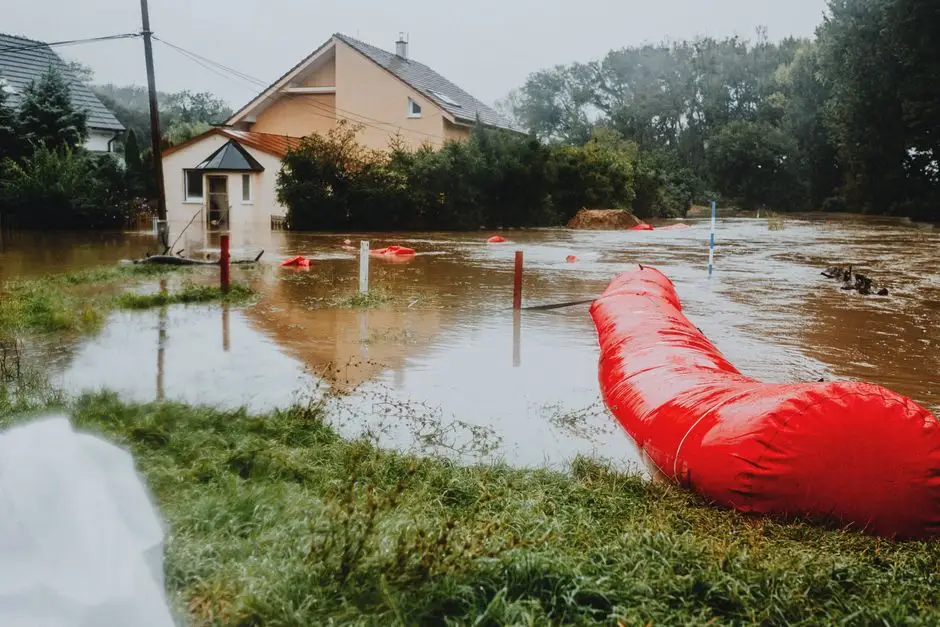
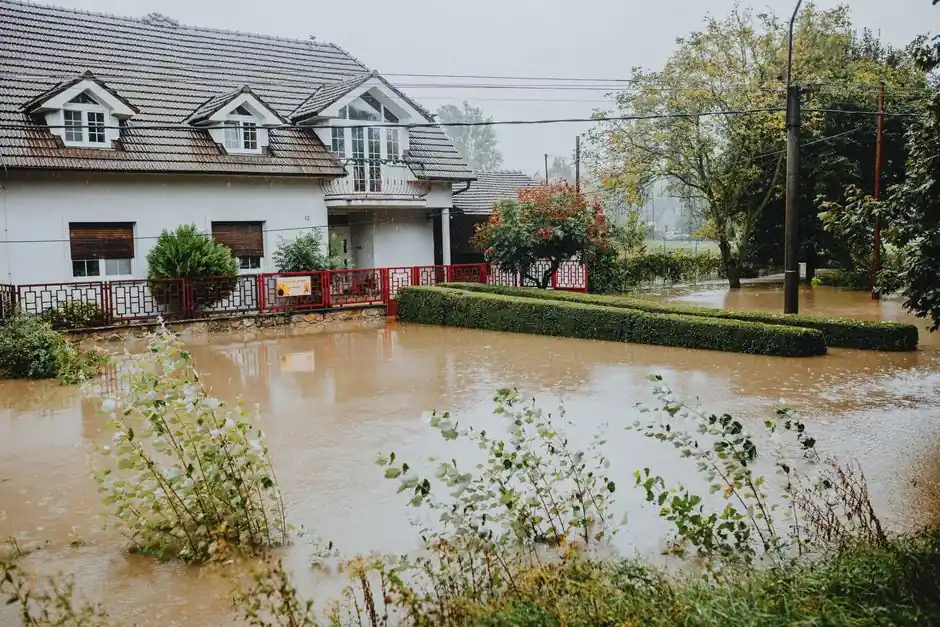
Valley runoff during intense rainfall can overwhelm a basement entry, window well, or drainage route. We remove standing water and assess where it entered so the drying setup addresses the full affected area. Across Chambersburg, we also check whether water is continuing to collect before placing equipment or moving contents.

View Details
Groundwater Seepage Cleanup

Groundwater Seepage Cleanup

Water that seeps through a floor joint or foundation wall can return after pumping if the source remains active. We extract the accumulated water, map damp areas, and look for patterns consistent with hydrostatic pressure or drainage concerns. Our findings help you distinguish urgent cleanup from longer-term waterproofing work.

View Details
Burst Pipe and Plumbing Leak Cleanup

Burst Pipe and Plumbing Leak Cleanup

A burst pipe can soak a basement ceiling, wall cavity, and floor before the leak is noticed. We remove the water, check adjacent materials, and dry affected surfaces after the plumbing source is stopped. In winter, a cold utility area or exposed pipe deserves prompt attention before a small leak becomes a room-wide loss.

View Details
Appliance Leak Cleanup

Appliance Leak Cleanup

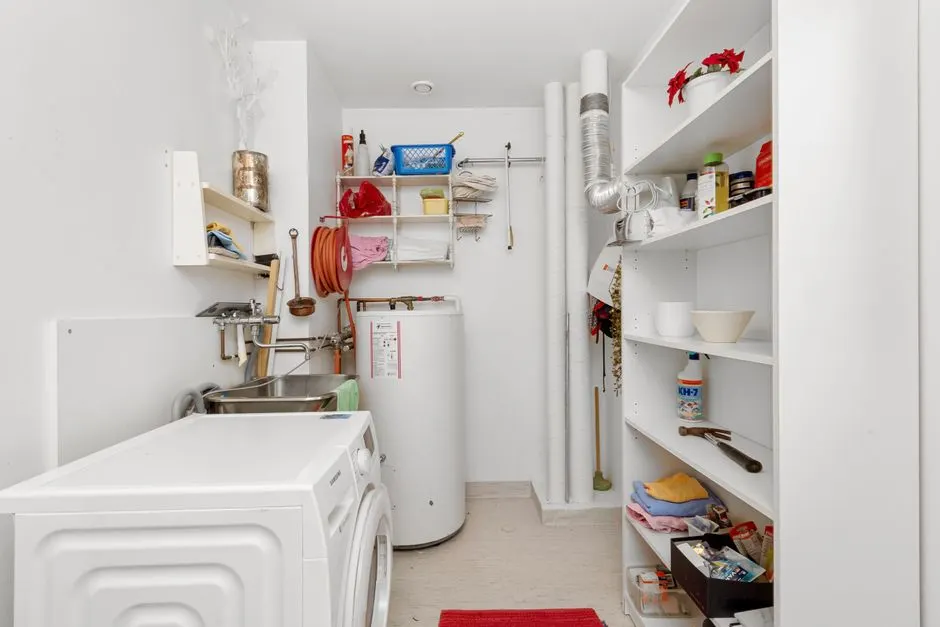
Water from a washer, water heater, or other basement appliance can travel beneath stored items and finished flooring. We extract the water, move affected contents as needed, and inspect the surrounding floor and wall base. Chambersburg customers get a cleanup plan based on the actual wet area rather than the visible puddle alone.

View Details
Basement Water Removal in Chambersburg
Service · #1

Basement Water Removal in Chambersburg


Basement Water Removal in Chambersburg helps protect homes when rain, plumbing failures, or rising groundwater leave water across the lower level. Our crews serve downtown, Southgate, and homes near Memorial Park, including older properties with stone or block foundations and newer finished basements. We assess the water source, remove standing water, and begin drying promptly, adapting equipment and access plans to each property and the region's wet, freeze-thaw seasons.

Assessing Water And Foundation

We inspect the basement, identify visible entry points, and note flooring, stored belongings, and wall materials before selecting equipment. For basement water removal in Chambersburg, Pennsylvania, local experience matters: older homes around downtown may have uneven stone foundations, while subdivisions near Wayne Avenue often have finished lower levels. We explain the work sequence and identify safety concerns before extraction begins.

Removing Standing Basement Water

Truck-mounted and portable pumps handle water levels according to room access, depth, and debris. In homes near Letterkenny Township, narrow stairs or utility rooms can affect equipment placement, so technicians choose practical routes that protect remaining surfaces. After bulk removal, wet vacuums collect residual water from corners and floor joints, reducing moisture left behind for the drying phase.

Drying And Moisture Checks

Air movers and dehumidifiers support drying of exposed floors, framing, and lower wall areas. We monitor moisture rather than relying only on surface appearance, especially after winter thaws or heavy summer rainfall in Franklin County. Once conditions stabilize, we review affected areas with the homeowner and document remaining concerns that may need repair or additional drying attention.

  • Standing-water assessment with documented affected-room measurements
  • Pump and wet-vac extraction suited to basement access
  • Air movers and dehumidifiers positioned for controlled drying
  • Moisture readings recorded at floors and lower walls

Basement Flood Cleanup in Chambersburg


Basement flood cleanup in Chambersburg addresses the mess and moisture left after storm runoff, drain overflow, or a failed appliance. We work throughout Falling Spring, downtown, and neighborhoods along Lincoln Way, where basement layouts range from older utility spaces to finished family rooms. Cleanup includes removing water-damaged debris, cleaning affected surfaces, and setting drying equipment, with methods tailored to the flood source and materials involved.

  1. 01

    Sorting Flood-Affected Materials

    Our technicians separate salvageable belongings from porous items that cannot be reliably cleaned, then stage contents away from wet areas. For flooded basement cleanup in Chambersburg, the source and duration of water exposure guide handling decisions. In older homes near the town square, we take care around stored items, exposed masonry, and aging finishes while keeping walkways clear for safe removal.

  2. 02

    Cleaning Floors And Surfaces

    After water removal, crews clean accessible hard surfaces and address residue left by muddy runoff or a backed-up drain. Homes near Falling Spring Creek can see sediment carried into lower levels after intense rain, so we inspect floor edges, stairwells, and utility spaces. Appropriate cleaning products and methods are selected for the surface, with careful attention to avoid spreading contamination.

  3. 03

    Managing Odor And Dampness

    Damp materials can hold odors after a flood, particularly in enclosed basements with limited ventilation. We combine targeted cleaning with measured drying, positioning equipment to move air through affected rooms without disturbing debris. Property owners receive practical guidance about keeping the area clear and reporting new moisture, helping the cleanup stay focused as conditions change.

  • Flood debris sorted for salvage, disposal, or further review
  • Mud and residue removed from accessible basement hard surfaces
  • Affected contents moved to a designated dry staging area
  • Odor concerns noted during cleaning and drying setup
Basement Flood Cleanup in Chambersburg

02 / 10

Service

5+ YEARS · CHAMBERSBURG

Emergency Basement Water Extraction in Chambersburg

Emergency Basement Water Extraction in Chambersburg limits ongoing exposure when a sudden leak or flood fills a lower level. Crews respond across Southgate, the downtown grid, and neighborhoods near Chambersburg Area Senior High School, bringing pumps and extraction equipment suited to residential access. We first consider electrical and structural hazards, then remove standing water and plan next steps based on the source, depth, and affected materials.

Rapid Site Safety Review

Before pumping, technicians look for electrical hazards, unstable materials, and contaminated water that may require special handling. Emergency basement water removal in Chambersburg, Pennsylvania, begins with practical safety decisions, not simply switching on a pump. In older downtown properties, crowded utility areas and low ceilings can affect entry, so the crew establishes a safe route and explains any access limits.

Fast Water Extraction Setup

The team selects pumps, extraction tools, and hose routes based on water depth and the home's layout. In Southgate basements, finished rooms and storage areas may need separate treatment to keep equipment working efficiently. Technicians remove bulk water first, then use portable extractors along floor edges and around obstacles where a larger pump cannot reach.

Clear Updates During Response

A sudden basement flood can disrupt household routines, so we keep the owner informed as extraction progresses. We explain what has been removed, which areas remain wet, and whether additional drying or source repairs are needed. Where conditions permit, equipment is set before departure, and the homeowner receives straightforward instructions for limiting access to wet or unsafe areas.

  • Initial hazard review covering electrical and access conditions
  • Pump selection matched to water depth and room layout
  • Standing water extracted from open areas and floor edges
  • Homeowner receives progress updates and immediate next steps
Basement Flood Damage Restoration in Chambersburg

Basement Flood Damage Restoration in Chambersburg


Basement flood damage restoration in Chambersburg moves beyond pumping water to address affected building materials and prepare the space for repairs. We help homeowners in the historic district, along Wayne Avenue, and around Scotland Avenue assess damp drywall, flooring, trim, and framing. The work begins with documented conditions and moisture checks, then coordinates cleaning, controlled drying, and repair planning for the particular flood and property.

Photographic notes of visible flood damage and affected materials

Promise

“We record visible damage and take moisture readings in accessible building materials before restoration decisions are made. A professional basement water removal company serving Chambersburg can help clarify which are…”

— Chambersburg customer
Documenting Damage And Moisture +

We record visible damage and take moisture readings in accessible building materials before restoration decisions are made. A professional basement water removal company serving Chambersburg can help clarify which areas need drying, cleaning, or repair rather than relying on appearance alone. This is especially useful in older downtown buildings where plaster, masonry, and remodeled sections may respond differently to water.

Drying Building Materials Properly +

Drying equipment is placed to support airflow across exposed surfaces and reduce lingering moisture in affected rooms. In homes near Scotland Avenue, finished basements may include carpet, paneling, or built-in storage that requires separate assessment. Technicians check progress over time and adjust equipment as needed, helping avoid premature closure of walls or replacement work before materials are ready.

Preparing For Repair Work +

Once cleanup and drying are underway, we identify materials that appear damaged and communicate findings for repair planning. The sequence depends on the water source, the extent of exposure, and the home's construction. Owners receive a practical summary of completed work and open items, helping them coordinate subsequent repairs without confusing restoration tasks with unrelated remodeling.

  • Photographic notes of visible flood damage and affected materials
  • Moisture checks for accessible framing, walls, and flooring
  • Drying equipment adjusted according to measured conditions
  • Repair-readiness summary identifying outstanding restoration concerns
Sump Pump Failure Cleanup in Chambersburg
Service · #5

Sump Pump Failure Cleanup in Chambersburg


Sump pump failure cleanup in Chambersburg helps homeowners recover when a failed pump lets groundwater collect in the basement. During wet spells and spring thaws, properties near Falling Spring and low-lying streets around downtown may face added water pressure. We remove accumulated water, inspect the sump pit and nearby areas, and start drying, while noting whether a power outage, clogged discharge, or equipment fault may have contributed.

Checking The Sump Area

We inspect the pit, float, discharge line, and surrounding floor to understand where water gathered and whether the system is still operating. A basement dewatering company in Chambersburg can assess how the failure affected the room without guessing at the cause. In older homes near Memorial Park, technicians also watch for narrow pits and utility configurations that complicate safe access.

Extracting Collected Groundwater

Portable pumps and wet vacuums remove standing water from the sump zone and adjoining floor areas. Where groundwater has spread beneath stored items or across a finished room, extraction proceeds in manageable stages to protect access and avoid moving water into unaffected spaces. The crew checks low points near foundation walls, where seepage can continue after the pit is cleared.

Drying After Pump Failure

Once water is removed, drying equipment helps address damp floors, baseboards, and nearby contents. Franklin County's cold winters and rapid spring melt can make repeated groundwater issues more likely, so we document moisture and discuss visible system concerns with the homeowner. We do not treat cleanup as a substitute for pump repair; the system should be checked before the next storm.

  • Sump pit and discharge-area visual condition check
  • Water extraction from pit, floor edges, and adjoining rooms
  • Drying equipment installed near affected foundation areas
  • Observed pump concerns documented for qualified system repair

Sewer Backup Cleanup in Chambersburg


Sewer backup cleanup in Chambersburg requires careful containment because contaminated water can affect floors, belongings, and indoor air. We assist properties across downtown, Southgate, and older neighborhoods near Lincoln Way when drains or basement fixtures overflow. Crews identify affected zones, restrict access, remove contaminated materials as appropriate, and clean surfaces using methods suited to the conditions, while helping owners understand what needs attention next.

  1. 01

    Containing Affected Basement Areas

    Technicians establish boundaries around impacted rooms and avoid carrying contamination into clean areas. If water removal from a flooded basement in Chambersburg, Pennsylvania, involves a sewer source, protective procedures and material decisions differ from ordinary rainwater cleanup. Homes with shared laundry or utility spaces receive particular attention so residents can keep away from affected paths while cleanup is in progress.

  2. 02

    Removing Contaminated Water

    Extraction equipment is selected for the volume and condition of the backup, with disposal handled according to applicable requirements. In older downtown houses, floor drains and low plumbing fixtures may indicate where water entered, so crews inspect adjoining spaces rather than assuming the visible puddle marks the full boundary. Porous items exposed to sewage may require removal instead of surface cleaning.

  3. 03

    Cleaning And Treatment Steps

    After extraction and debris removal, affected hard surfaces are cleaned and treated using methods appropriate to the contamination. The team checks corners, floor transitions, and lower wall sections where residue can remain. Owners are advised to keep the area restricted until work and drying are complete, and to contact a licensed plumber or sewer professional about the underlying blockage.

  • Affected-zone boundaries established to protect cleaner household areas
  • Contaminated water extracted using suitable equipment and handling
  • Unsuitable porous materials identified for removal and disposal
  • Accessible impacted surfaces cleaned and treatment documented
Sewer Backup Cleanup in Chambersburg

06 / 10

Service

5+ YEARS · CHAMBERSBURG

Storm And Heavy Rain Flood Cleanup

Storm and heavy rain flood cleanup in Chambersburg responds to sudden runoff, overwhelmed drains, and water entering through basement openings. Homes near Falling Spring Creek, downtown streets, and slopes around Southgate can experience different flooding patterns during intense Pennsylvania rainfall. We remove water and debris, inspect the points of entry, and set drying equipment suited to the structure, helping residents regain a safer, more usable basement.

Tracing Stormwater Entry Points

Crews look for water trails at window wells, foundation joints, floor drains, and stairwell entrances before cleanup proceeds. Basement flood cleanup and drying in Chambersburg can be more effective when the likely entry route is documented alongside wet areas. Near Falling Spring Creek, runoff may carry sediment, while homes on higher ground may see water concentrated around poorly draining window wells.

Clearing Runoff And Debris

Technicians extract standing water and remove accessible mud, leaves, and other storm debris from affected basement zones. Equipment placement depends on the home's access and the volume of water, especially in older properties with narrow exterior steps. We inspect behind stored items where practical, since runoff can travel along foundation walls and collect in areas not visible from the room entrance.

Supporting Post-Storm Drying

After bulk cleanup, air movers and dehumidifiers support drying of exposed materials. The crew checks conditions in rooms affected by heavy rainfall and adjusts equipment to match moisture readings, rather than assuming one setup suits every home. Owners receive notes about remaining damp areas and visible exterior entry points that may need attention before the next storm system.

  • Stormwater entry points noted around wells, drains, and walls
  • Runoff water and accessible debris removed from basement
  • Drying equipment placed according to observed moisture conditions
  • Post-cleanup summary identifies visible drainage concerns for follow-up
Groundwater Seepage Cleanup in Chambersburg

Groundwater Seepage Cleanup in Chambersburg


Groundwater seepage cleanup in Chambersburg addresses recurring dampness and water that enters slowly through floors or foundation walls. We serve older homes near the downtown square and properties around Memorial Park, where stone, block, and poured-concrete foundations can show different seepage patterns. Technicians remove collected water, check moisture along affected areas, and begin drying, while recording observations that may help owners investigate drainage or foundation concerns.

Foundation seepage map noting visible stains and wet joints

Promise

“We inspect visible staining, damp joints, and water lines to map where seepage appears and how far moisture has traveled. Pennsylvania basement water removal near Chambersburg often involves seasonal groundwater chang…”

— Chambersburg customer
Finding Damp Foundation Zones +

We inspect visible staining, damp joints, and water lines to map where seepage appears and how far moisture has traveled. Pennsylvania basement water removal near Chambersburg often involves seasonal groundwater changes after prolonged rain or spring thaw. In older stone foundations downtown, irregular mortar joints may require a closer look than smooth poured-concrete walls in newer residential developments.

Removing Recurrent Floor Water +

Even a shallow layer can damage stored belongings and keep basement surfaces persistently damp. Crews use wet vacuums or portable pumps to collect water at wall edges, low spots, and around utility equipment. We note whether moisture appears to return during the visit, since active seepage may require drainage or foundation evaluation beyond the immediate cleanup work.

Monitoring Drying Conditions +

Dehumidification and directed airflow help manage moisture after visible water is removed. Technicians take readings at selected floor and wall locations and explain that drying time varies with foundation material, ventilation, and outdoor humidity. Owners receive observations about recurring wet spots and may use them when discussing grading, gutters, or other water-management improvements with a qualified contractor.

  • Foundation seepage map noting visible stains and wet joints
  • Shallow groundwater collected from basement floors and edges
  • Moisture readings taken at selected wall and floor locations
  • Recurring seepage observations provided for drainage follow-up
Burst Pipe and Plumbing Leak Cleanup in Chambersburg
Service · #9

Burst Pipe And Plumbing Leak Cleanup


Burst pipe and plumbing leak cleanup in Chambersburg helps limit damage after a supply line, drain, or fixture releases water into the basement. We assist homes throughout Southgate and along Wayne Avenue, including older properties with exposed pipes and finished lower levels. After the leak is isolated by the homeowner or plumber, crews extract water, assess affected materials, and set drying equipment based on the spread and duration.

Locating Water Impact Areas

We inspect the visible leak path and check nearby floors, baseboards, stored contents, and utility spaces for water migration. Emergency basement water removal Chambersburg is especially important during freezing weather, when a burst pipe can release water before occupants notice. In older homes near downtown, water may travel along joists or behind finished walls, so accessible adjoining rooms are included in the assessment.

Extracting Plumbing Leak Water

Technicians remove pooled water with extractors suited to the room and flooring, then address remaining moisture around cabinets and equipment. In basements near Southgate, laundry hookups and water heaters are common sources of leaks, and tight utility closets may limit access. We protect unaffected walkways where possible and keep the extraction process focused on documented wet areas.

Drying After Source Repair

Once the plumbing source is stopped, air movers and dehumidifiers help dry affected surfaces and materials. We monitor readings and explain which areas may require continued attention, particularly where water entered beneath flooring or behind trim. Homeowners should coordinate any pipe repair with a qualified plumber; cleanup equipment does not replace correction of the leak itself.

  • Water migration checked around visible leak and adjacent rooms
  • Standing water extracted from floors and utility-area surfaces
  • Drying equipment set after plumbing source has been isolated
  • Moisture observations shared for continued monitoring and repairs

Appliance Leak Cleanup in Chambersburg


Appliance leak cleanup in Chambersburg tackles water escaping from washing machines, water heaters, refrigerators, or basement utility equipment. Our crews serve homes near Memorial Park, the downtown area, and newer Southgate subdivisions, where appliance locations and floor finishes vary widely. We extract water, inspect nearby surfaces and stored contents, and begin drying after the leak is stopped, helping reduce the chance that hidden moisture remains beneath or beside the appliance.

  1. 01

    Checking Appliance Surroundings

    We inspect the appliance footprint, nearby walls, floor seams, and routes water may have followed into adjoining spaces. Affordable basement water extraction in Chambersburg, Pennsylvania, begins with defining the affected area so equipment and effort match the actual spread. In finished basements, technicians check carpet edges and trim; in utility rooms, they look around drains, shutoffs, and stored supplies.

  2. 02

    Extracting Water From Floors

    Wet vacuums and portable extractors collect water from accessible surfaces, including corners beneath hoses and along the appliance base. A washing machine leak in a basement near Wayne Avenue may spread across a level floor before it becomes obvious, while a water heater leak can collect in a low utility-room corner. We move contents as needed to reach affected areas.

  3. 03

    Drying Hidden Damp Areas

    Air movement and dehumidification support drying of the floor, lower walls, and nearby materials after extraction. Technicians check moisture around baseboards and accessible edges, since water can remain beneath stored items or flooring. The homeowner receives a summary of affected locations and is reminded to have the appliance or connection repaired before normal use resumes.

  • Appliance footprint and nearby surfaces checked for water spread
  • Water extracted from utility floors, corners, and accessible edges
  • Stored items shifted to expose affected flooring for inspection
  • Moisture findings recorded for appliance repair follow-up
Appliance Leak Cleanup in Chambersburg

10 / 10

Service

Residential Basement Water Removal

Residential Basement Water Removal in Chambersburg

A basement flood disrupts more than a storage room: it can take out laundry, a family room, a utility area, or the route to your electrical panel. Chambersburg homes range from older downtown buildings with masonry basements to houses with finished lower levels and sump pits. We remove water from the source area outward, protect belongings that can be moved, and check floor edges and lower walls for retained moisture. For basement water removal in Chambersburg, Pennsylvania, the practical goal is to leave you with a cleared floor and a drying plan based on readings, not guesswork. Tell us whether the water came from a storm, pipe, appliance, or backup so we can prepare for the right cleanup.

  • Finished basement water extraction — We extract water from finished rooms in Chambersburg, paying close attention to carpet edges, baseboards, and lower drywall. If water has travelled under flooring, we check the affected perimeter and explain whether drying in place is appropriate or materials need removal.
  • Sump pit flood cleanup — When a failed pump leaves water around a pit, we remove the pooled water and check nearby floor and wall materials. We also look at visible discharge conditions so you know what may need follow-up. We do not treat extraction as a substitute for a pump repair.
  • Pipe and appliance leak removal — A water heater, washing machine, or burst pipe can wet the floor and wall before you find the leak. In Chambersburg, we remove the standing water, move affected items where needed, and check adjacent surfaces to limit hidden moisture.
  • Post-storm basement drying — After stormwater enters, we extract the water and place drying equipment to move air across the affected floor and wall areas. We check readings during the process and explain which sections need continued drying so you can plan around the equipment in your home.

Commercial Basement Water Removal

Commercial Basement Water Removal in Chambersburg

A flooded basement can interrupt storage, mechanical service, inventory, or customer access for a Chambersburg business. Downtown buildings may have constrained loading access and older lower-level finishes, while institutional and commercial properties need work planned around staff and operating hours. We coordinate entry, equipment placement, and water removal with the person responsible for the property. A professional basement water removal company serving Chambersburg should separate immediate extraction from drying and any reconstruction decisions. Our crew identifies the water source, clears standing water, checks affected materials, and communicates what rooms or corridors need to stay open or restricted during the work.

Retail and officesRestaurants and food serviceEducational facilitiesProfessional buildingsProperty management

Common Basement Flood Problems Here

Chambersburg's Conococheague Creek watershed exposure, valley runoff during intense rainfall, and seasonal storms put pressure on drainage systems and basement entry points. Older downtown buildings may have masonry foundations and aging interior finishes, while newer homes can still face sump pump failure or appliance leaks. Pennsylvania basement water removal near Chambersburg often starts with a storm, but the source may be a pipe, sewer line, or seepage at a wall-floor joint. Finding the source matters because pumping alone will not stop water from returning.

Stormwater intrusion through low openings during concentrated rainfall

Intense rainfall sends runoff toward low points and basement openings. Window wells, exterior stairs, and door thresholds can admit water when drainage cannot move it away quickly enough. The amount entering depends on the property and local grading, so one block can experience different conditions from another.

Sump pump failure leaves water around the pit and across the floor

A power interruption, mechanical failure, blocked intake, or discharge problem can stop a sump system during wet weather. When the pit fills, water may reach stored items and finished areas before anyone notices. A pump can also run without moving enough water if its discharge is restricted.

Groundwater seepage appears at foundation joints after prolonged wet weather

Saturated ground and hydrostatic pressure can push moisture through vulnerable floor joints or foundation openings. The seepage may show as a thin stream, damp masonry, or repeated water after each storm. Older basement finishes can conceal the first signs until a larger area becomes wet.

Winter pipe leaks combine with snowmelt around basement walls

Cold conditions can leave plumbing vulnerable in unheated or exposed areas, while later snowmelt adds water around the building. A split pipe can release water indoors even as exterior ground remains wet. The two sources can make it difficult to identify the full affected area from the first puddle.

When To Call For Water Removal

Call for Basement Water Removal in Chambersburg when water is standing, spreading, or returning after you mop it up. A wet carpet edge, a running sump pump that cannot keep up, or a sewage odor points to more than a surface spill. If you need water removal from a flooded basement in Chambersburg, Pennsylvania, tell us whether the water is clean, muddy, or sewage-contaminated and whether it is still entering. Do not step into water near electrical equipment; shut off power only from a dry, safe location.

  • Water returns after you mop the floor

    Recurring water suggests an active leak, groundwater seepage, or a drainage issue rather than a one-time spill. Repeated mopping leaves moisture at floor joints and under belongings. Call while the water is accessible so we can locate the affected area and remove it before materials stay wet longer.

  • Sump pump runs nonstop or stops completely

    A pump that runs continuously may be unable to keep up, while a silent pump during rain may have lost power or failed. Water around the pit can spread quickly. Avoid reaching into the pit or handling wet electrical connections; report the pump status when you call.

  • Brown water or sewage odor reaches the basement

    Discolored water or a sewage smell can signal a backup that requires controlled cleanup. Keep children, pets, and stored food away from the area. Contaminated water can affect porous materials, so extraction and cleaning should address the whole affected zone, not only the visible pool.

  • Carpet edges lift or feel wet underfoot

    Water can travel below carpet and pad beyond the edge of a visible puddle. The pad may hold moisture against the floor and create a lingering odor. We check beneath affected edges and use readings to determine whether drying is possible or removal is needed.

  • A pipe or appliance leaves a spreading puddle

    A slow leak from a washer, water heater, or pipe can soak framing and drywall before the floor looks heavily flooded. Stop the source if it is safe, then note where the water first appeared. Prompt extraction limits how far moisture can migrate.

Chambersburg Landmarks Help Us Navigate

We use familiar civic and cultural landmarks as orientation points when confirming an address, not as claims about where water problems occur. Downtown street access can be tight, so clear directions to the property entrance help us plan where to unload pumps and route hoses. If you call from 17201 or 17202, share the street and a nearby landmark; we can then confirm the route and identify the most practical access point before arrival.

Chambers Fort Park

Chambers Fort Park is a recognizable local orientation point. Referencing it alongside your street name can help clarify which part of the city you are calling from and support straightforward route planning.

Franklin County Courthouse

The Franklin County Courthouse provides a clear civic reference in the downtown area. It can help callers describe their location relative to the central street grid when arranging an equipment arrival.

Capitol Theatre

Capitol Theatre is a downtown cultural landmark that helps distinguish nearby streets during directions. We use landmark references only for navigation and access planning, not as evidence of a property's water risk.

Coverage across Chambersburg & Franklin County

17201

Plus surrounding Franklin County neighborhoods, with same-day routing on most appointments.

Chambersburg Seasons And Basement Water

As November gives way to winter, frozen-pipe leaks and later snowmelt move to the front of the basement risk calendar. Chambersburg also sees spring runoff, summer downpours, and fall storms that can challenge pumps and drainage. For 24/7 flooded basement cleanup near Chambersburg, Pennsylvania, the first call should include whether water is rising, the approximate depth, and any electrical hazard. We adjust extraction and drying to the source and the indoor conditions, not to the season alone.

Spring

Thawing ground and repeated rain can keep soil wet and expose weak points around basement walls and entries. Water may appear gradually at a floor joint or arrive quickly through a low opening during a heavy storm. Sump systems work harder when inflow persists.

Tip: Test the sump pump before wet weather and keep the pit clear. If water returns after removal, note where it appears and how long it takes; that pattern helps us identify seepage versus a sudden leak.

Summer

Thunderstorms can deliver heavy rain over a short period, producing runoff that reaches basement doors or window wells. High indoor humidity can also slow drying after a leak, so visible water removal is only the first step in protecting affected materials.

Tip: Move valuables off the floor and keep basement drains accessible. After a storm, check the sump and low corners; call promptly if water is spreading or the pump cannot keep up.

Fall

Seasonal storms can combine with leaves or debris that restrict exterior drainage. Water that collects near the foundation may find a weak joint or basement opening. Appliance and plumbing leaks remain possible even when rainfall is not the cause.

Tip: Clear accessible drain paths and check the basement after strong rain. If you find a damp wall or recurring puddle, photograph the area and note whether the water is clear, muddy, or odorous.

Winter

Freezing temperatures can threaten plumbing in cold basement spaces, and a later thaw can send snowmelt toward foundation areas. A pipe leak may continue unnoticed behind stored items, while a power interruption can affect a sump pump.

Tip: Keep vulnerable plumbing areas accessible and know how to shut off the water safely. If a pipe bursts, avoid electrical hazards, stop the source if safe, and call for extraction before wet materials remain saturated.

Basement Water Removal in Chambersburg FAQs

Real answers from our team for the questions we hear most often before a job starts.

How much does basement water removal cost in Chambersburg, Pennsylvania?
A contained extraction often costs $300-$900, while larger cleanup and drying jobs commonly range from $900-$2,500. Typical 2026 pricing rises when water is contaminated, several rooms are wet, or drywall and insulation need removal. We assess water depth, source, access, and affected square footage, then explain the price before proceeding. Affordable basement water extraction in Chambersburg, Pennsylvania starts with removing water promptly and limiting how far damage spreads.
Who provides emergency basement water extraction in Chambersburg?
Pennsylvania Basement Water Removal Pros provides emergency basement water extraction in Chambersburg for active leaks, sump failures, stormwater, and backups. We ask about water depth, source, electrical risks, and entry access so we can prepare appropriate equipment. For a larger flood, pumps remove bulk water first; extraction tools and drying equipment address what remains. Call +18668968166 for emergency basement water removal Chambersburg service.
How quickly can a flooded basement in Chambersburg be pumped out?
A small room with shallow water may take 1-3 hours to pump and extract, while a larger flood can take 4-8 hours or longer. Water volume, debris, access, and whether inflow continues change the work time. Drying takes longer than pumping; air movers and dehumidifiers may run for 2-5 days, with moisture checks guiding the schedule.
Is 24/7 basement flood cleanup available in Chambersburg, Pennsylvania?
Yes, emergency calls are accepted 24/7 for basement floods in Chambersburg, Pennsylvania. We prioritize active water, unsafe electrical conditions, and contaminated backups, then plan extraction around the water source and property access. Call with your address, water depth, and whether the water is still rising. Our target is arrival within 60 minutes where routing and conditions allow.
What happens after basement water is removed in Chambersburg?
After extraction, we check wet floors and wall edges, remove unsalvageable material when needed, and set drying equipment based on moisture readings. Air movers and commercial dehumidifiers may run for several days; the affected materials and indoor conditions determine the schedule. We also explain whether the source points to a plumbing, sump, drainage, or waterproofing issue that needs separate attention.

Call For Basement Water Removal in Chambersburg

If water is covering your basement floor, call Pennsylvania Basement Water Removal Pros at +18668968166. We accept emergency calls 24/7 and target a 60-minute arrival where routing and conditions allow. Tell us your Chambersburg address, water source, and approximate depth; we will prepare for the extraction and explain the next step.

Call For Help Send a Message

Contact Our Referral Line

Call Pennsylvania Basement Water Removal Pros at +1 866-896-8166 to describe the flooding and request a connection with an independent local company. Our phone line accepts urgent requests around the clock. Have your municipality, water source, approximate depth, and any safety concerns ready; those details help us route your request across Pennsylvania.

Or call us right now at +18668968166 — we answer.

Pennsylvania Basement Water Removal Pros


  • Phone

    +18668968166
  • Address

    Pennsylvania

  • Hours

    Mon–Fri: 7AM – 7PM
    Sat: 8AM – 4PM
    Sun: Emergency Only
    24/7 Emergency Available

Call +18668968166 Get Quote
Call Quote