
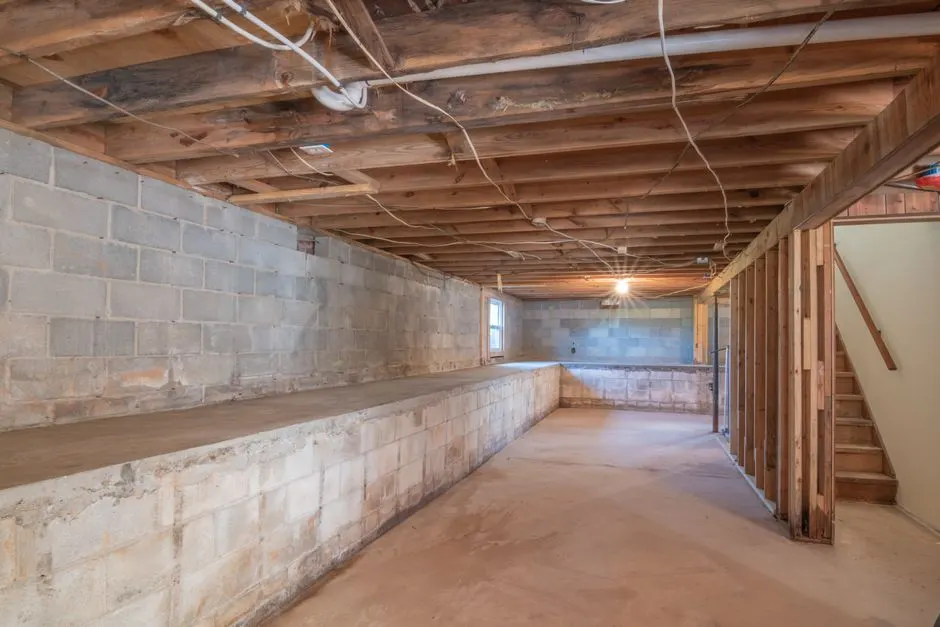
A basement sewer backup in Philadelphia usually starts when a clogged or damaged private sewer lateral cannot carry wastewater away, or when heavy rain overwhelms the connected sewer system and pushes water back toward the house. Tree roots, grease, wipes, broken pipe sections, and old combined sewer infrastructure all contribute. We'll explain how to recognize the cause, what to do immediately, and when professional sewage cleanup is needed.
Basement sewer backup causes in Philadelphia homes is a category of plumbing and drainage problems that sends wastewater back through a low-level drain when the sewer route is obstructed or overloaded. A drain that releases foul, discolored water needs a different response from clean groundwater seepage. Treat it as sewage until the source is confirmed.
What causes a basement sewer backup in Philadelphia homes?
Philadelphia basement sewage backups most often result from a blockage or failure in the home's building sewer lateral, a line that carries wastewater from the house to the public sewer. The first two places we look are the private lateral and the lowest fixtures, such as a basement floor drain or laundry tub.
Grease cools and sticks to pipe walls, while wipes, paper towels, and other non-flushable materials catch on rough joints. Over time, that buildup narrows the passage until ordinary toilet or laundry use can push water back into the basement. A single clog can affect several fixtures at once.
Philadelphia has many older properties with aging building laterals. Cast-iron and clay sections can crack, shift, corrode, or separate at joints; a damaged spot then catches debris and gives roots an entry point. The city's older housing stock makes sewage intrusion in older Philadelphia homes a practical concern, especially when plumbing symptoms recur after a drain has been cleared.
Tree roots in sewer lines Philadelphia homeowners encounter often enter through small joints or cracks, then grow into a mat that traps waste. Roots do not usually appear overnight, and clearing the immediate blockage alone will not repair a damaged pipe. A camera inspection can show whether the line has a root mass, a break, or a low spot holding wastewater.
We help homeowners trace the source and remove contaminated water through Basement Water Removal in Pennsylvania. A recurring backup deserves a plumbing diagnosis as well as cleanup; otherwise, the same line can send sewage back into the room after the next heavy use or storm.
Why does sewage come up through my basement drain?
Sewage comes up through a Philadelphia basement drain when wastewater cannot move downstream and pressure sends it back through the lowest open connection. A floor drain is often lower than the first-floor sinks and toilets, so it becomes the visible exit point.
If only one sink or toilet is slow, the obstruction may be in that fixture's branch. If several fixtures gurgle, drain slowly, or back up together, the problem is more likely farther along the building drain or sewer lateral. You may also hear bubbling from a toilet after a washing machine empties.
That pattern is why "basement drain backing up with sewage" should not be treated as a simple floor-drain clog. Stop running water, flushing toilets, and operating the washer or dishwasher; each adds more wastewater to a line that is already struggling. If water continues rising, keep people and pets away from the affected area.
In rowhouses, neighboring plumbing and shared drainage conditions can make a blockage harder to pinpoint from symptoms alone. Our team handles contaminated water through Sewer Backup Cleanup in Pennsylvania, while the cause of the obstruction needs to be identified so it does not return.
How Philadelphia rain and sewer surcharges affect basements
Heavy rain can cause a Philadelphia basement sewer backup when stormwater enters a combined sewer system faster than pipes can carry it, raising water levels and creating surcharge pressure. A surcharge means the sewer is temporarily carrying more water than its available capacity.
Parts of Philadelphia use combined sewers that carry stormwater and wastewater in the same system. During intense rainfall, extra runoff can load the network. A home connected to a stressed line may experience water pushing toward the building lateral, especially if the house has a low basement fixture and no effective backwater protection.
Rain can also expose an existing private-line defect. A cracked lateral, root intrusion, or sagging pipe may still carry normal household flow, then fail when system levels rise. That is why municipal sewer surcharge and home backups can happen during the same storm without the rain being the only underlying cause.
In November, falling leaves and wet weather can add strain to outdoor drains and expose a slow sewer line before winter. Keep leaves out of area drains, and note whether a backup follows intense rain or happens during dry weather too. Rain-linked events point toward surcharge or infiltration; repeated dry-weather backups point more strongly toward a private blockage or damaged lateral.
When rainwater also enters through a basement window or wall, the cleanup differs from a sewer release. Philadelphia homeowners dealing with storm-related basement water can get local help through Basement Water Removal in Philadelphia.
Signs a clogged sewer line is causing basement flooding
A clogged sewer line is more likely to be causing basement flooding when multiple fixtures drain slowly, toilets gurgle, and foul water appears at the lowest drain. The combination is more useful than any one symptom on its own.
Watch for sewage that is gray or brown, carries visible solids, or has a strong waste odor. These signs suggest contaminated water rather than ordinary rain seepage. A clean-looking puddle is not proof of safety, however; contamination is not always obvious by sight.
- Two or more fixtures slow down or back up around the same time.
- A basement floor drain bubbles, gurgles, or releases water after an upstairs fixture is used.
- The problem returns days or weeks after a temporary drain clearing.
- The backup coincides with heavy rain or follows a pattern of sewer odors and slow drains.
A drain camera inspection can identify roots, offsets, cracks, and deposits without guessing based on the water at the floor. A plumber may also test the line and locate the blockage. Share the timing, affected fixtures, and any rain connection; those details help narrow the cause quickly.
Common mistakes after a sewage backup
After a Philadelphia sewage backup, the most costly mistakes are continuing to use plumbing, entering contaminated water without protection, and treating sewage like a clean-water spill. Stop the flow first, then keep the area isolated until cleanup can begin.
Do not pour chemical drain cleaner into a backed-up line. It will not remove a deep root mass or repair a broken lateral, and caustic liquid can create a hazard for anyone who later opens or works on the pipe. Avoid repeated plunging if several fixtures are affected; it can push contaminated water into another fixture.
Do not run a household fan or vacuum over sewage. Ordinary shop vacuums and wet-dry vacs are not a substitute for contaminated-water extraction and can spread droplets or residue. Do not mix bleach with ammonia or other cleaners; dangerous fumes can result.
Take photographs from a safe distance if you need a record, but do not handle soaked belongings before the source is controlled. Porous materials such as carpet padding, cardboard, and some upholstered items can hold contamination. A professional cleanup crew can remove affected water and materials, clean hard surfaces, and dry the structure.
When to call a professional for basement sewage removal
Call a sewage cleanup professional in Philadelphia as soon as wastewater reaches the basement, particularly if it covers more than a small, contained spot or keeps rising. Sewage contains biological contaminants, and safe removal requires protective equipment, controlled extraction, cleaning, and drying.
Do not enter standing water if it may contact electrical outlets, appliances, or wiring. If you can safely reach the breaker without crossing wet areas, shut off power to the affected space; otherwise, stay out and contact an electrician or emergency service for help. Keep children and pets away.
Our team removes contaminated water, separates affected contents, cleans surfaces, and uses drying equipment to limit lingering moisture. We coordinate the cleanup around the source: a plumber or sewer utility may need to clear or repair the line so wastewater does not return. We provide upfront pricing before work begins.
When you need a Philadelphia sewer backup cleanup after a blocked lateral, Pennsylvania Basement Water Removal Pros can help make the basement safe to use again. Tell us which drains backed up, whether rain was falling, and how high the water reached; that history helps us plan the cleanup and identify what needs follow-up.
Frequently Asked Questions
What causes a basement sewer backup in Philadelphia homes?
Most backups come from a blocked or damaged private sewer lateral, tree roots, grease, wipes, or a sewer surcharge during heavy rain. If multiple fixtures back up together, stop using water and treat the basement water as sewage until the source is checked.
Can heavy rain cause a sewer backup in Philadelphia?
Yes. During intense rainfall, combined sewer levels can rise and push water toward a home's low drains. A surcharge is more likely to expose an existing weakness, such as a cracked lateral or root-filled joint, so recurring rain-linked backups warrant a line inspection.
How can I tell if a basement backup is sewage?
Foul odor, gray or brown water, visible waste, and simultaneous slow drains or gurgling toilets are strong warning signs. Do not rely on appearance alone: keep people and pets away, stop using plumbing, and have the water assessed before cleanup.
Who cleans up a sewage backup in a Philadelphia basement?
A trained sewage cleanup or water-removal team handles contaminated water extraction, cleaning, and drying; a plumber diagnoses and clears or repairs the sewer line. Both may be needed. Call promptly, especially if sewage covers a large area, reaches stored belongings, or continues rising.
When should I call for basement sewage removal in Philadelphia?
Call as soon as sewage enters the basement, and stay out if the water could reach electrical equipment. A cleanup team can remove contaminated water and clean affected surfaces; a plumber can address the blockage or damaged lateral that caused the backup.
Get help with Basement Water Removal in Philadelphia
We remove sewage-contaminated water and clean affected basement areas so you can focus on getting the sewer problem fixed. Call Pennsylvania Basement Water Removal Pros at +1 (866) 896-8166 for help.